

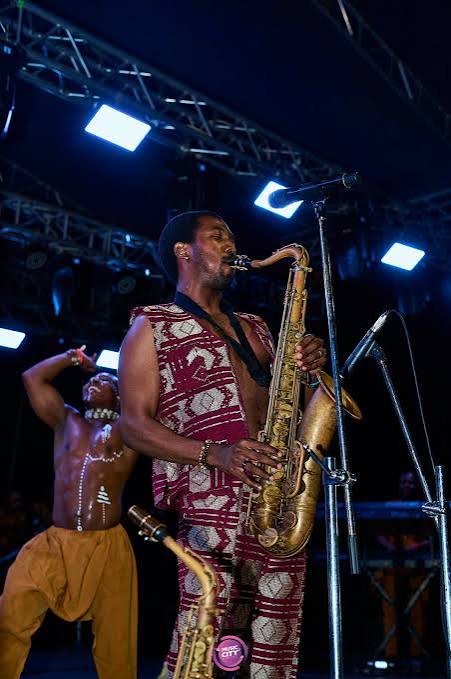
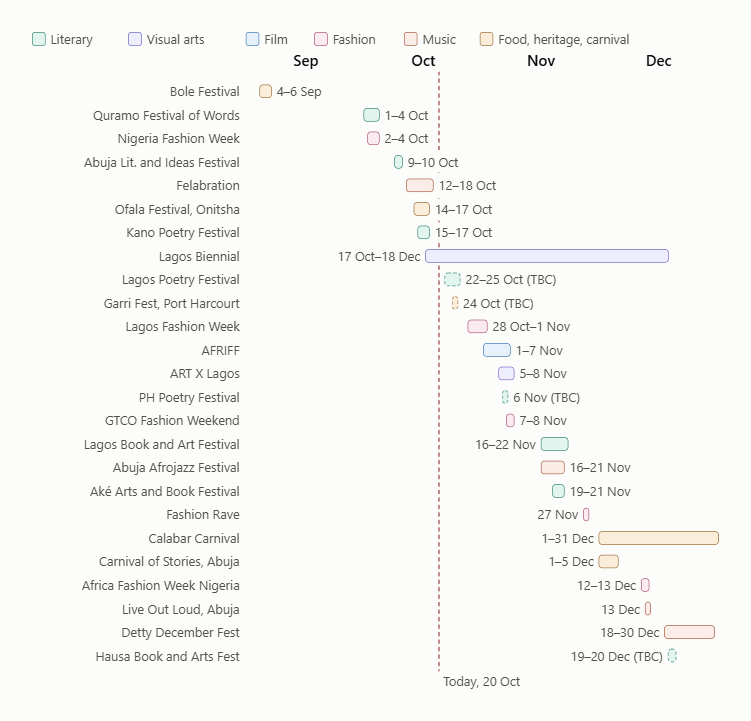
Brave Nigerians, the online platform covering Nigerian culture and lifestyle, politics, economy, and resilient Nigerians across all walks of life, has launched a Creative Economy and Festival Calendar aimed at helping Nigerians at home and in the diaspora track the country’s cultural events.
The calendar lists festivals by location, date and duration, and is designed to serve as a planning tool for travellers, event organisers and the wider hospitality industry. Access is free, and organisers can submit their events directly, subject to the proprietary rights of Brave Nigerians and its parent company, Fairchild & Brave LTD.
The launch comes as Nigeria’s festival season enters its busiest period. Festivals traditionally run from October to December, dovetailing into the Christmas holidays, when Nigerians abroad return home, and families spend money and time together. The calendar is intended to make that season easier to navigate, whether a reader is in Lagos looking for a weekend event or in London planning a trip around a specific festival.
A Tool for the Diaspora
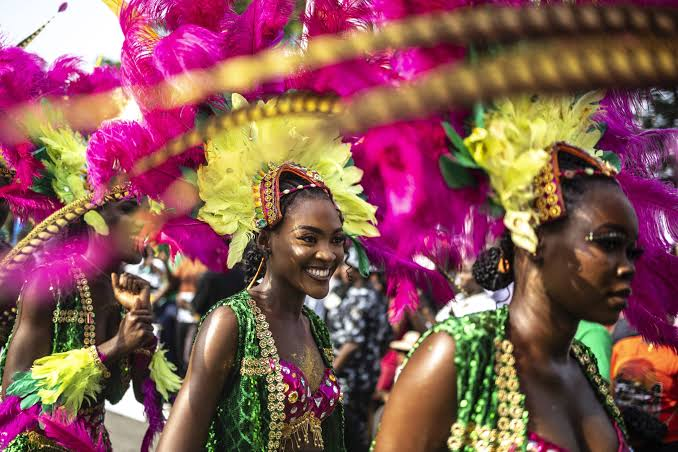
For Nigerians in the diaspora, the calendar addresses a longstanding gap. Festival dates are often announced late, scattered across social media platforms or buried in press releases. A traveller planning a December visit to Nigeria has had few reliable ways to know which festivals will be running, where they will be held, and how long they will last. The new calendar consolidates that information in one place.
The platform’s decision to include duration as a key detail is significant. Many Nigerian festivals are not single-day events. They run for a week or more, and the length of a festival often determines whether it is worth travelling for. A diaspora Nigerian considering a trip home can now look at the calendar and see whether a festival in Abeokuta or Calabar coincides with their planned travel dates.
An Ecosystem, Not Just a List
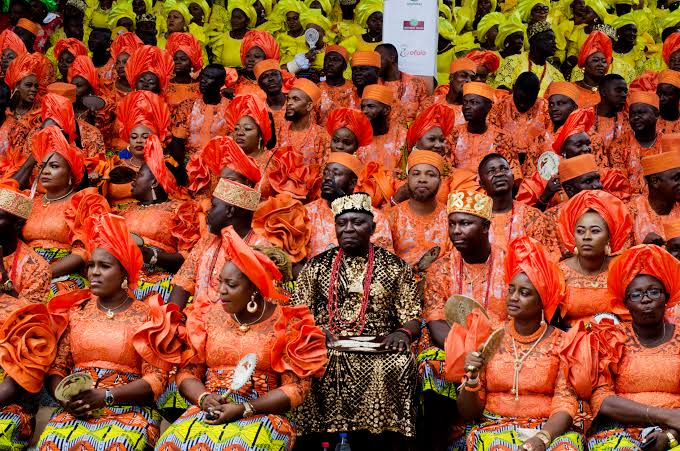
The festival calendar is being framed not merely as an information service but as an economic intervention. Festivals generate activity across an entire ecosystem. Parks and open spaces host events. Restaurants and bars serve the crowds. Hotels fill up. Transport operators benefit. Fast-moving consumer goods companies, from beverage makers to snack producers, find captive audiences.
For the hospitality sector, the October to December window is the most important period of the year. The Christmas season brings a surge in demand that can sustain businesses through the quieter months. A calendar that helps visitors plan their trips around festivals also helps businesses anticipate demand. A restaurant in Uyo knows which week to staff up. A hotel in Calabar knows when to raise its rates. A crafts vendor in Abuja knows when to stock up.
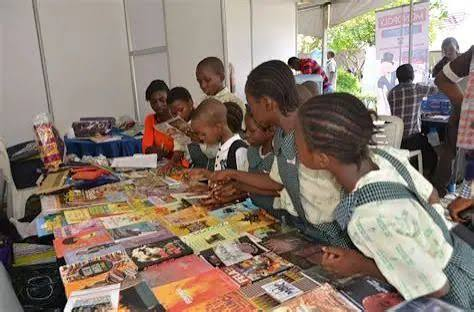
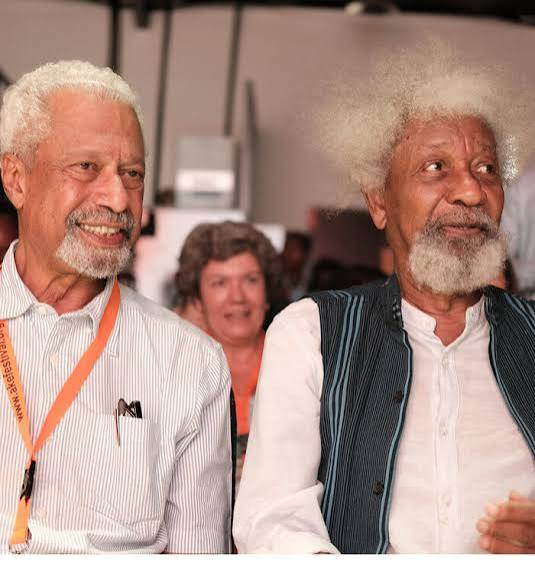
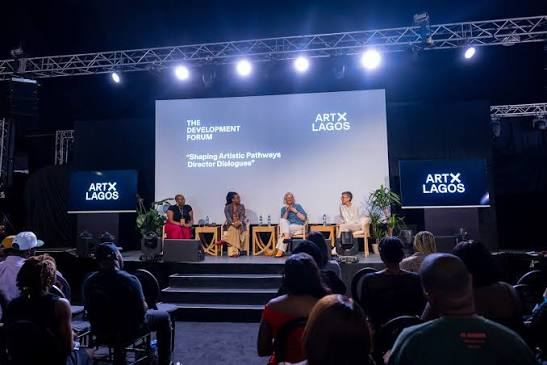
The creative economy angle is equally important. Nigeria’s creative sector, from music to film to fashion, is one of the country’s most visible exports. But the festival economy, which includes poetry readings, art exhibitions, theatre productions and cultural carnivals, has lacked the visibility and coordination that other sectors enjoy. A calendar that consolidates these events gives the sector a shared reference point.
Open Submission, Protected Rights
The platform has adopted a model that balances openness with protection. Organisers can input their events freely, without going through a gatekeeper or paying a fee. This lowers the barrier to entry and encourages smaller festivals, community events and grassroots cultural gatherings to be listed alongside the major carnivals.
At the same time, the calendar remains subject to the proprietary rights of Brave Nigerians and its parent company, Fairchild & Brave LTD. The content, structure and presentation of the calendar are protected, even as the listings themselves are open to submission. This approach allows the platform to maintain editorial standards and legal control over how its calendar is used, reproduced or commercialised, while still functioning as a public resource.
Access to the calendar is free. There is no subscription, no paywall and no premium tier. For a diaspora Nigerian planning a trip, or a local business owner mapping the season, the information is available without cost.
Built on ACET’s Foundation
The Creative Economy and Festival Calendar did not emerge from nowhere. It builds on ACET, an earlier festival calendar created by Pelu Awofeso, the CNN award-winning travel journalist, in 2025. ACET established the precedent of cataloguing Nigerian festivals in a structured way, and Brave Nigerians’ new calendar extends that work with content support from Awofeso’s original project.
Awofeso’s credentials in Nigerian travel journalism are well established. His work has documented festivals across the country for years, and ACET represented an attempt to turn that scattered knowledge into a usable resource. The new calendar takes that foundation and adds the institutional support and digital infrastructure of a media platform.
The decision to credit and build on ACET rather than start from scratch is a recognition that cultural documentation is cumulative work. It also suggests a collaborative approach that may serve the calendar well as it grows.
What Comes Next
The success of the calendar will depend on whether it is kept up to date. Festival listings are only useful if they are accurate, and accuracy requires constant input from organisers, venues and local communities. The open submission model helps, but it also places a premium on moderation. A calendar that is comprehensive in October but stale by December will quickly lose the trust of its users.
The platform has not yet announced how it will verify submissions, how quickly listings will be published, or whether there will be editorial curation alongside user-generated entries. These operational details will determine whether the calendar becomes a permanent fixture of Nigeria’s cultural landscape or a one-season experiment.
For now, the launch is a welcome development. Nigeria’s festival economy has long operated on word of mouth and social media buzz. A structured, free and open calendar that serves both the diaspora traveller and the local business owner is a step towards treating the creative economy as what it is: an ecosystem that deserves planning, coordination and visibility. The fact that organisers can list their own events, while the platform retains its proprietary rights, suggests a model that may prove both practical and sustainable.









Leave a comment