

Poetic Brilliance Shines at CORA-NLNG Book Party
The Magic of Poetry in a Room Full of People
There is a particular magic that happens when poetry steps off the page and into a room full of people. The words, once confined to silent contemplation on paper, suddenly acquire breath, rhythm, and presence.
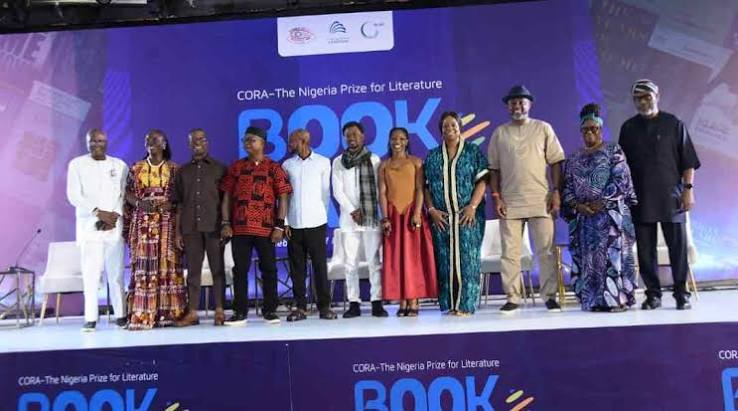
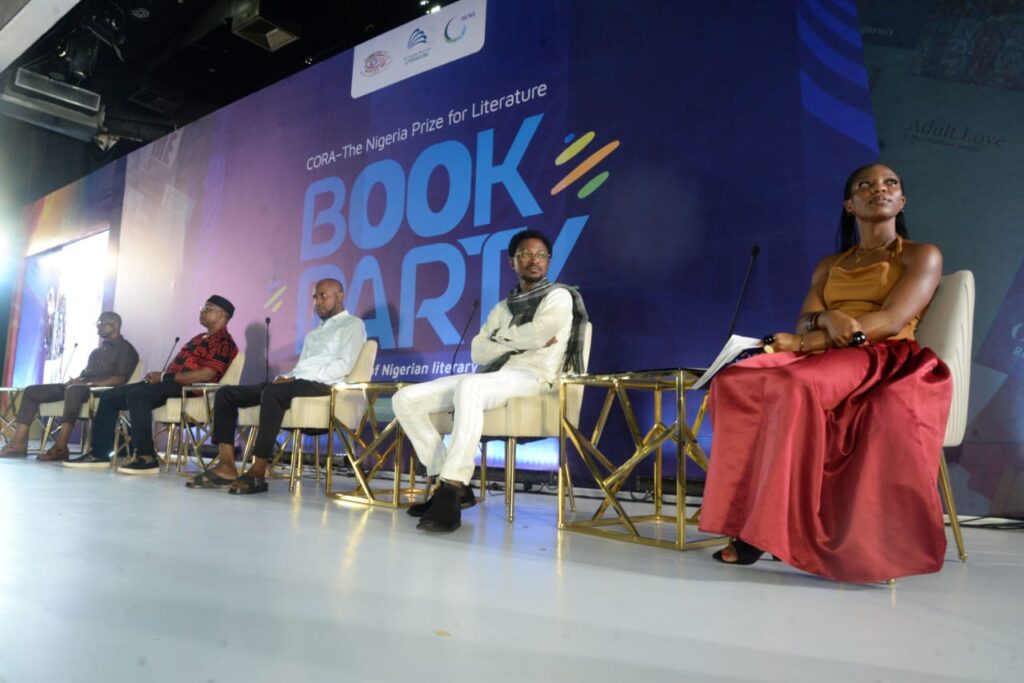
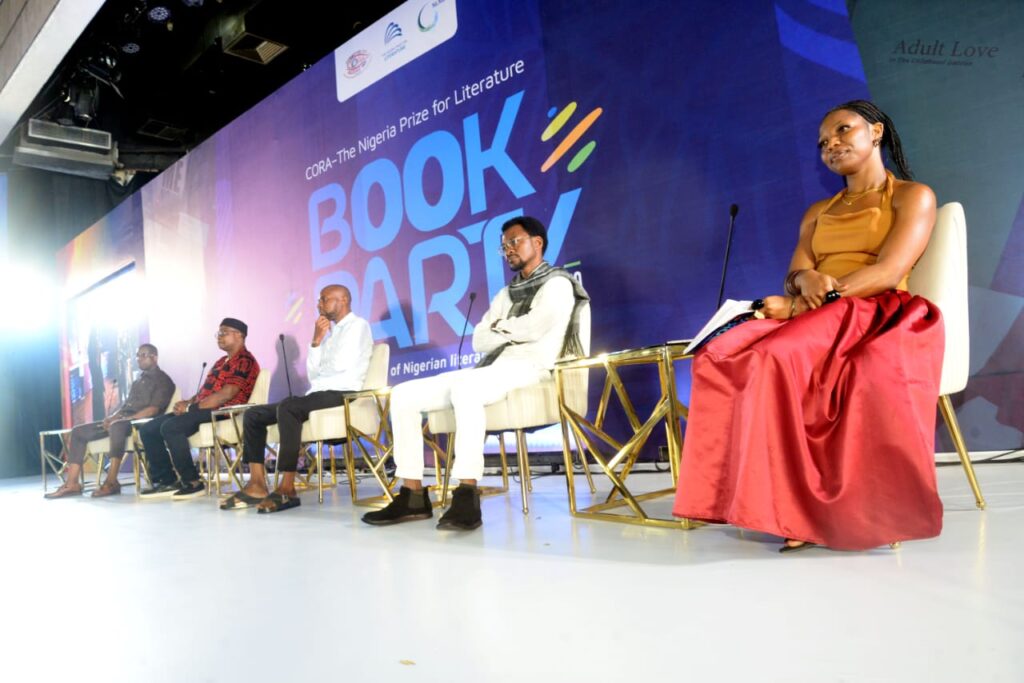
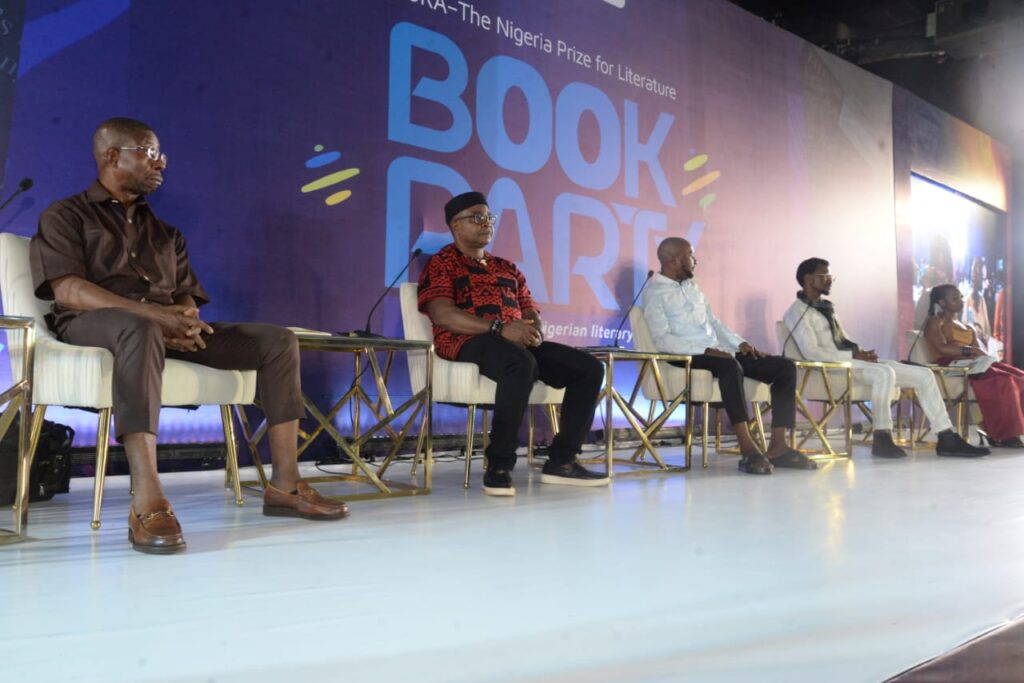
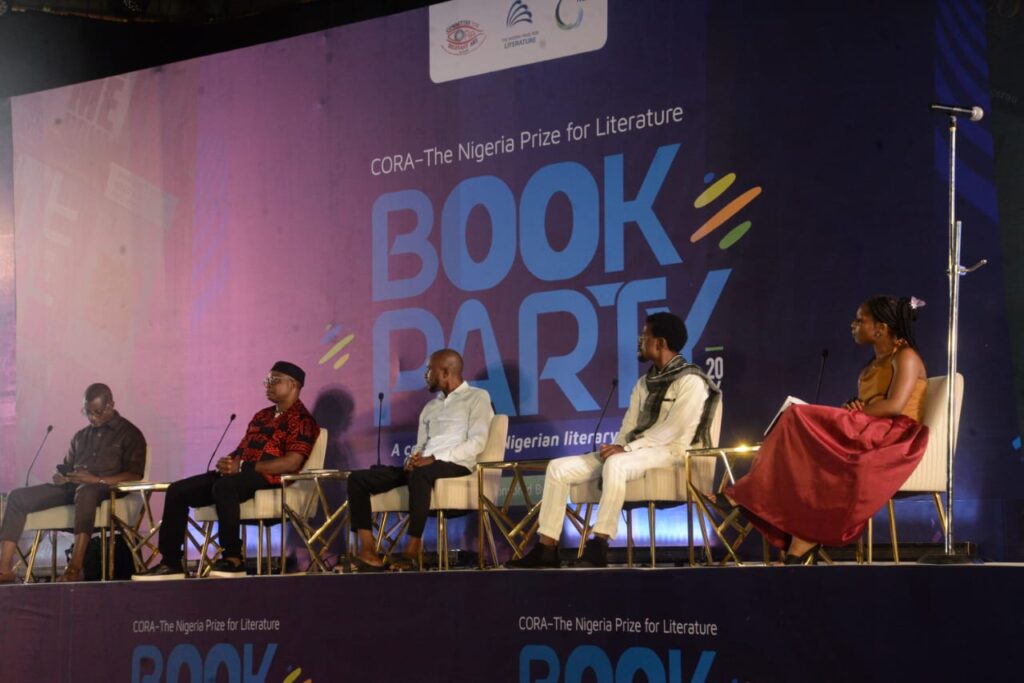
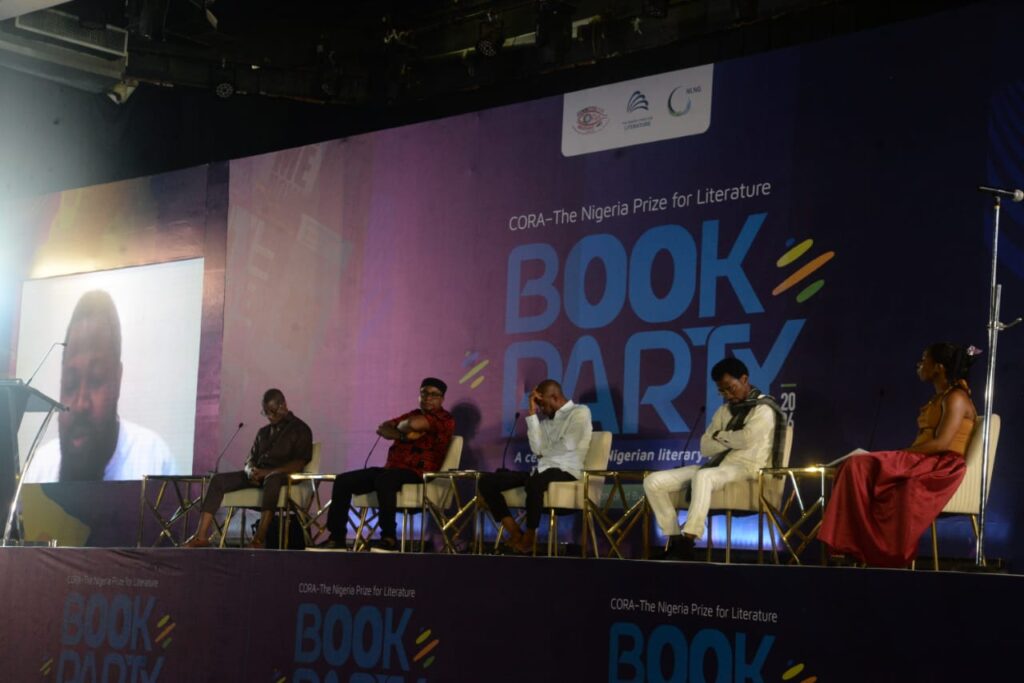
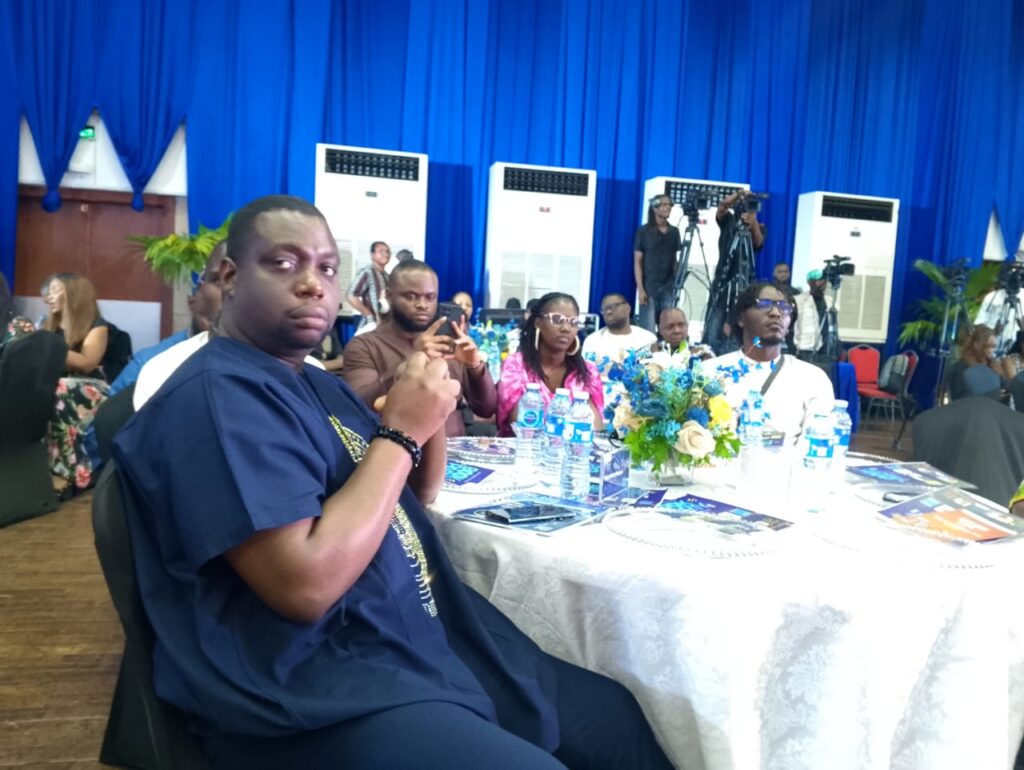
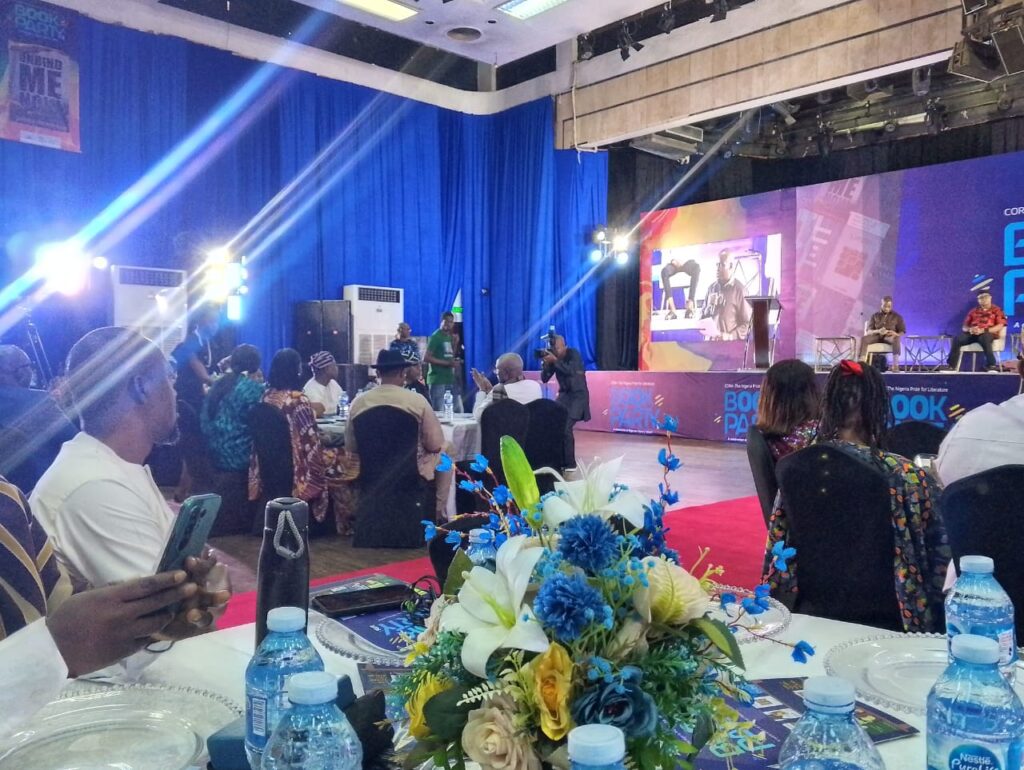
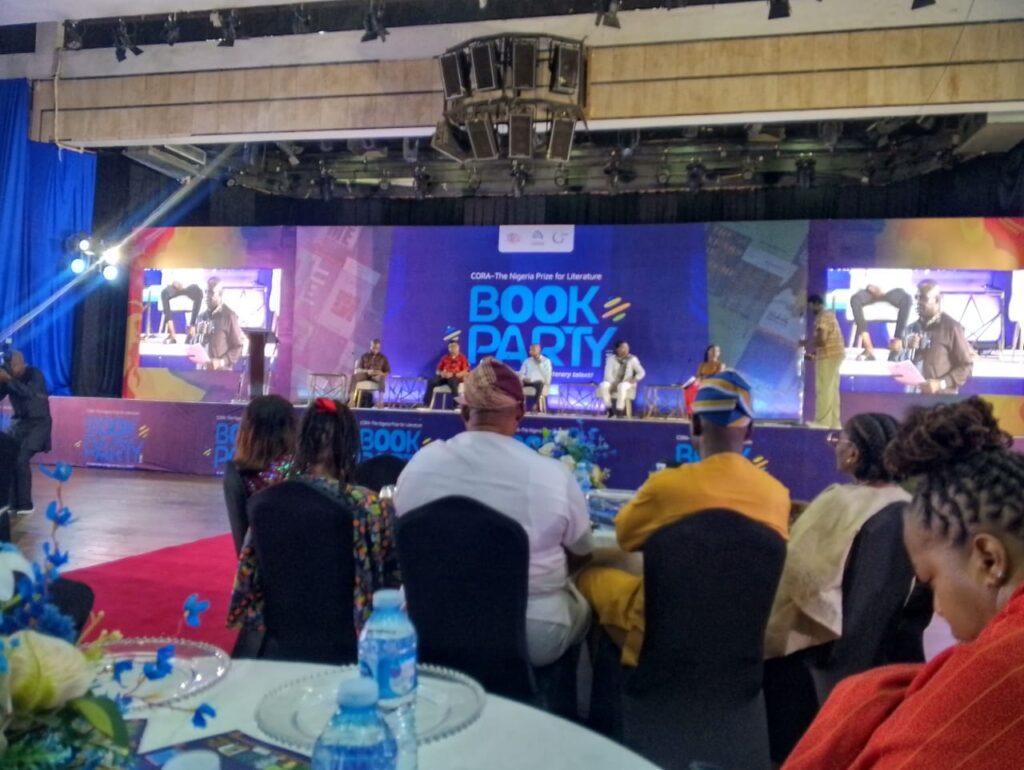
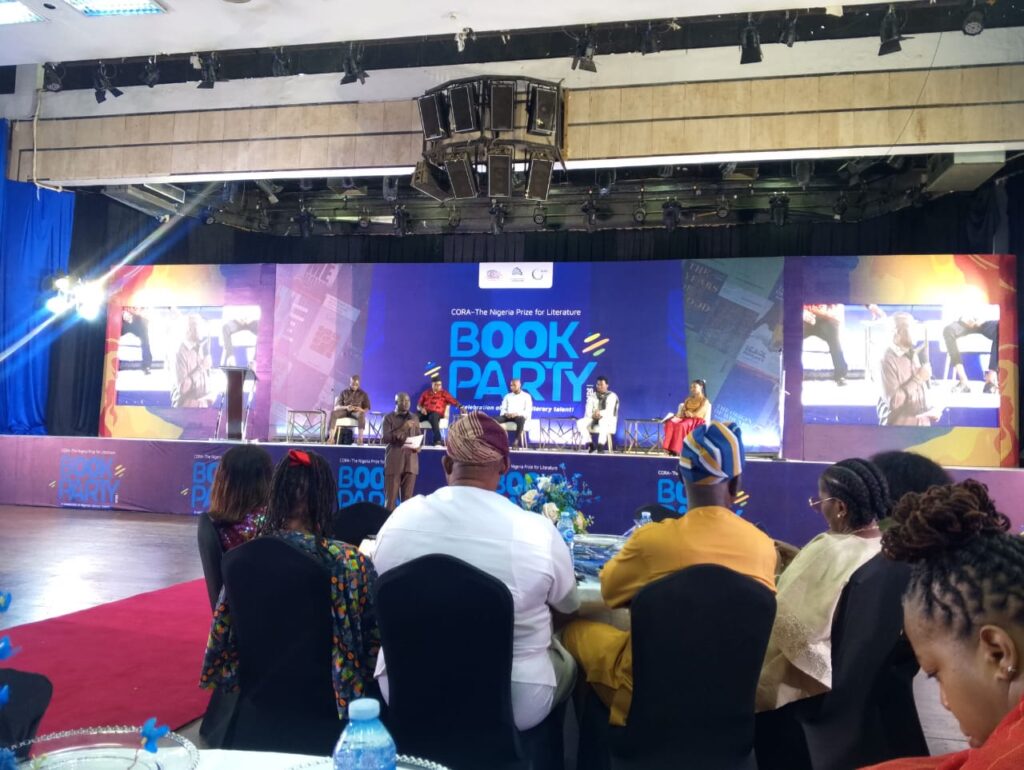
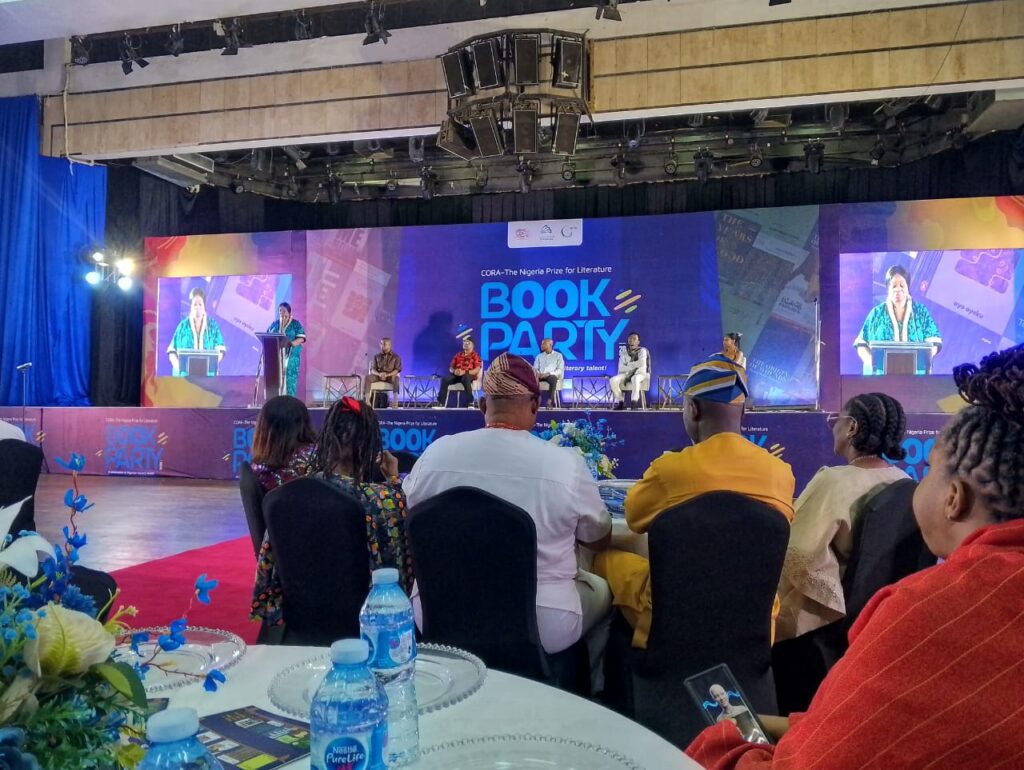
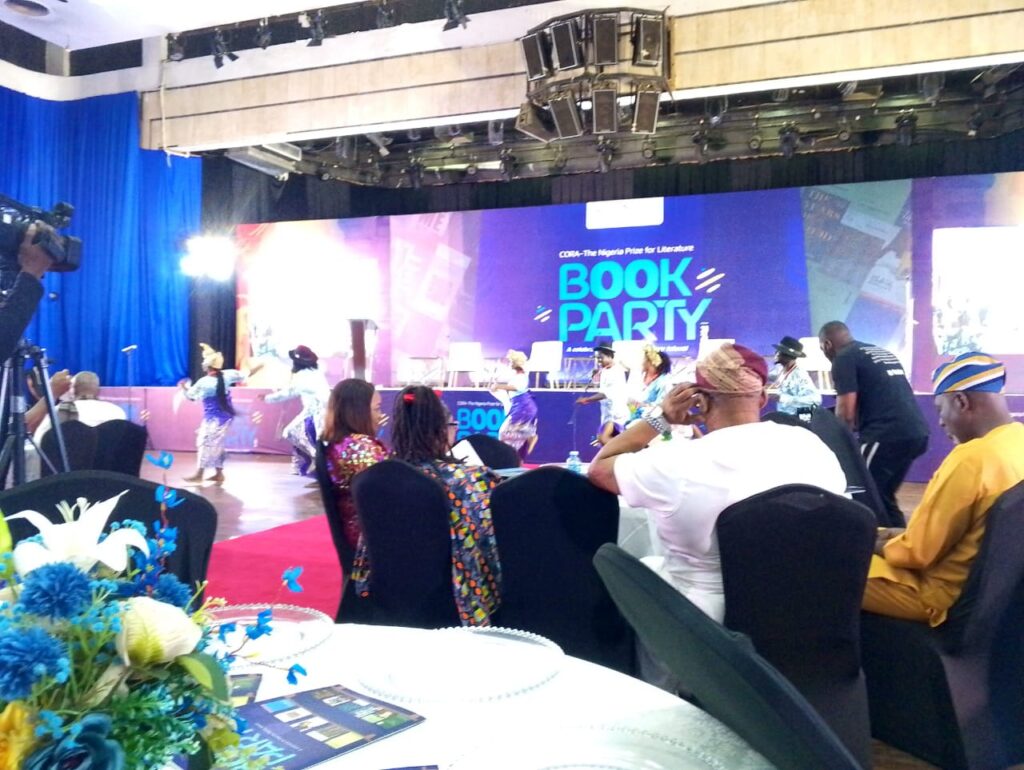
On Sunday, August 2, the Shell Zenith Hall of the MUSON Centre in Lagos became that room—a sacred space where the 2026 longlist for The Nigeria Prize for Literature was not just showcased, but their poems performed, engaged, and celebrated with an energy that only a live audience can generate.
The annual CORA-NLNG Book Party, now in its 17th iteration, once again proved itself an essential intervention in Nigeria’s literary calendar. Undoubtedly, this is a unique platform where the country’s finest poetic minds engage directly with the reading public long before the jury delivers its final verdict in October.
The event, which followed the announcement of the 2026 longlist, provided a public platform for the selected poets to engage with readers, critics, journalists, publishers, students, and other members of the literary community.
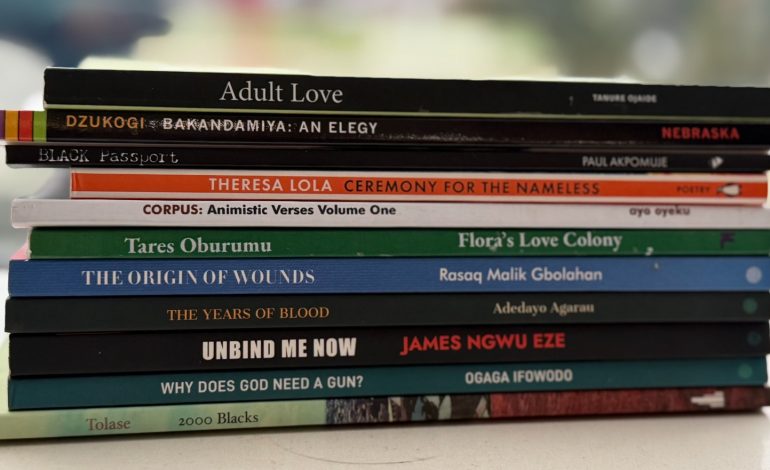
A Gathering of the Poet Lauretes
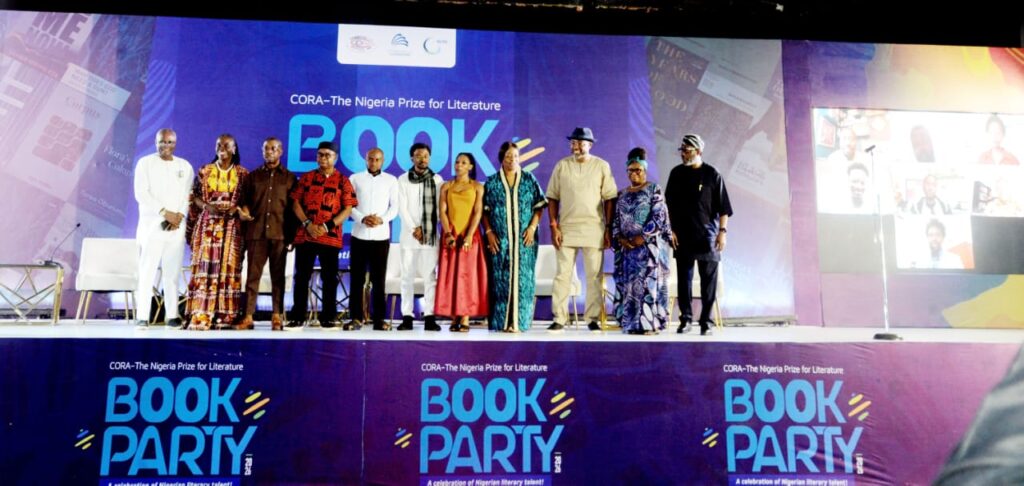
The 11 poets on this year’s longlist represent a formidable cross-section of Nigerian literary talent—from elder statesmen whose careers span decades to exciting new voices that promise to reshape the landscape of African poetry.
These works were selected by a panel of judges from 223 entries received following the call for entries announced in February, and the longlist marks a key stage in the adjudication process ahead of the shortlist and the possible announcement of the winner later in the year.
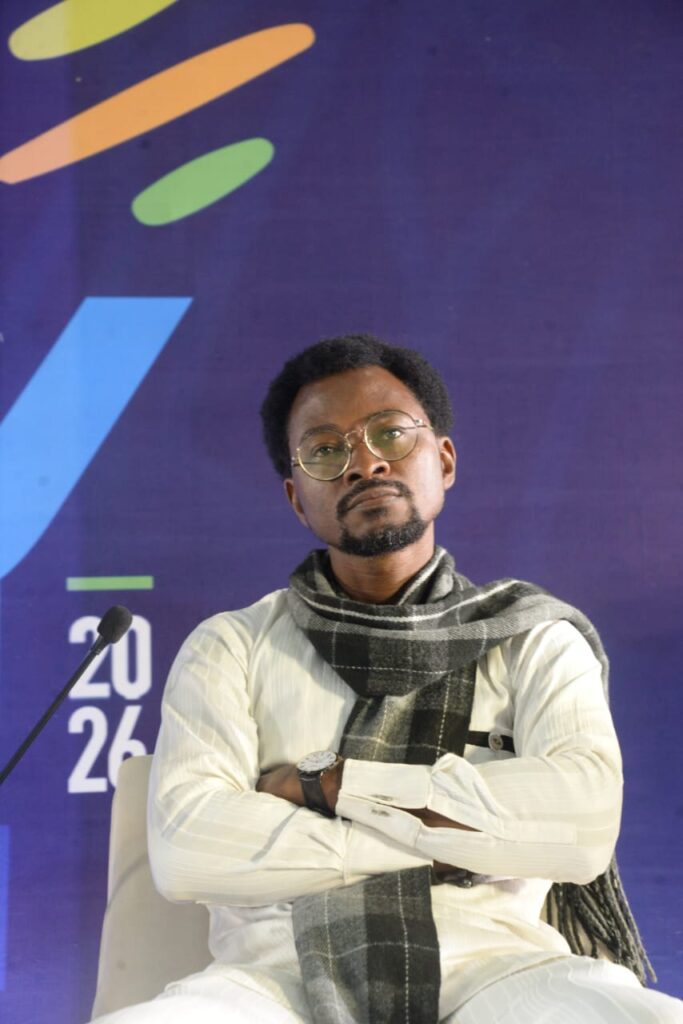
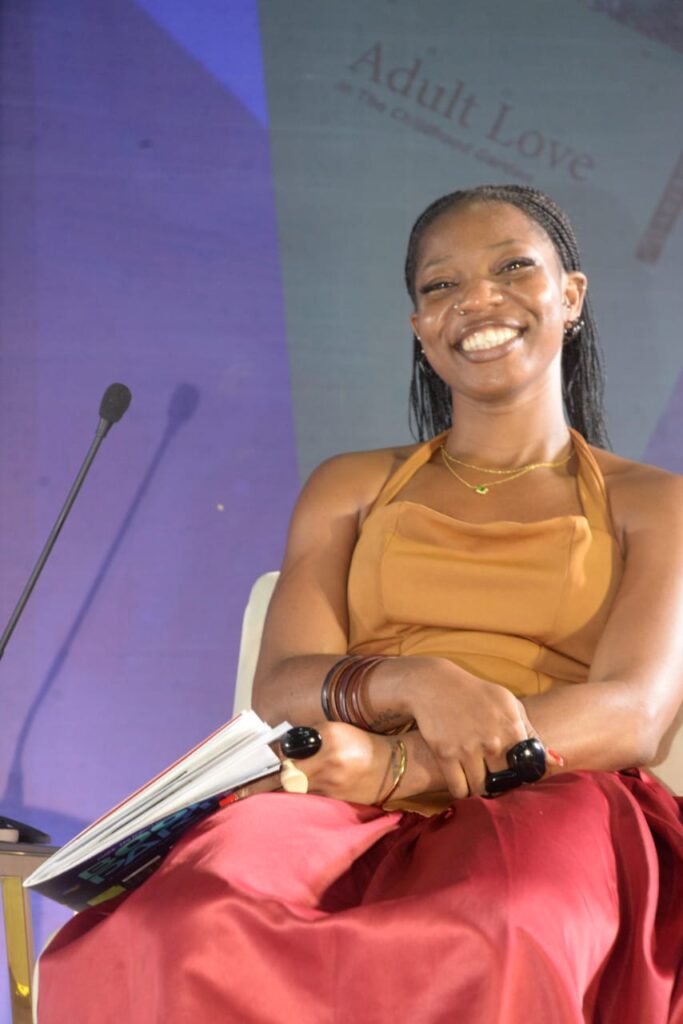
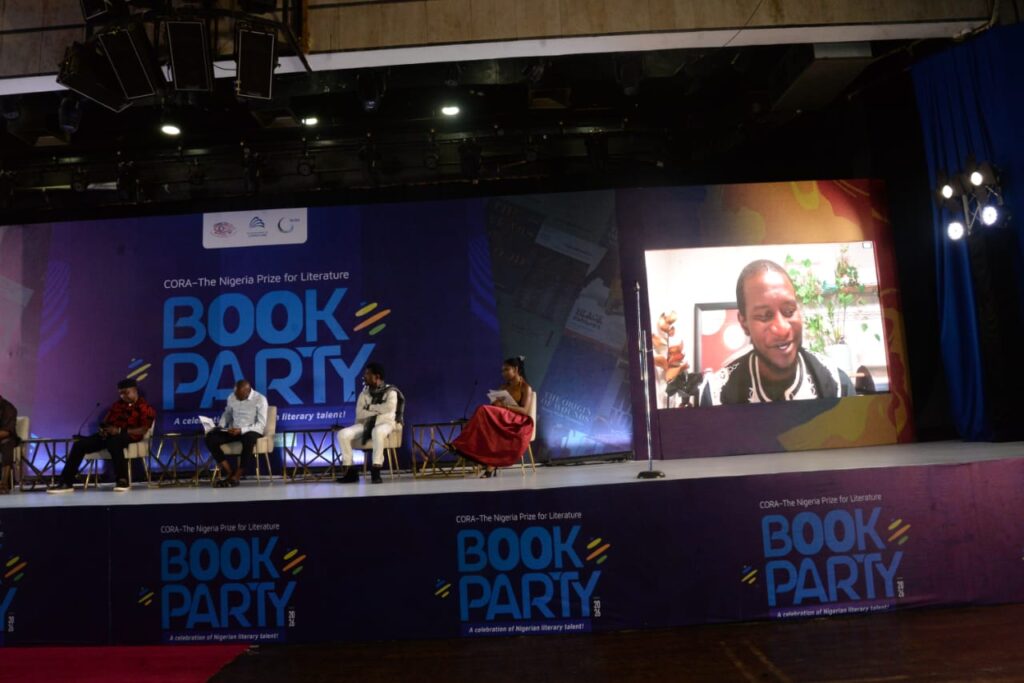
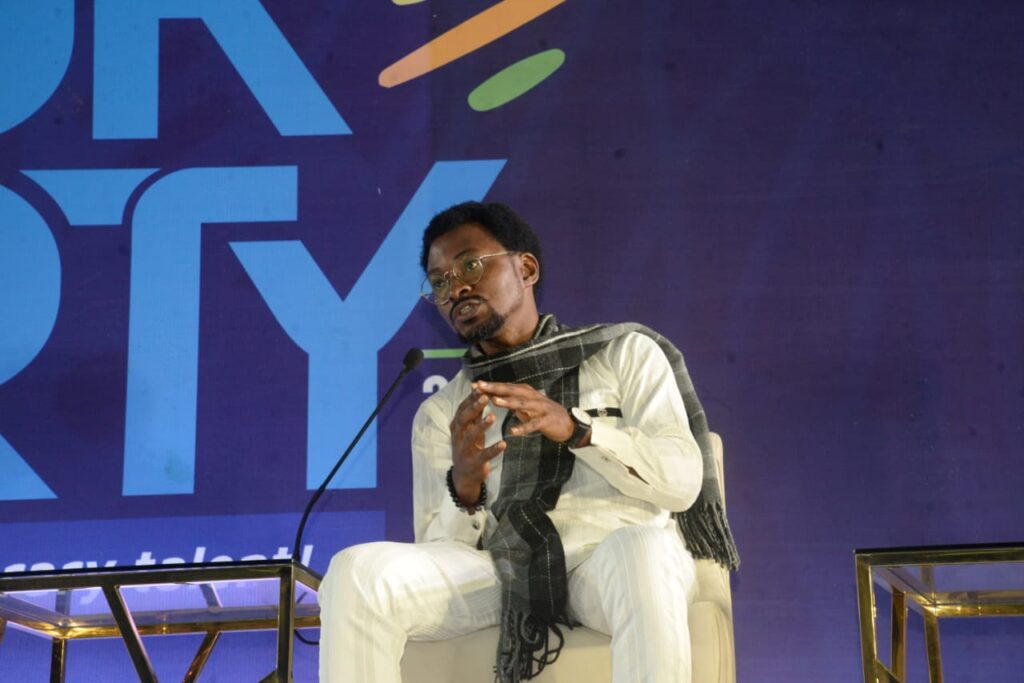
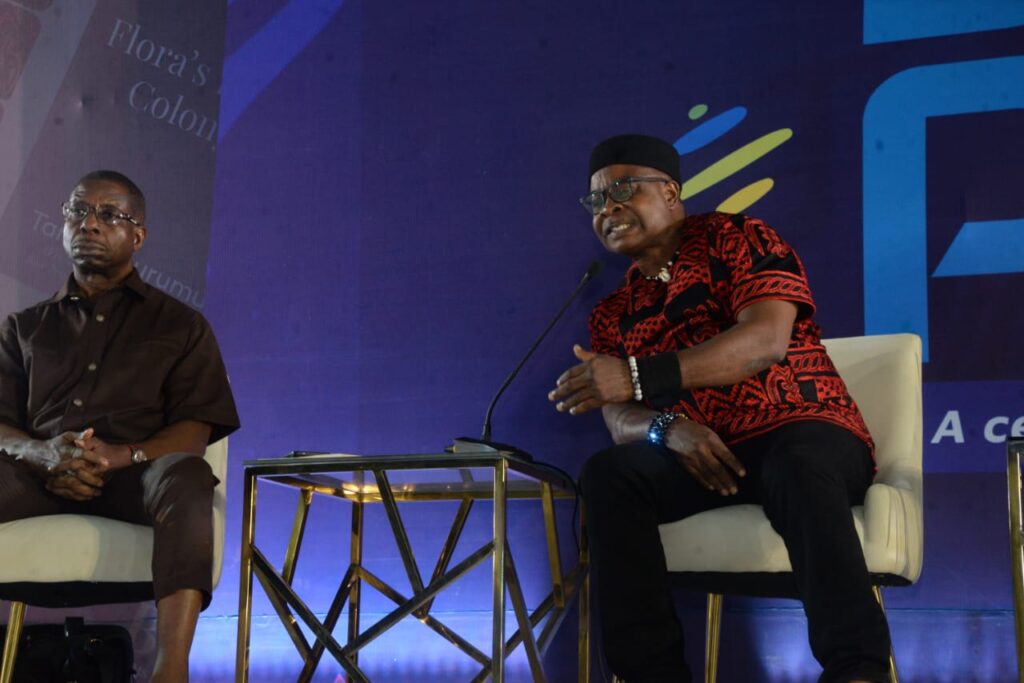
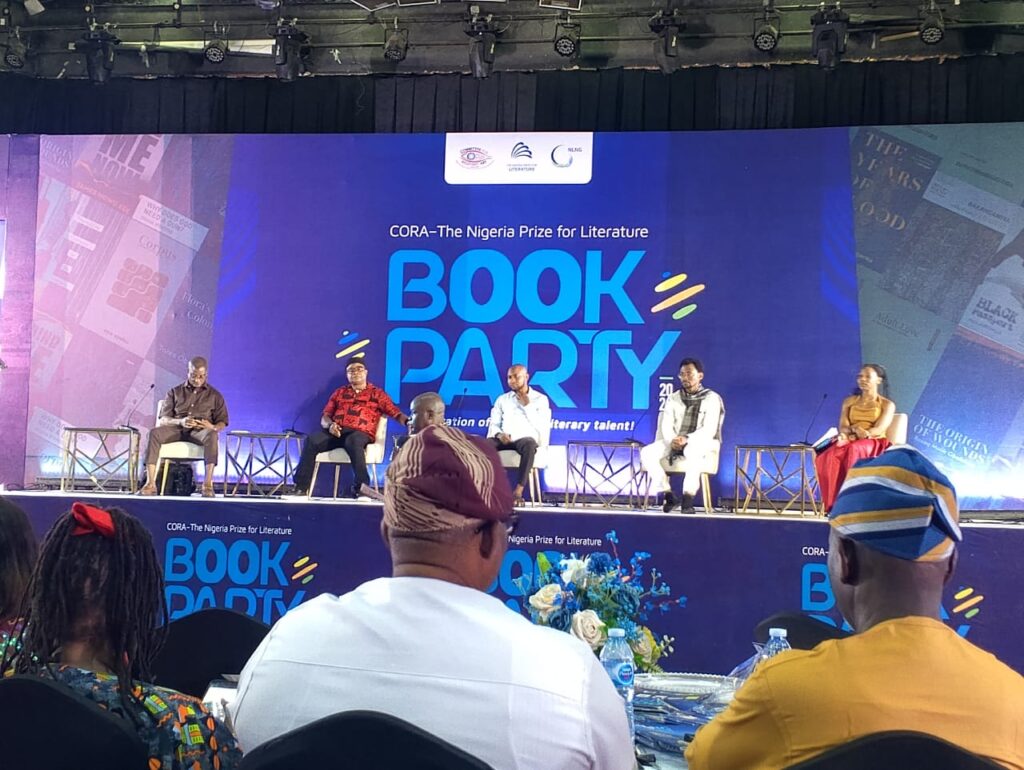
The afternoon; CORA-NLNG Book Party was an unforgettable experience of literary feasting, featuring performances, conversations, wining, and dining. The event was skillfully moderated by spoken word poet and advocate Juliet Nnaji, who guided the poets through a lively question-and-answer session that revealed the personalities behind the verses.
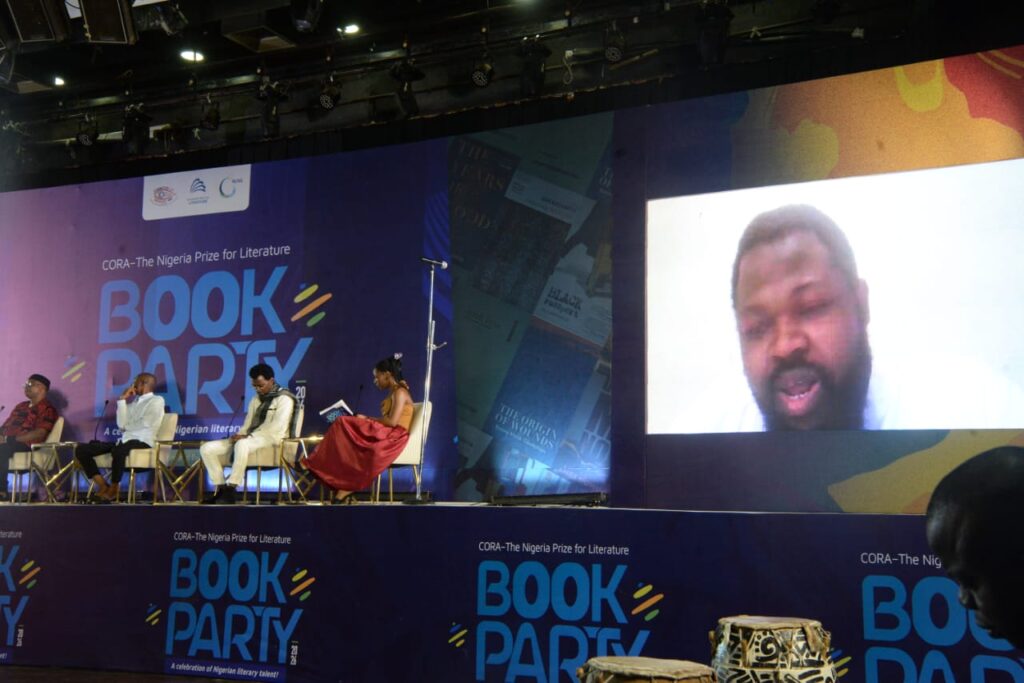
Guests attending in person or virtually were opportune to meet face-to-face and virtually with the poets adjudged the very best of the 223 who submitted entries to the directorate of the Prize project launched in 2004 as the Community Service Relations (CSR) of the gas company.
The longlisted titles, arranged alphabetically, are:
- Tanure Ojaide – Adult Love
- Saddiq Dzukogi – Bakandamiya: An Elegy
- Paul Akpomuje – Black Passport
- Ajibola Tolase – 2000 Blacks
- Theresa Lola – Ceremony for The Nameless
- Ayo Oyeku – Corpus: Animistic Verses
- Tares Oburumu – Flora’s Love Colony
- Rasaq Malik Gbolahan – The Origin of Wounds
- Adedayo Agarau – The Years of Blood
- James Ugwu Eze – Unbind Me Now
- Ogaga Ifowodo – Why Does God Need a Gun?

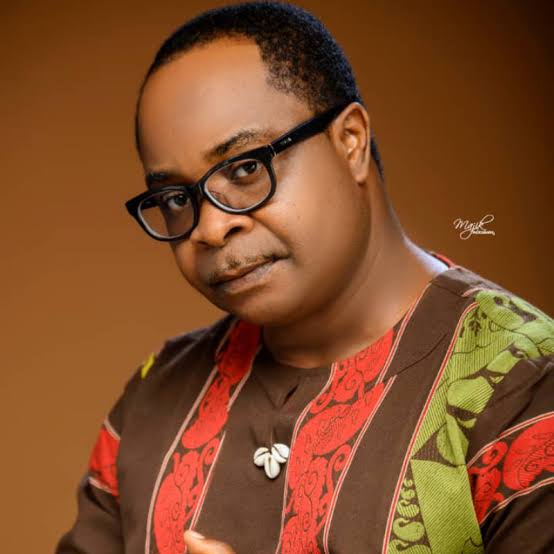


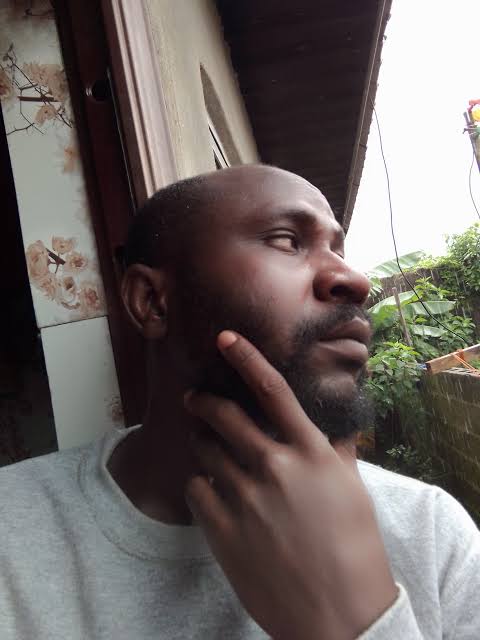

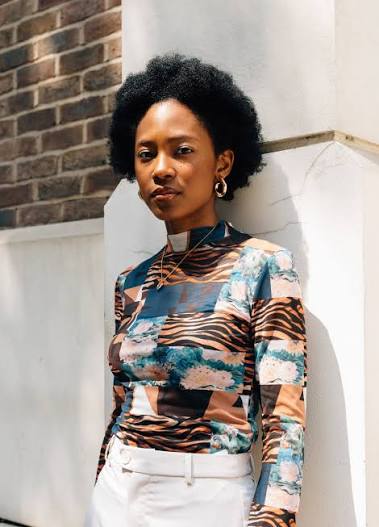

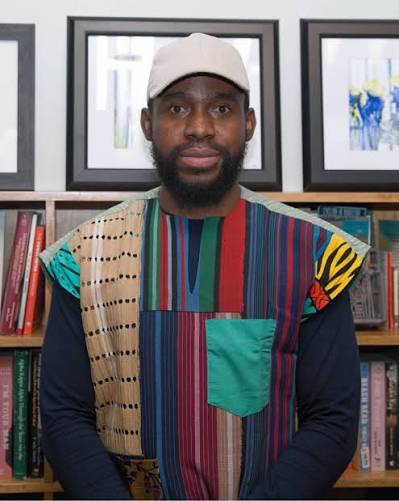
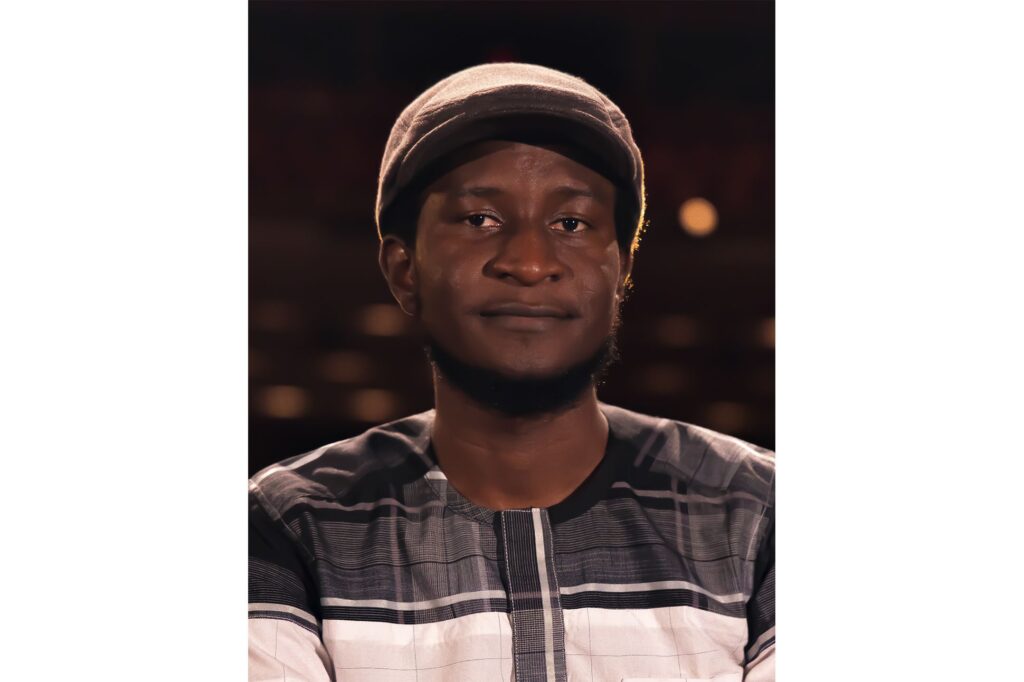
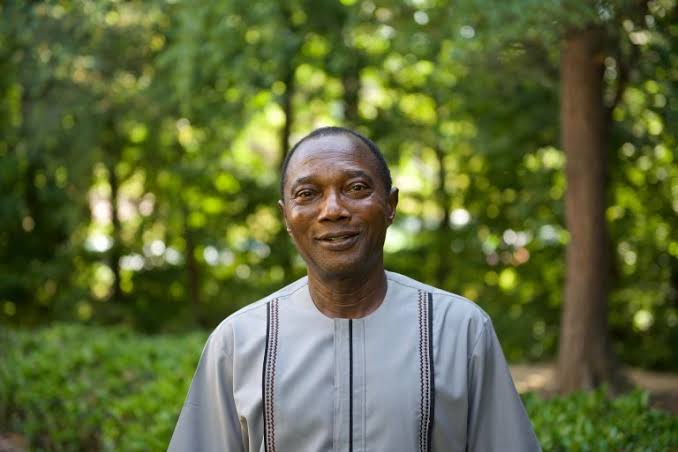
The Faces Behind the Verses
Each poet brought a distinct vision to the MUSON Centre stage. The afternoon was enriched by the diversity of their voices and the depth of their artistic concerns.
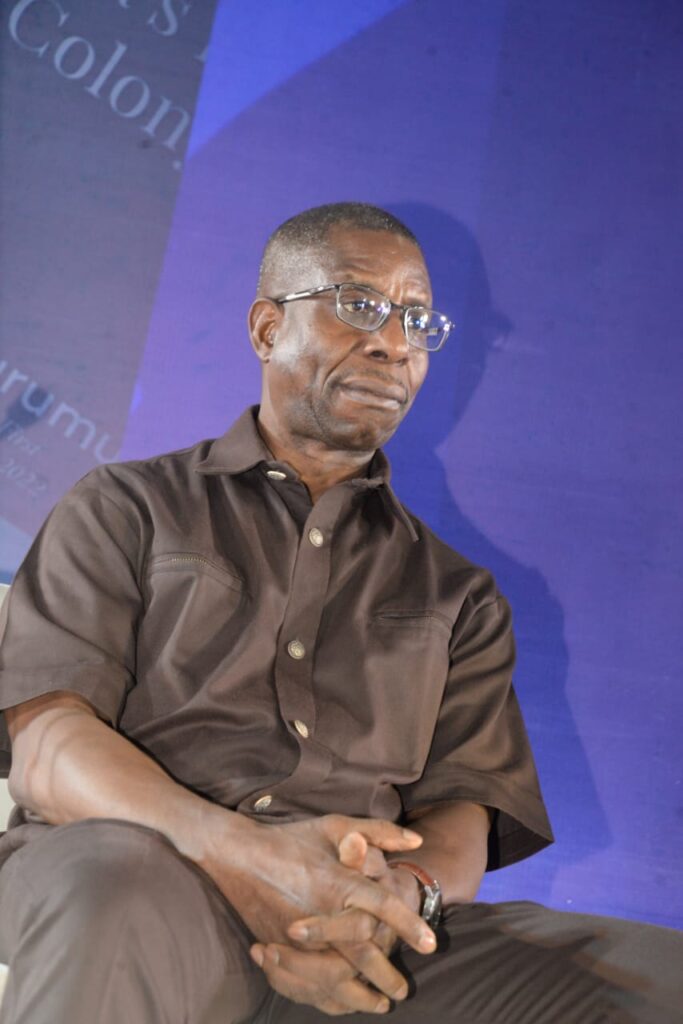
Tanure Ojaide: A Veteran’s Return
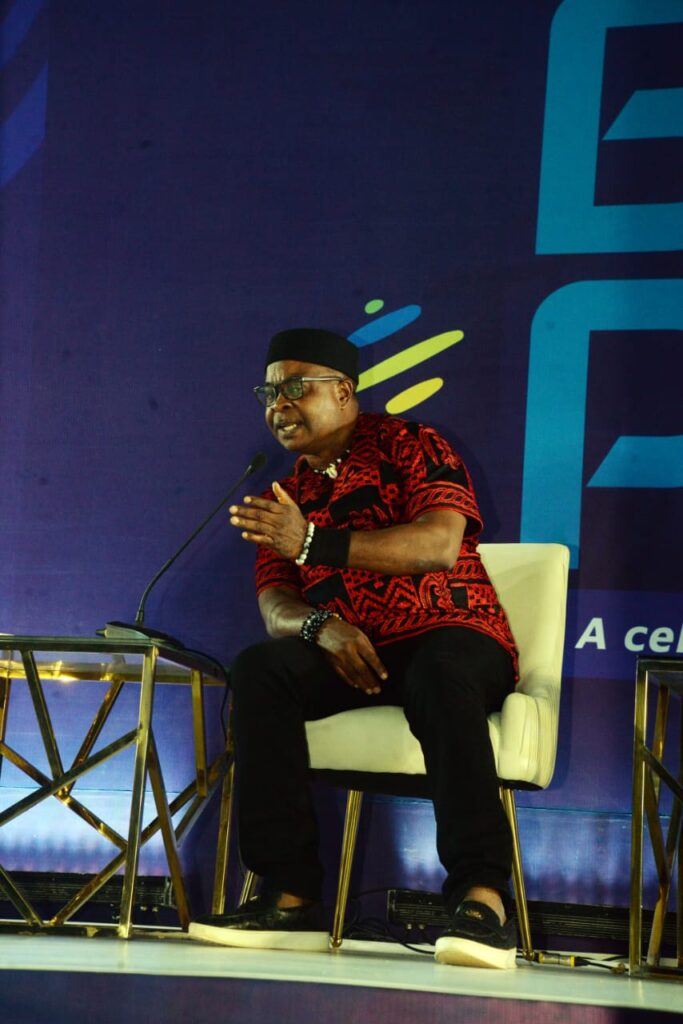
Tanure Ojaide, a veteran whose career spans decades, returned to the party nine years after his last appearance with Adult Love. This collection recollects the small things of childhood and youth that would later guide his adult life towards values that give meaning to humanity. The poet says: “Many of those early experiences have relevance to my adult perceptions and, in fact, elicit comparisons of those days and these days, the traditional community and today’s not just modern but also global world.
It is the advantage of age to compare, as happens here… My childhood and youth are replete with folklore; hence this collection begins with Aridon, my muse, and the falcon we call egodi whose yearly appearance is expected to affirm a sense of creative renewal.” His presence alone spoke to the enduring power of poetry across generations.
Saddiq Dzukogi: Subverting Myth
Saddiq Dzukogi, making his second appearance at the Book Party in four years, presented Bakandamiya: An Elegy. This is a book-length epic poem set in northern Nigeria that subverts the legend of Bayajidda, a prince from Baghdad whose arrival reshaped the outlook of the Hausas.
The work is told in part from a shapeshifting Bori spirit’s point of view and in part through personal lyrics, blending prayer and praise song. It decries the loss of culture and spirituality due to colonization from both the West and the East, tackling the lingering question of nationhood while expanding the griot tradition of Bakandamiya, a poetic form from northern Nigeria popularised by Mamman Shata.
Paul Akpomuje: Migration Narratives
Paul Akpomuje took the audience on a journey through Black Passport, exploring the complexities of black African migration in Canada, tracing the possibilities of fugitivity, the weight of home, and the ways borders, paperwork, and diasporic placemaking shape identity.
The poems attend to the intimate textures of migration, the torturous anxiety of waiting, the negotiations of belonging, and the search for home in unfamiliar spaces. Through humour, wit, hope, love, joy, and spirituality, the poet tells stories of survival and possibility, illuminating the complexities of migrant life beyond narratives of struggle alone.
Ajibola Tolase: Black Identity Explored
Ajibola Tolase probes the complexity of economic and politically motivated migration from Africa in 2000 Blacks, a collection that has already earned significant acclaim, including the Cave Canem Poetry Prize.
This work fashions a lyrical meditation on the fragility of memory, the afterlives of migration, and the mutable architectures of Black identity. Traversing Nigeria and the American Midwest with equal emotional acuity, these poems inhabit the interstices between homeland and exile, inheritance and reinvention, intimacy and estrangement.
Theresa Lola: The Power of Naming
Theresa Lola’s Ceremony for The Nameless explores the act of naming and its role in shaping our identities and aspirations, what we carry, and how we belong. Her lyrical, joyful, and moving poems break down the complexities of the diasporic experience and the way it is woven through family life, history, and memory.
The collection is described as among the ranks of a new wave of young female bards widening the appeal of poetry for a new generation.
Ayo Oyeku: Animistic Verses
Ayo Oyeku returned to the Nigeria Prize for Literature longlist for the third consecutive year, this time with Corpus: Animistic Verses. This is a collection that weaves the endless human quest for meaning into animistic verses, rooted in Yoruba cosmology and animated by the rhythms of African memory.
These poems journey through beginnings, identity, longing, migration, love, grief, and mortality with remarkable clarity and emotional depth.
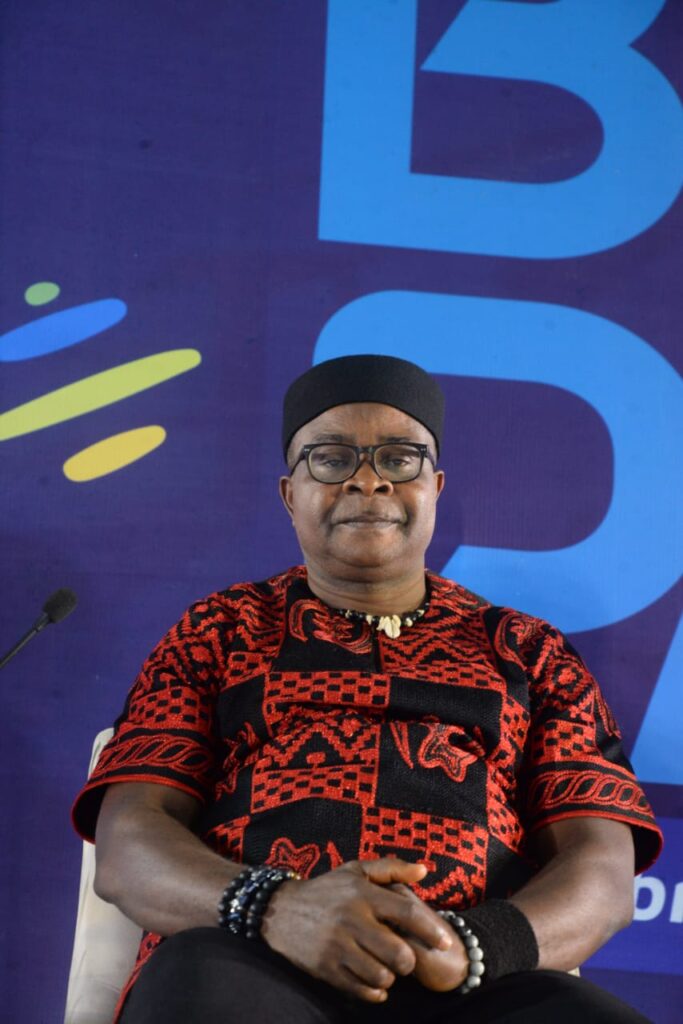
Tares Oburumu: A Poetic History
Tares Oburumu’s Flora’s Love Colony serves as an anthology of poems that recount the intrusion of imperial fascination with Nigeria’s ebullient human and capital resources. It traces the history of the most populous black nation from the Berlin Conference of 1885, precolonial Nigeria, post-colonial Nigeria, to present-day Nigeria, with emphasis on 1914, the year of the amalgamation of the protectorates into a single nation of tribes by Lord Frederick Lugard, and the Nigeria Civil War. Central to the amalgamation is the naming of the country by the wife of Lugard, Flora Shaw, from which the book took its title.
Rasaq Malik Gbolahan: Wounds of War
Rasaq Malik Gbolahan’s The Origin of Wounds exhumes fragments of historical accounts that bring us face-to-face with the brutality of national and global wars, examining the wounds of displacement, of migrants, of ancestors on slave ships, and dreams buried in the dark of war. In poems that startle and astonish, the poet shows the excruciating lives of children in war-torn homelands, while also guiding readers through diaries of war notes and archives of forgotten wounds.
Adedayo Agarau: Ritual Killings Confronted
Adedayo Agarau addresses the harrowing reality of ritual killings and child abductions in Nigeria in The Years of Blood, particularly in Ibadan, drawing on Yoruba cosmology and folklore to render the experiences of the displaced and the disappeared. Rather than reproduce crime as reportage, Agarau enters its dream logic, using news fragments, prayers, incantations, and remembered scenes gathered around the missing.
James Ugwu Eze: Outrage and Grief
James Ugwu Eze, appearing on the longlist for the second time, offers Unbind Me Now, a fierce, unrelenting collection forged in fire, grief, and moral urgency. The collection raises a strident voice on our vanishing certainties with a searing exploration of walls on the brink of collapse, the increasing loss of humanity through identity and belongingness, and the persistent threats that might lead to a collective ecological grief.
Ogaga Ifowodo: Voices Nearly Erased
Ogaga Ifowodo joins the party for the third time with Why Does God Need a Gun?, a collection that listens for voices nearly erased—the screams of schoolgirls stolen in the night, the heartbeat of a daughter who refuses to renounce her faith. The forest assumes the dual status of prison and mirror, a gruesome stage where the claim of divine authority is turned by the victim, a sapling, against the bearded guardians of God.


The Publishers: Partners in the Literary Enterprise
Behind every book on the longlist lies the labor of publishers who, despite the daunting challenges of power outages, logistical nightmares, and funding constraints, continue to confound the dilemma and bring great literary voices to the public. As Toyin Akinosho, CORA’s Secretary-General, noted: “We are here because a profitable Nigerian gas company decided that a way to spend some share of its profit is to enable the Nigerian reading space. I’d like to thank NLNG for continuing to support this yearly afternoon of book conversation and the celebration of this country’s finest authors.”
Masobe Books emerged as a dominant force on the longlist, with four laureates among its roster. The publisher has established itself as a powerhouse in Nigerian literary publishing, and its presence on the longlist is a testament to its commitment to nurturing Nigerian voices.
The opportunity for audiences to purchase copies of these works at the CORA-NLNG Book Party, except for Ajibola and Dzukogi’s collection, speaks to the ongoing challenge of distribution and accessibility that Nigerian publishers face daily. Dzukogi and Ajibola were published by university presses abroad.
Paressia Publishers published Tanure Ojaide’s Adult Love, bringing the veteran poet’s work to Nigerian audiences and ensuring that a voice of such historical importance remains available to readers.
SOKI, a Nigerian publishing imprint of TBLNG Press, made Paul Akpomuje’s Black Passport available to the public, demonstrating the growing interest in acquiring works that might otherwise remain in diaspora publishing circles. This strategic publishing reflects a broader trend of Nigerian publishers actively seeking out and bringing home the works of Nigerian authors published abroad.
Fairchild & Brave (Fairchild Media Publishing) published Tares Oburumu’s Flora’s Love Colony, adding to the list of Nigerian publishers committed to investing in literary excellence. The presence of these publishers at the event, and the enthusiastic sales of books by Theresa Lola (Penguin Books), Tares Oburumu, and others, demonstrated that despite the economic headwinds, there remains a robust appetite for quality Nigerian literature.
The Spirit of the Occasion: More Than Just a Reading
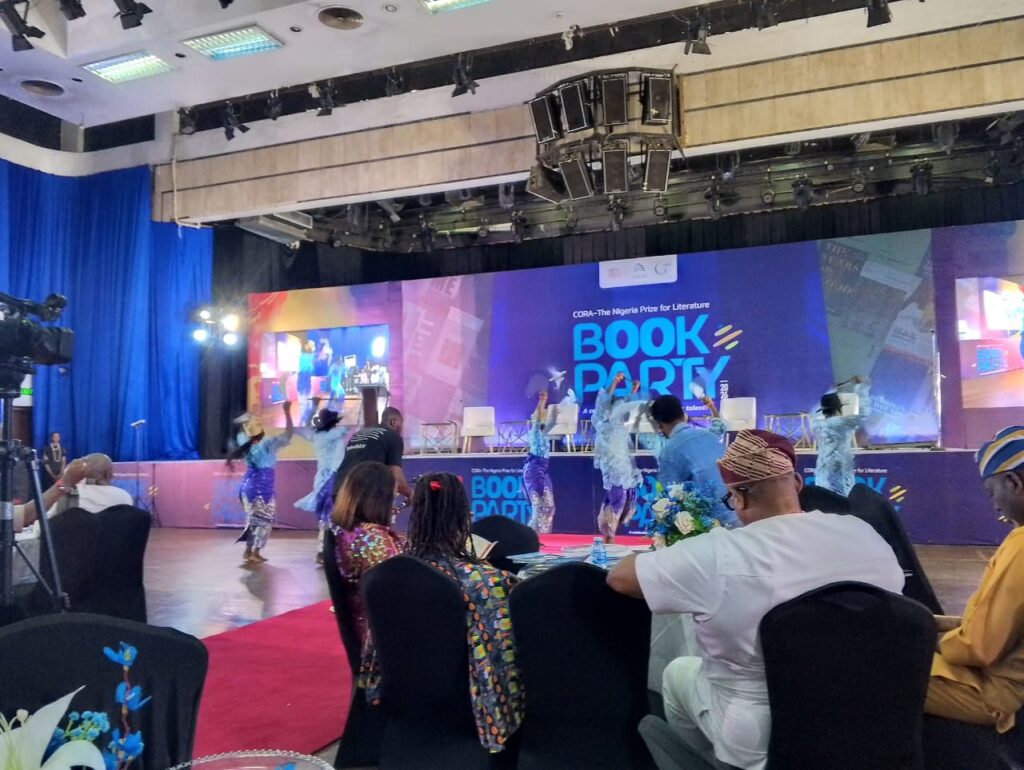
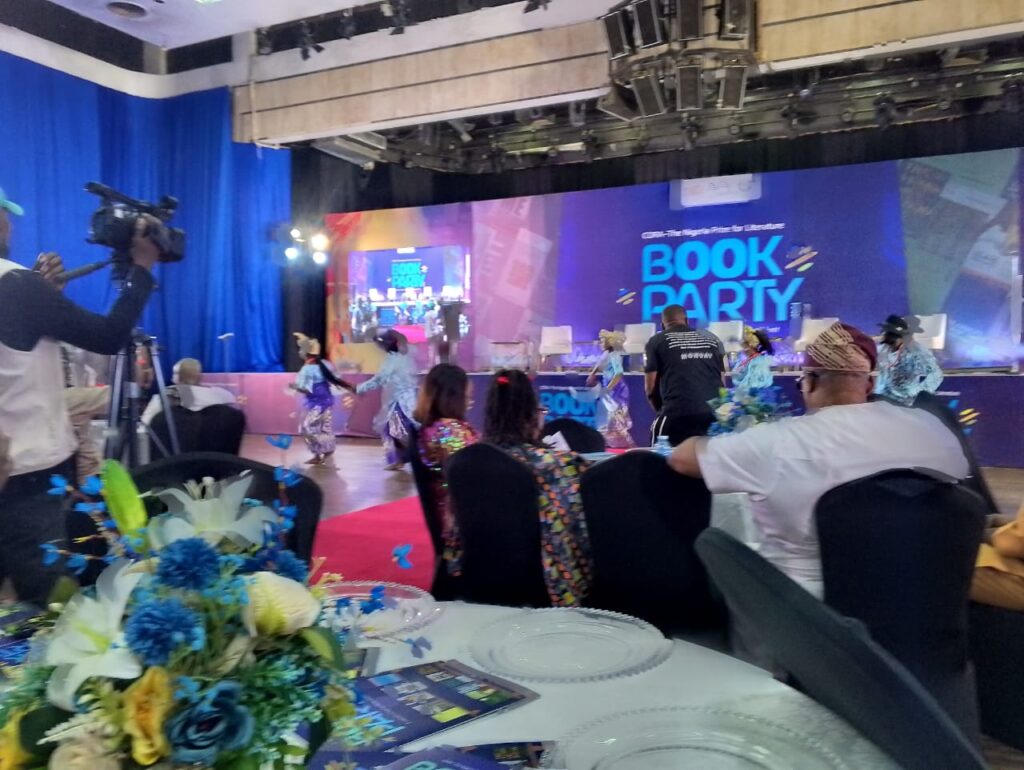
The highlight of the CORA-NLNG Book Party was undoubtedly the poetry performance session. Rather than simply reading from their books, the young poets were tasked to deliver dramatic and emotional performances that brought their words to life. The audience was treated to a literary feast—not just of ideas, but of a unique soiree. Cultural dance and musical performances created a colourful atmosphere that reflected Nigeria’s rich artistic heritage, and the energy in the room was palpable.
Sophia Horsfall, NLNG’s General Manager of External Relations and Sustainable Development, reminded the audience why such gatherings matter: “The 2026 Poetry cycle attracted 223 entries, each bringing its own rhythm, perspective, and artistic expression. Each of these submissions speaks to the vitality of Nigerian poetry, and the confidence that Nigerian writers continue to place in the NLNG-sponsored The Nigeria Prize for Literature.”
She noted that The Nigeria Prize for Literature was established to recognise exceptional writing, and to strengthen Nigeria’s culture of reading, critical engagement and creative expression. This year’s focus on poetry, she added, celebrates a genre capable of distilling complex truths into powerful language, connecting the personal with the universal and giving voice to experiences that might otherwise remain unheard.
Toyin Akinosho emphasized the uniqueness of the CORA-NLNG Book Party in the global literary landscape: “I don’t know of any literary prize process in which the final award is prefaced by a celebratory event of this nature, at which the authors face a community of readers in a room and talk about why and how they wrote what they are offering.” This distinctive approach sets the Nigeria Prize for Literature apart from other literary awards globally and underscores the importance of public engagement with literature.
The Nigerian Publishing Landscape: Confounding the Dilemma
The Nigerian publishing industry operates under conditions that would cripple less resilient sectors. Publishers contend with an unreliable power supply that disrupts production schedules, a logistics network that makes distribution a Herculean task, and funding constraints that limit the scale of print runs and marketing efforts. Yet, despite these formidable challenges, Nigerian publishers continue to confound the dilemma and publish great literary voices that command national and international attention.
The presence of nine Nigerian-published books on the longlist is a testament to this resilience. These publishers are not merely surviving; they are thriving and expanding the boundaries of what is possible in Nigerian literature. They are investing in editorial excellence, book design, and distribution networks that ensure Nigerian readers can access works of world-class quality. They are creating platforms for voices that might otherwise go unheard, and they are building a literary ecosystem that nurtures talent from the first manuscript to the final published book.
Looking Ahead: The Journey to October
The CORA-NLNG Book Party is but a prelude to the main event. The longlist will be trimmed to a shortlist of three in August, and the winner of the $100,000 prize—the largest of its kind in Africa—will be announced on Friday, October 9. The judges, appointed for the 2026 edition of the Prize, will have the difficult task of selecting a winner from this exceptionally strong field.
Now in its 22nd year, The Nigeria Prize for Literature, sponsored by NLNG, rotates annually among four genres: Prose Fiction, Poetry, Drama, and Children’s Literature. The 2026 edition is dedicated to Poetry, and the winner will join a distinguished list of past laureates. The CORA Book Party forms part of the activities leading to the final announcement, providing a public platform for engagement with the longlisted works and their authors.
Assistant Professor of Creative Writing at Florida Atlantic University, US, Romeo Oriogun, won the last edition of The Nigeria Prize for Literature 2022 in the poetry category with his collection, Nomad. The question on everyone’s mind at the MUSON Centre was: Who among these 11 poets succeeds Oriogun as Nigeria’s poet laureate in 2026? The verdict is due to be delivered by the prize jury on Friday, 9 October 2026, and the literary community awaits with bated breath.
A Celebration of Literary Community
As the audience filed out into the Lagos afternoon, many carried books newly purchased, some cradling the words of Theresa Lola’s Ceremony for The Nameless, others holding Tares Oburumu’s Flora’s Love Colony, and many others clutching the works of other laureates. In the absence of 2000 Blacks and Dzukogi’s collection, there were promises of future acquisitions and conversations. The poets had succeeded in doing what they do best—turning fleeting moments into lasting memories.
The Book Party emphasized the importance of sustaining platforms that move literature beyond the page and into public consciousness. It was designed to create exactly this kind of public literary encounter, where books are not merely announced, but read, discussed, challenged, and appreciated. The Book Party remains an intervention in Nigeria’s literary space because it gives visibility to authors and encourages direct engagement between writers and readers.
CORA, the Committee for Relevant Art, is a collective of artists, art enthusiasts, promoters, and writers committed to advancing contemporary Nigerian and African arts. The organisation also hosts the annual Lagos Book & Art Festival (LABAF), which is scheduled to take place from 16 to 22 November this year under the theme, “The WORKOVER Starts, NOW.” The 28th edition of this festival, critically described as ‘the biggest culture picnic on the African continent,’ promises to build on the momentum generated by the Book Party.
For now, the MUSON Centre served as the perfect host for a celebration of Nigerian poetry, reminding us all that literature matters to developmental aspirations and nation building. The afternoon reaffirmed that Nigerian poetry is alive, vibrant, and in good hands, and that the future of Nigerian literature is bright indeed.
About the Nigeria Prize for Literature
The Nigeria Prize for Literature was inaugurated in 2004 with USD$20,000 prize money. Sponsored by NLNG, the prize money was later raised to USD$50,000 and now stands at USD$100,000, making it the biggest of its kind in Africa. The competition rotates annually among four genres—prose fiction, poetry, drama, and children’s literature—with a different genre selected each year.
The CORA-NLNG Book Party
The CORA-NLNG Book Party, a special iteration of the Committee for Relevant Art (CORA) Book Party launched in 1996, was initiated after a review of the first five years of the esteemed Prize project. The idea is to create a platform through which the public gets to engage with the works considered the best of the usually over 200 entries per edition of The Nigeria Prize for Literature.
Read Also:






Leave a comment