

Nigeria’s proposed social media legislation has become one of the country’s most debated technology policy issues. While supporters describe it as a step toward strengthening the digital economy and ensuring global technology companies contribute more to Nigeria, critics fear it could reshape the country’s internet landscape and place new pressure on online expression.
The proposal has generated conversations among lawmakers, digital rights advocates, entrepreneurs and content creators. Yet many Nigerians remain unsure about one important question: has the bill actually become law?
The answer is no.
The bill is still moving through the National Assembly and has not yet become law. Nevertheless, it has already triggered an important national conversation about the future of Nigeria’s creator economy, digital innovation and technology regulation.
The Bill Is Not Yet Law
Despite widespread discussions on social media, the proposed legislation has not completed the legislative process.
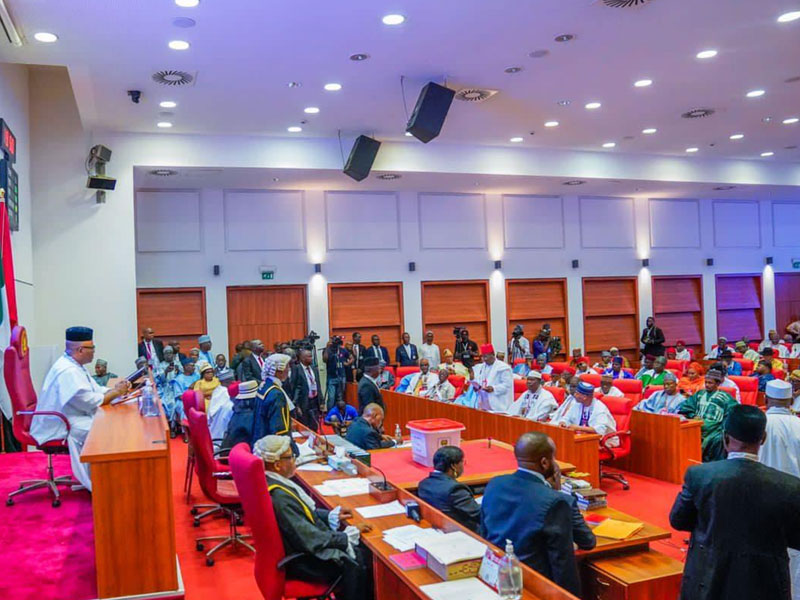
It has passed its second reading in the Senate and has been referred to the Senate Committee on ICT and Cyber Security for further review. The committee is expected to gather stakeholder opinions before returning the bill to the Senate.
If approved, the proposal must still pass a third reading, secure approval from the House of Representatives and receive presidential assent before becoming law.
Until then, no new obligations apply to social media platforms or Nigerian content creators.
Why the Government Wants the Bill
Supporters of the proposal argue that some of the world’s biggest technology companies generate significant advertising revenue from Nigerian users without maintaining substantial operations in the country.
Lawmakers believe requiring platforms to establish physical offices could improve regulatory engagement, increase tax compliance and create new employment opportunities.
They also argue that local offices would make it easier for government agencies to communicate with technology companies when dealing with cybercrime, harmful online content and consumer complaints.
For supporters, the proposal represents an attempt to strengthen Nigeria’s digital economy rather than simply regulate social media.
Why Critics Are Concerned
Opponents see the proposal differently.
Digital rights organisations argue that compelling platforms to establish local offices could expose them to greater political pressure over content moderation and user data requests.
Critics also worry that increased compliance costs could discourage smaller technology companies from expanding into Nigeria.
Some analysts fear the proposal could weaken Nigeria’s reputation as one of Africa’s fastest-growing digital markets.
Others believe the legislation should focus on protecting users’ rights while encouraging innovation instead of creating additional regulatory burdens.
What It Could Mean for Content Creators
Nigeria has one of Africa’s largest creator economies.
Thousands of Nigerians earn income through YouTube, TikTok, Instagram, Facebook and X. Many creators also depend on international brand partnerships, advertising revenue and subscription income.
If the bill eventually becomes law, creators could experience both benefits and challenges.
A stronger local presence from global technology companies could lead to better creator support, more regional partnerships, improved customer service and greater investment in Nigeria’s creative ecosystem.
However, creators also worry about possible increases in content moderation or government requests affecting online content.
For creators whose businesses rely entirely on digital platforms, policy changes could influence how they publish, monetise and grow their audiences.
Are Nigerians Protesting?
Unlike previous digital rights issues, the proposed bill has not triggered nationwide street demonstrations or a major online protest movement.
Instead, opposition has largely come from civil society organisations, legal experts and digital policy advocates.
Groups including the Human Rights Writers Association of Nigeria (HURIWA) have publicly criticised aspects of the proposal, arguing that lawmakers should prioritise protecting digital freedoms while encouraging innovation.
Technology discussions on X, LinkedIn and other platforms have also highlighted concerns about investment, internet freedom and regulatory uncertainty.
Although online conversations continue to grow, there has been no coordinated digital campaign comparable to the #EndSARS movement.
What Are Technology Leaders Saying?
The world’s largest technology companies have not issued a coordinated public response to the proposal.
However, technology policy experts believe Nigeria should carefully balance regulation with innovation.
Industry observers note that Nigeria has become one of Africa’s most attractive technology markets. The country boasts thousands of startups, millions of digital consumers and one of the continent’s largest creator communities.
Many experts argue that regulatory certainty encourages investment, while unclear policies may discourage international companies from expanding local operations.
Startup founders have also emphasised that Nigeria should avoid creating barriers that could slow digital entrepreneurship.
How Other African Countries Compare
Nigeria is not the only African country seeking stronger oversight of global technology companies.
South Africa hosts offices for several major technology firms, including Google and Microsoft. However, those companies established local operations largely because of market opportunities rather than mandatory legislation. South Africa’s regulatory approach focuses heavily on privacy, competition and consumer protection.
Kenya has also attracted major technology investments and serves as an East African hub for several multinational companies. The country’s digital policies generally encourage innovation while regulating data protection through dedicated legislation.
Ghana continues to strengthen its digital economy through regulatory reforms, although it has not introduced broad requirements compelling every major social media company to establish local offices.
Uganda has adopted a more restrictive digital approach in recent years. Internet shutdowns during elections and previous social media taxes attracted criticism from international digital rights organisations.
Nigeria’s own history also shapes today’s debate. In 2021, the Federal Government suspended Twitter for several months before restoring access after negotiations with the company. That experience remains fresh in the minds of many Nigerians whenever new technology regulations emerge.
The Bigger Question
The debate surrounding the Nigeria Social Media Bill extends beyond the location of company offices.
At its core, it raises important questions about how Africa’s largest economy should regulate global technology companies while protecting innovation, investment and freedom of expression.
Finding that balance will not be easy.
Supporters believe stronger regulation could boost Nigeria’s digital economy and improve accountability.
Critics warn that poorly designed rules could discourage investment and reduce confidence in the country’s technology sector.
Whatever lawmakers ultimately decide, the outcome could influence not only Nigeria’s digital future but also technology policy discussions across Africa.
The Nigeria Social Media Bill remains a proposal rather than law. However, it has already sparked an important national conversation about digital governance, platform accountability and the future of Africa’s largest creator economy.
For content creators, startups and global technology companies, the coming months will be critical. As the National Assembly continues deliberations, stakeholders across the digital ecosystem will be watching closely to see whether lawmakers can craft legislation that promotes innovation while safeguarding digital rights.












Leave a comment