

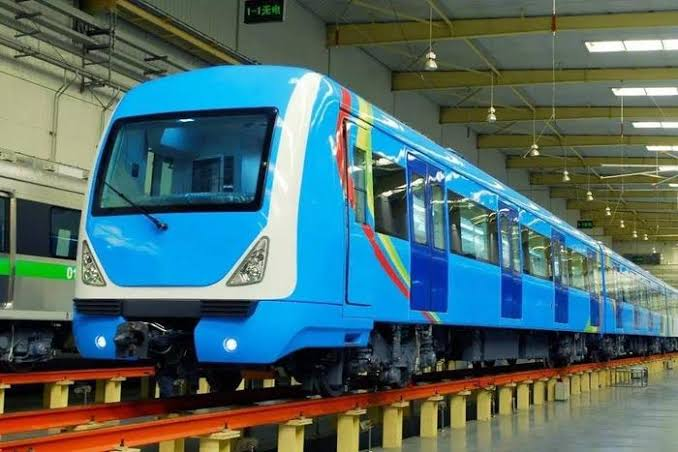
The Lagos rail expansion marks a major shift in how the city plans to move people and support growth. Lagos State has increased its Strategic Transport Master Plan from six rail lines to 11 lines and one monorail. This move aims to improve mobility and support economic progress.
The Lagos Metropolitan Area Transport Authority (LAMATA) confirmed the update. It also announced a new partnership with China Civil Engineering Construction Corporation (CCECC). Together, they will build a Railway Training Centre to develop local expertise.
Rail Expansion to Support a Growing City
Lagos continues to grow at a rapid pace. As a result, transport demand has increased across the state. The updated transport plan adds five new rail corridors to meet this need.
Moreover, the government wants to reduce traffic congestion. It plans to achieve this through a modern and integrated transport system. This system will combine rail, buses, and ferries.
Currently, only the first phases of the Blue and Red Lines operate. However, construction continues on their second phases. Once completed, these lines will improve connectivity across key areas.
Training Centre to Build Local Expertise
LAMATA has taken steps to ensure the rail system runs efficiently. It partnered with CCECC to create a Railway Training Centre. This centre will provide globally recognized training for railway professionals.
According to LAMATA Managing Director, Engr. Abimbola Akinajo, the expansion requires skilled workers. These workers will handle operations, signalling, maintenance, and customer service.
Furthermore, the initiative will reduce reliance on foreign experts. It will also create jobs for young Nigerians. This approach strengthens local capacity while supporting long-term growth.
Over 400 Personnel Already Trained
LAMATA has already made progress in workforce development. Since the Blue and Red Lines began operations, over 400 personnel have received training.
These workers include train drivers, operations staff, and customer service officers. Notably, more than 90% of workers on the Blue Line are Nigerians. Only a few technical roles still rely on foreign specialists.
The upcoming training centre will build on this success. It will produce more skilled professionals as new rail lines become operational.
New Rail Corridors to Improve Connectivity
The updated master plan introduces several important rail routes. These include the Green, Purple, Orange, and Yellow Lines. Each corridor aims to improve movement across Lagos.
One major project is the 68-kilometre Green Line. This line will connect Marina to the Lekki Free Zone. The project involves the Ministry of Finance Incorporated (MOFI) and China Harbour Engineering Company (CHEC). The Federal Government will also provide funding support.
In addition, the Red Line may extend into Ogun State in the future. This extension will improve regional connectivity and support economic integration.
Lagos has started shifting its focus from road expansion alone. Instead, it now prioritizes a balanced transport system. This includes rail, Bus Rapid Transit (BRT), and ferry services.
Officials believe roads alone cannot meet future transport needs. Therefore, the state aims to create a system that improves access and reduces travel time.
This strategy also supports sustainable urban development. It ensures that infrastructure keeps pace with population growth.
Impact on Housing and Real Estate
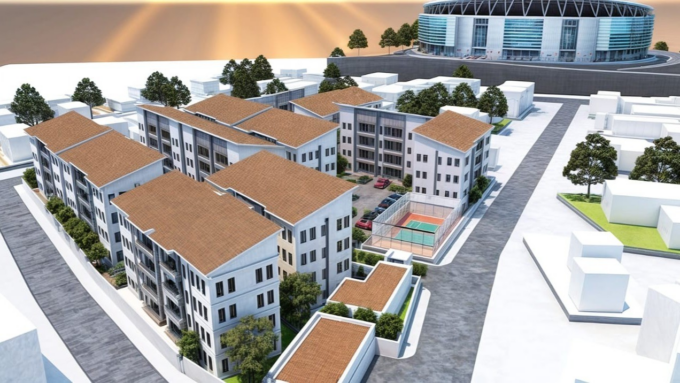
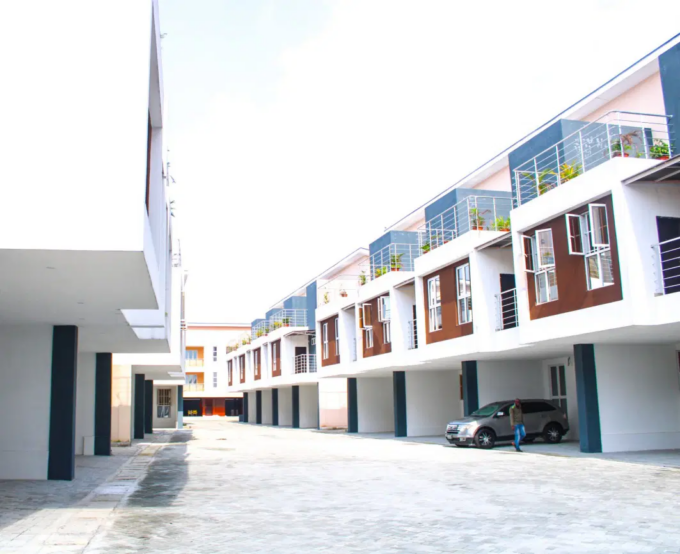
The Lagos rail expansion will influence the housing sector in many ways. Improved transport links will open new areas for residential development.
As a result, emerging communities may attract more buyers and investors. Better connectivity also increases land value in these areas.
Additionally, developers may focus on transit-oriented developments. These projects often grow around major transport hubs. They offer easy access to jobs and services.
For investors, this creates new opportunities. It also strengthens long-term confidence in the real estate market.
The Lagos rail expansion to 11 lines and one monorail reflects a bold vision for the future. The state aims to build a strong and efficient transport system. At the same time, it focuses on developing local talent through the Railway Training Centre.
This initiative will reshape mobility across Lagos. It will also influence housing, real estate, and economic activity. As the city continues to grow, integrated transport planning will play a key role in its success.





Leave a comment