

By Chibuzor Alli
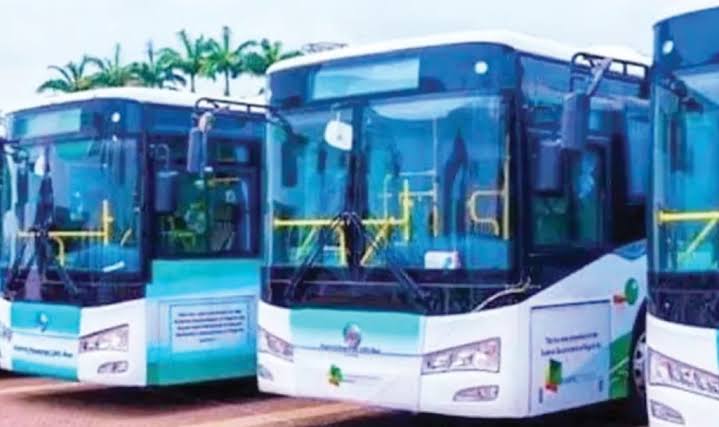
The Federal Government is stepping up plans to deploy one million compressed natural gas (CNG)-powered vehicles nationwide, betting on cheaper fuel and expanded refuelling infrastructure to help reduce transportation costs for Nigerians.
The renewed push comes as the government seeks to translate its alternative-fuel policy into tangible relief for commuters following the removal of the petrol subsidy, with officials directed to accelerate vehicle conversions, infrastructure investments and programmes to expand CNG adoption.
Minister of State for Petroleum Resources (Gas), Ekperikpe Ekpo, gave the directive in Abuja over the weekend while receiving progress reports from the Presidential Initiative on Compressed Natural Gas and Electric Vehicles and the Decade of Gas Secretariat.
According to a statement issued on Sunday by the minister’s spokesman, Louis Ibah, the government intends to intensify efforts to make CNG a more accessible alternative to petrol for transport operators.
The statement read, “The Federal Government has pledged to intensify efforts to promote compressed natural gas as a cheaper alternative fuel for transportation, with a renewed focus on accelerating the rollout of one million CNG-powered vehicles across the country.
To this end, the Minister of State Petroleum Resources (Gas), Rt. Hon. Ekperikpe Ekpo, has tasked the leadership of the Presidential Initiative on Compressed Natural Gas and Electric Vehicles and the Decade of Gas Secretariat to focus on critical interventions, step up investments, expand CNG infrastructure and strengthen programmes to drive nationwide adoption.”
FG bets on gas to ease transport costs
The initiative is built around the potential for CNG to reduce fuel expenses for commercial transport operators, creating room for lower fares if the savings are passed on to passengers.
Unlike petrol, CNG is generally cheaper on an energy-equivalent basis. However, the extent to which commuters benefit will depend on factors including the availability of refuelling stations, the cost of converting vehicles, reliable gas supplies and transport operators’ pricing decisions.
Ekpo said Nigeria’s substantial gas resources offered an opportunity to reduce transportation costs while increasing domestic gas consumption and stimulating economic activity.
“Nigeria is a gas nation with a gas reserves index of over 80 yrs, and that is why we are talking about the Decade(s) of Gas,” he said.
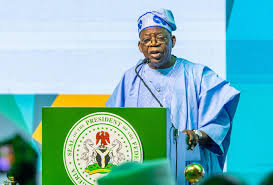
The minister also emphasised the need to implement President Bola Tinubu’s directive to make transportation more affordable through the adoption of CNG.
“It is important that we listen to the directive of Mr. President to make transportation cheaper via CNG. We will continue to give you all the backing, to provide the necessary assistance to make sure we drive this project to a logical conclusion,” the minister said.
Infrastructure expansion remains crucial
Beyond setting a target of one million gas-powered vehicles, the government is focusing on the infrastructure and conversion programmes needed to support wider adoption.
Without sufficient refuelling stations and affordable access to vehicle conversions, transport operators may struggle to switch from petrol to gas, limiting the potential impact on operating costs and passenger fares.
The Chairman of the Presidential Initiative on CNG and Electric Vehicles, Ismaeel Ahmed, said the initiative would intensify investments and programmes aimed at expanding refuelling infrastructure and increasing the number of vehicles converted to run on gas.
He said the effort was intended to make CNG more accessible to transport operators and help reduce fares for millions of Nigerians.
Will CNG adoption translate into cheaper fares?
The government’s target could mark a significant expansion of alternative-fuel transportation in Nigeria, but achieving lower fares will depend on how quickly the supporting infrastructure develops and how much operators save by switching to CNG.
Greater availability of gas, more conversion centres and wider access to refuelling facilities could encourage more transport businesses to adopt the fuel.
However, lower fuel costs alone do not guarantee cheaper journeys. The ultimate benefit for commuters will depend on whether operators reflect their reduced operating expenses in passenger fares.
For the government, the immediate challenge is to turn the one-million-vehicle ambition into a functioning transport-fuel ecosystem capable of delivering measurable cost savings to businesses and ordinary Nigerians.










Leave a comment