

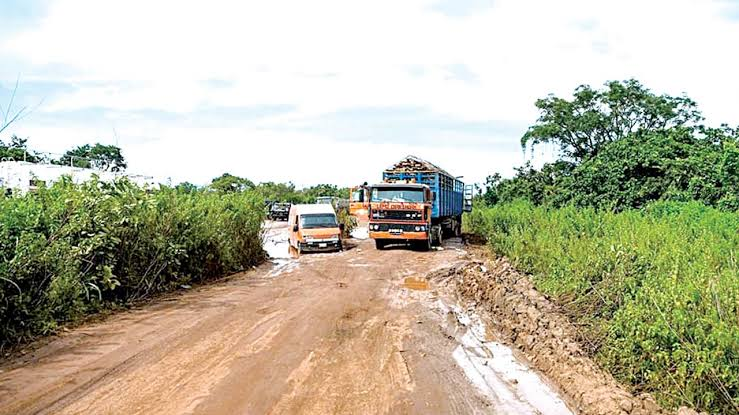
The Kogi haulage fees ban marks a major shift in Nigeria’s transport and tax system. The state government has stopped roadside levies and illegal collections. This move aims to ease trade and reduce transport costs. It also supports smoother business operations across the state.
Officials say the reform will improve logistics efficiency. In addition, it will benefit industries that rely on steady goods movement. These include construction and real estate sectors.
Government Ends Roadside Levies
Kogi State has banned all roadside revenue collection on highways. This decision follows Nigeria’s updated tax framework. The policy targets illegal charges that increase business costs.
Dr. Salihu Enehe, Executive Chairman of the Kogi State Internal Revenue Service (KGIRS), announced the directive in Lokoja. He explained that the new tax system forbids unauthorized collections on highways.
The reform also ends the sale of revenue emblems. Furthermore, it stops haulage fee collection along roads. These practices had faced strong criticism from transport operators.
Enehe warned that violators will face strict penalties. He described illegal collectors as economic saboteurs. Authorities will prosecute offenders under the law.
New Rules for Haulage Charges
Under the new system, officials will only collect haulage fees at approved locations. These include designated loading and off-loading points.
This approach aligns with national tax reforms. It also aims to eliminate multiple taxation across Nigeria. As a result, businesses can expect a more transparent system.
The government stressed that only authorized channels can collect taxes. Therefore, roadside checkpoints and informal payments are no longer allowed.
This policy creates a clearer structure for revenue collection. It also reduces confusion for transport operators.
The Kogi haulage fees ban could significantly improve the construction sector. Kogi serves as a key transport route between northern and southern Nigeria. Many building materials pass through the state daily.
These materials include cement, steel, roofing sheets, and aggregates. Previously, roadside levies caused delays and raised costs.
Now, transporters can move goods more freely. This change may reduce delivery time for construction projects. It could also improve supply chain efficiency.
However, material prices may still depend on other factors. Fuel costs and transport availability will continue to influence pricing.
Even so, industry stakeholders expect positive changes. Reduced bottlenecks can support faster project delivery.
Boosting Business Confidence and Trade
The policy supports a more predictable business environment. By removing illegal levies, the government aims to build investor trust.
Businesses often complain about multiple taxation in Nigeria. This reform addresses that concern directly. It lowers operational costs for manufacturers and logistics firms.
In addition, the policy promotes interstate trade. Goods can now move across Kogi without unnecessary delays.
Developers and investors may also benefit. A transparent tax system encourages long-term investment decisions.
Moreover, improved logistics can strengthen economic growth. It creates better conditions for both local and external investors.
Enforcement and Future Outlook
The success of the Kogi haulage fees ban depends on strict enforcement. Authorities must prevent the return of illegal checkpoints.
Collaboration will play a key role. Tax officials, security agencies, and transport unions must work together. This cooperation will ensure compliance across the state.
If enforcement remains strong, the benefits will grow over time. Businesses will enjoy smoother operations. Logistics networks will become more efficient.
Furthermore, the reform could serve as a model for other states. It shows how tax policies can support economic development.
Kogi State’s decision to remove roadside haulage fees represents a bold reform. It simplifies tax collection and reduces transport barriers.
The Kogi haulage fees ban will likely improve goods movement and lower logistics costs. It also strengthens the business environment across key sectors.
If properly enforced, the policy can transform supply chains. It may also boost investment in construction and real estate.
Ultimately, this reform positions Kogi as a more business-friendly state. It highlights the importance of efficient tax systems in driving economic growth.










Leave a comment