

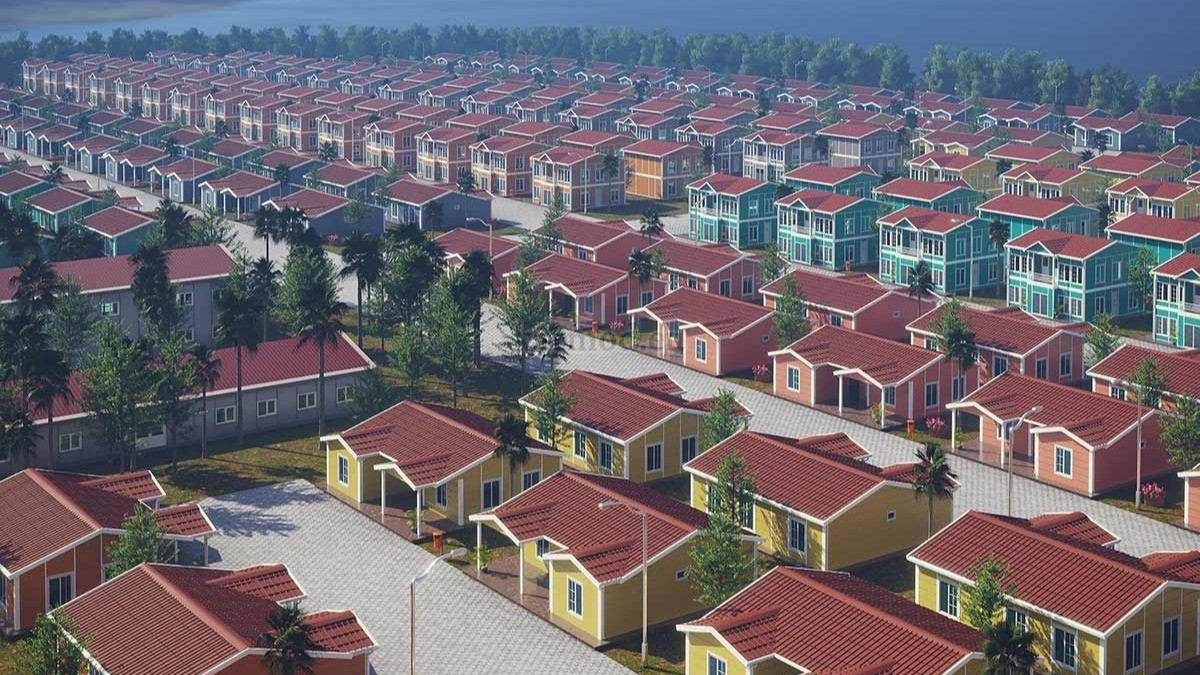
Scalable housing solutions Nigeria must adopt are now central to solving the country’s deepening housing crisis. Industry experts warn that traditional building methods can no longer meet demand. Rising costs, rapid urban growth, and affordability issues continue to stretch the housing market beyond its limits. As a result, stakeholders now call for smarter, faster, and more sustainable delivery systems.
Housing Delivery Needs a New Direction
Experts agree that Nigeria cannot rely on outdated development models anymore. Population growth and urban migration continue to rise sharply. However, housing supply has failed to keep pace.
Therefore, professionals urge developers to embrace scalable construction methods. These methods reduce costs and speed up project timelines. In addition, they improve efficiency without lowering quality.
Modern solutions include industrialized building systems and digital project management tools. These innovations help increase output while maintaining standards. As a result, developers can deliver more homes within shorter periods.
Ultimately, scalable housing systems can ease pressure on prices. They also support economic growth across the sector.
Public-Private Partnerships Are Critical
Collaboration remains a key factor in solving Nigeria’s housing shortage. Experts stress that no single sector can fix the problem alone.
Private developers bring funding, expertise, and execution capacity. However, government support remains essential. Authorities must improve land access, infrastructure, and approval processes.
Moreover, strong policy frameworks can create a stable environment for investment. This stability encourages developers to build at scale. It also improves access to affordable housing for low- and middle-income earners.
In addition, better coordination between stakeholders will reduce delays. It will also enhance overall project delivery.
Housing finance remains one of the biggest barriers in Nigeria’s real estate sector. Many Nigerians cannot access affordable mortgage options. This limits both demand and supply.
Experts now call for expanded mortgage systems and flexible financing models. These solutions will make homeownership more accessible. They will also attract private investment into housing development.
At the same time, technology plays a major role. Data-driven planning helps developers make better decisions. Alternative construction methods also reduce building costs.
As a result, combining finance and innovation can significantly boost housing supply. It can also improve affordability across different income levels.
Building Sustainable Housing Systems
Experts emphasize that housing goes beyond constructing buildings. True solutions must include infrastructure and community planning.
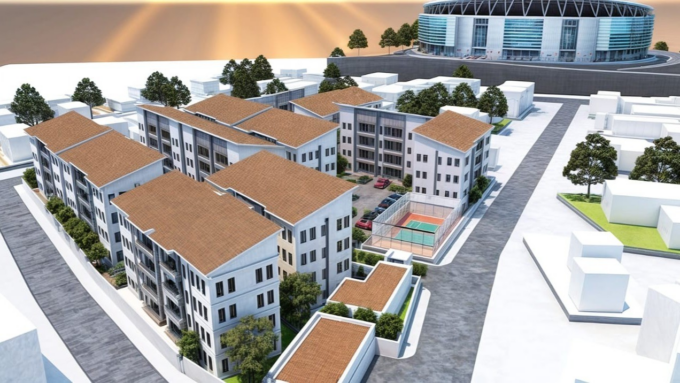
Integrated housing systems should include roads, transport, utilities, and social services. These elements create livable and sustainable communities.
Furthermore, proper urban planning ensures long-term growth and resilience. It also increases the value of housing developments over time.
Investors benefit from structured systems as well. Predictable frameworks improve confidence and reduce risk. This encourages more funding into large-scale housing projects.
Nigeria’s housing challenges will persist without bold and scalable action. Experts believe scalable housing solutions Nigeria must prioritize will reshape the future of real estate.
However, success depends on several factors. These include policy reforms, better financing options, and stronger partnerships. In addition, technology adoption must continue to grow.
If stakeholders act quickly, the country can close its housing gap. More importantly, it can provide affordable homes for millions. This shift will also strengthen urban development and economic stability nationwide.











Leave a comment