

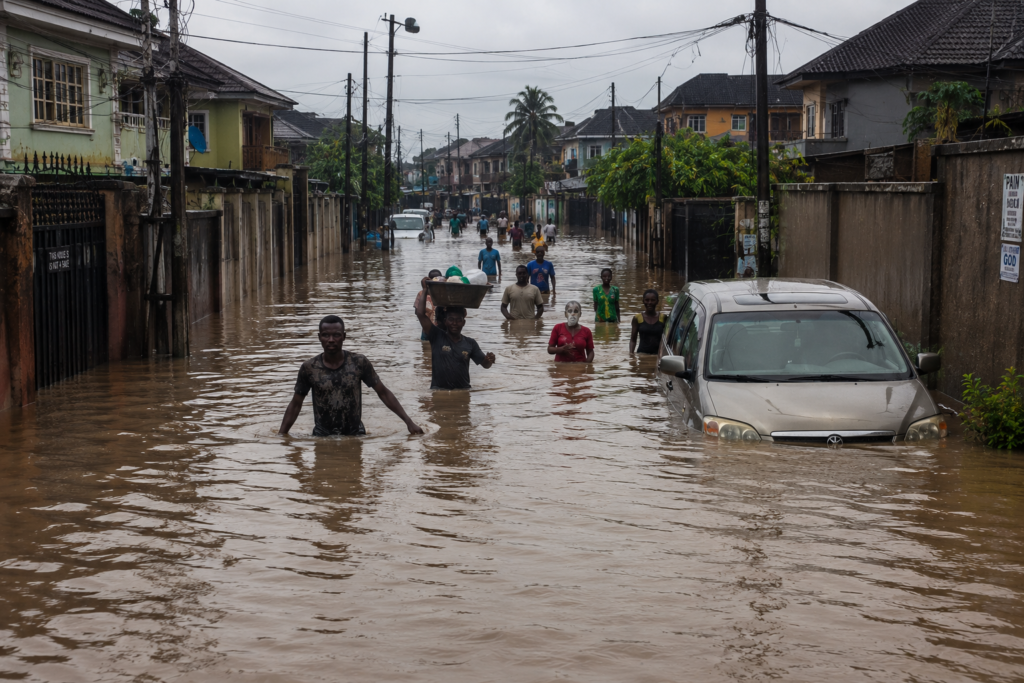
The issue of Lagos-Calabar Coastal Highway flooding has prompted swift action from the Federal Government. Authorities have now assembled key stakeholders to address rising concerns linked to flooding along the project corridor.
This move follows public debate over whether the highway contributes to flooding in parts of Lagos. However, government officials insist that engineering findings do not support such claims.
FG Convenes Stakeholders for Flood Solutions
The Federal Government has initiated a high-level meeting to tackle flooding concerns along the coastal highway. This engagement brings together federal agencies, lawmakers, environmental experts, and community leaders.
Moreover, the Federal Ministry of Works organized the meeting under the directive of President Bola Tinubu. This action followed a recent inspection of the highway by Minister David Umahi and members of the National Assembly.
Officials stated that the goal is clear. They want stronger collaboration, improved drainage systems, and long-term flood control strategies across the coastal corridor.
Multi-Agency Collaboration Takes Center Stage
Several institutions will participate in the discussions. These include the Senate and House Committees on Works, the Federal Ministry of Environment, and the Office of the Surveyor-General.
technical assessments show flooding existed before the highway project began.
In addition, the Lagos State Government and community representatives will also attend. Landlords’ associations and other stakeholders are expected to contribute valuable insights.
The meeting will focus on sustainable flood management. It will also address environmental protection and infrastructure resilience.
Importantly, authorities aim to adopt a unified approach. They want coordinated planning instead of fragmented interventions.
Umahi Dismisses Flooding Allegations
Minister of Works David Umahi has strongly rejected claims linking the highway to flooding in Lagos. During the inspection tour, he explained that the project includes modern drainage infrastructure.
According to him, the design features culverts, embankments, and effective drainage channels. These systems are meant to improve water flow and reduce flood risks.
Furthermore, Umahi identified the real causes of flooding. He pointed to blocked drainage systems, poor waste disposal, and construction on natural waterways.
He also revealed ongoing collaboration with the Lagos State Government. This includes dredging activities and environmental clean-up efforts in flood-prone areas.
Members of the National Assembly have backed the ministry’s position. They confirmed that technical assessments show flooding existed before the highway project began.
Additionally, lawmakers urged Nigerians to rely on verified data when evaluating infrastructure projects. They emphasized the importance of science-based conclusions.
They also called for better environmental practices. Regular drainage maintenance and proper waste disposal remain critical to reducing flooding across Lagos.
Flood Management Key to Infrastructure Success
Experts continue to stress the importance of flood resilience in major infrastructure projects. Coastal cities like Lagos face increasing risks due to climate change.
Therefore, proper drainage systems and environmental compliance are essential. These measures protect housing, roads, and commercial investments from damage.
Urban planners also highlight the need for coordinated land-use policies. Strong collaboration between agencies will improve sustainability and long-term performance.
The Federal Government’s response to Lagos-Calabar Coastal Highway flooding concerns reflects a broader commitment to sustainable infrastructure development. By engaging stakeholders, authorities aim to balance progress with environmental protection.
As construction continues, ongoing collaboration will remain vital. Experts believe this approach will strengthen flood mitigation efforts and build public trust in the project.
Ultimately, the success of the highway depends on both engineering excellence and responsible environmental management.











Leave a comment