


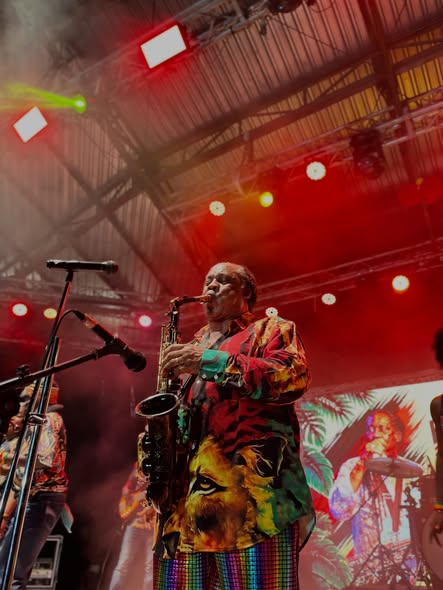
The school debate came first. Before the saxophones, before the masquerades, before Femi Kuti took the stage at the New Afrika Shrine and the crowds filled Freedom Park on Lagos Island, the festival began with children arguing. On 7 October 2026, secondary school students gathered at Freedom Park for a debate that opened Felabration 2026, the annual commemoration of Fela Anikulapo-Kuti’s life and music . It was a fitting start. Fela was a debater in his own way, a man who argued with the state for decades and refused to lower his voice.
The theme this year was “Who Are You?”, a question Fela asked in 1971 and never stopped asking. It hung over the week like a challenge: to the artists, to the audiences, and to a nation that has still not answered the questions Fela spent his life posing . The festival ran from 12 to 18 October, with the New Afrika Shrine in Ikeja serving as the home base and Freedom Park on Lagos Island hosting its own parallel programme under the banner “Underground System 5”.
Two Venues, One Spirit
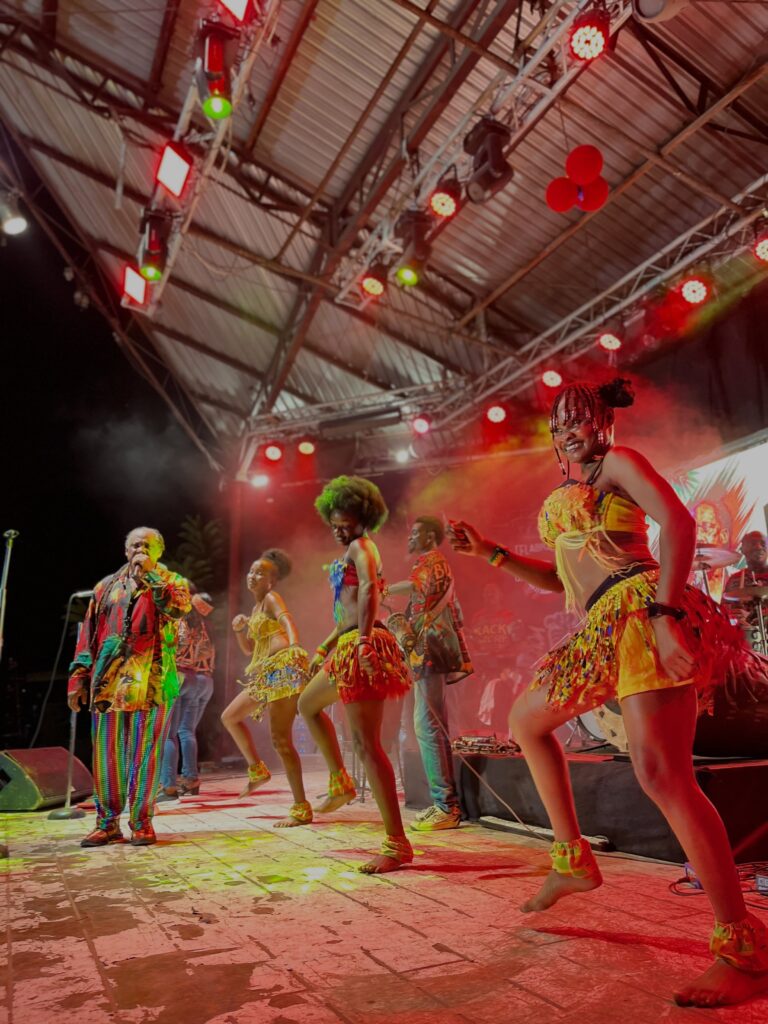
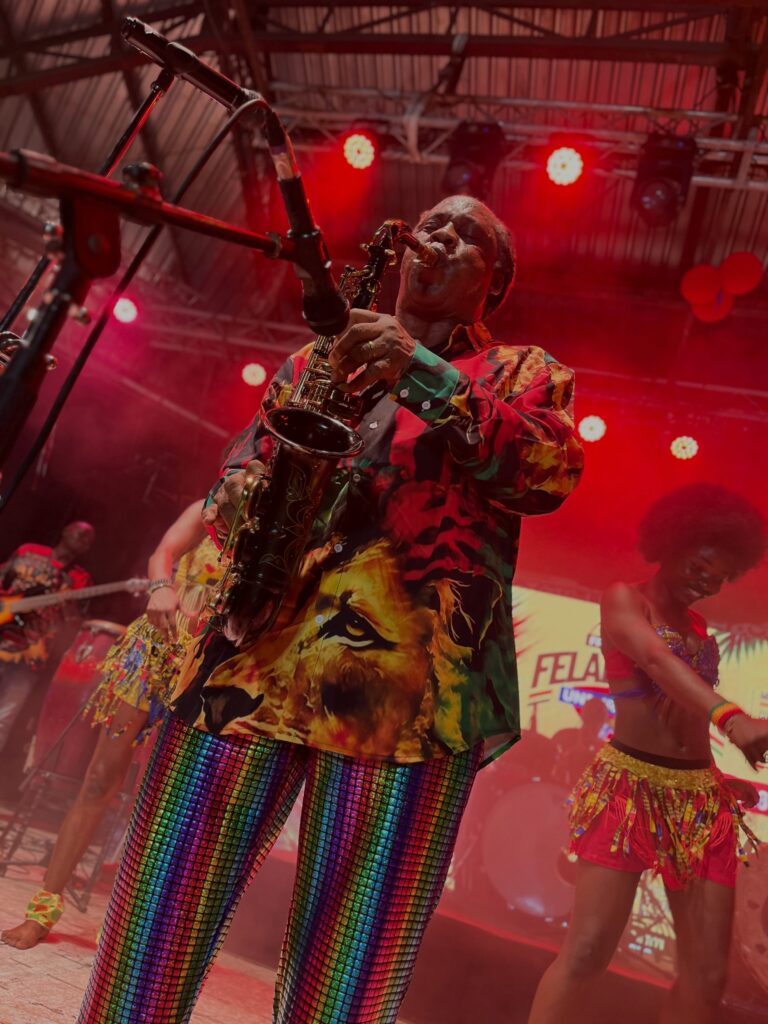
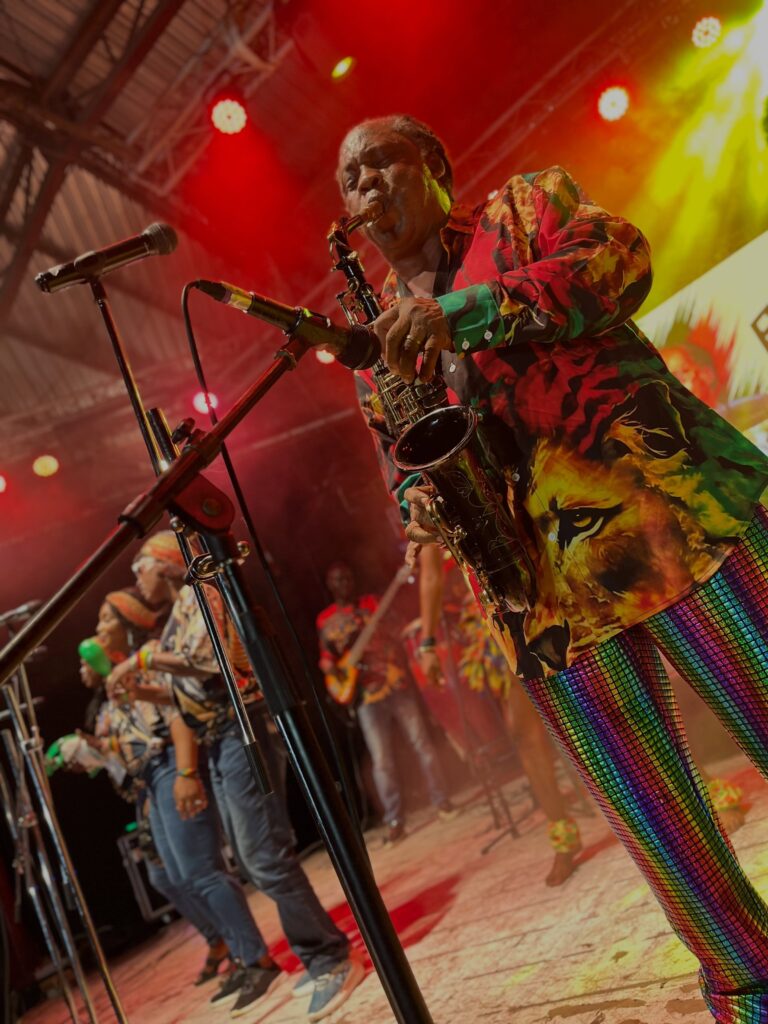
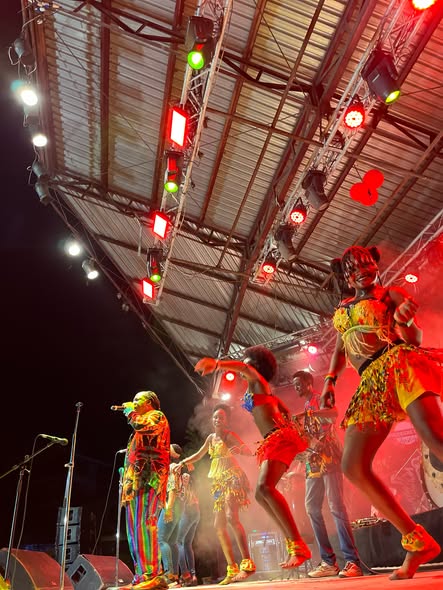
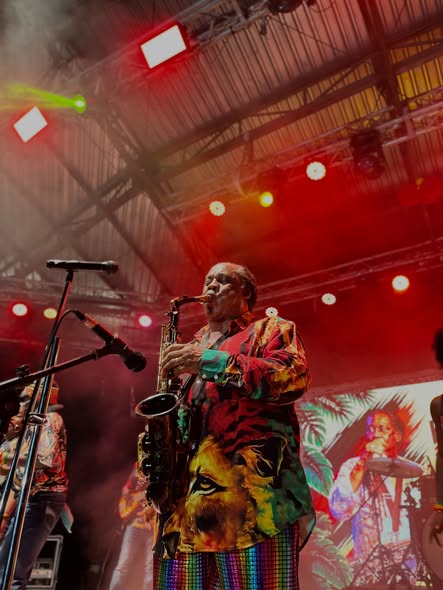
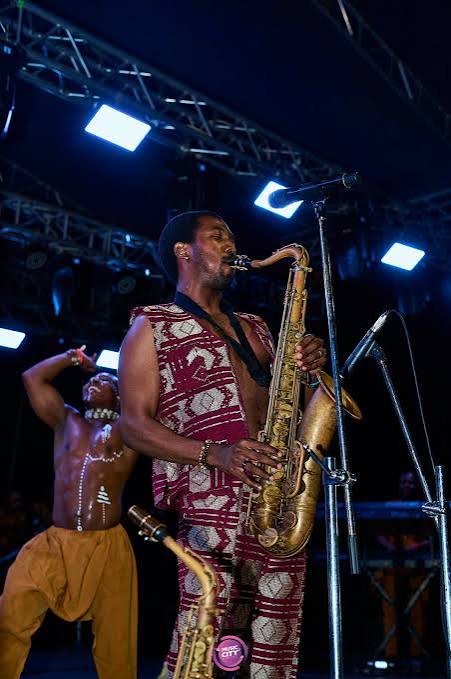
What made Felabration 2026 distinctive was its simultaneous life across two venues. At the New Afrika Shrine, the Kuti family held court. Femi Kuti and the Positive Force performed nightly, their saxophones cutting through the Lagos night. Opening acts like Akin Ajayi, Ayorhskyfire and Adeola Tenor warmed the crowd before the main event . The Kings and Queens Art Academy, organised by Yeni Kuti, added a visual dimension .
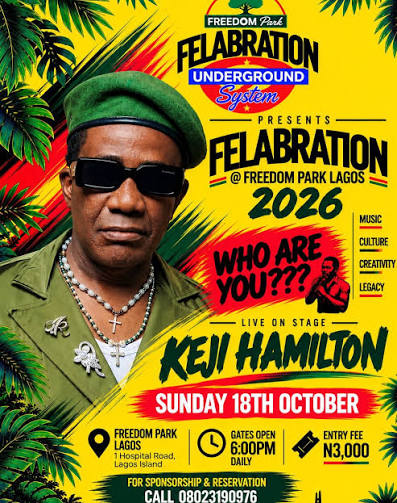
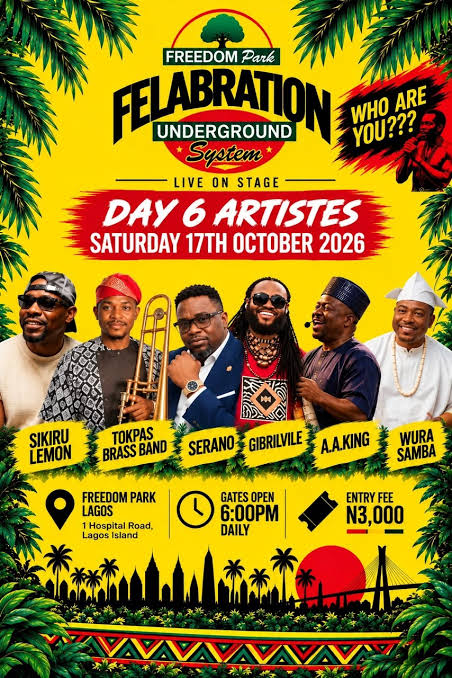
Across the city, Freedom Park staged its own seven-night programme. The former colonial prison turned cultural space hosted themed evenings that traced the roots of Fela’s music: highlife, jazz, juju and fuji, reggae, and Afrobeat itself . Veteran saxophonist Dede Mabiaku, a Fela protégé, led the closing night alongside Keji Hamilton, a former Egypt 80 keyboardist . The park also introduced a Gen Z Zone at the Amphitheatre, a deliberate gesture toward the generation that never saw Fela live but inherits his influence .
The two venues were not competitors. They were two lungs breathing the same air. The Shrine is the temple, the place where Fela’s spirit is most concentrated. Freedom Park is the public square, the place where his music meets the broader culture. Together, they made the festival a city-wide event rather than a single-venue concert.




The Final Weekend
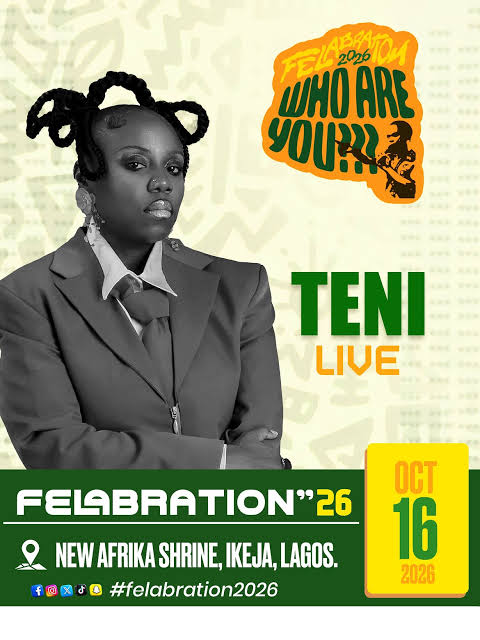
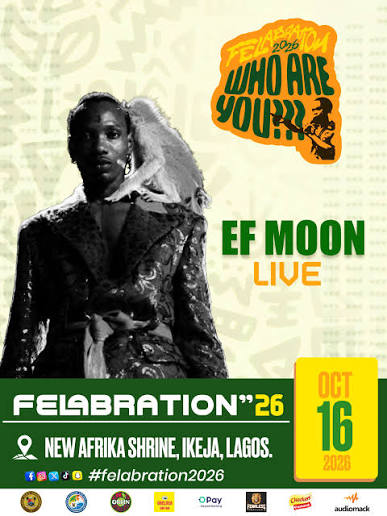
The closing weekend brought the full weight of the festival’s ambition. On Saturday, 17 October, Daddy Showkey, Peruzzi, L.A.X and Barry Jhay performed at the Shrine . The following night, Femi Kuti returned for the finale, joined by Kcee and Sean Tizzle . The concert ran into the early hours of Monday. One attendee, Charles Amoebi, told the News Agency of Nigeria: “Watching Femi perform was special because he continues to carry his father’s Afrobeat legacy forward. It was a fitting tribute to Fela, whose music and message remain relevant” .
But the finale was more than a concert. Kcee’s performance, which included masquerades, brought a traditional element into the Afrobeat space, a reminder that Fela’s music was always rooted in African forms even as it drew from jazz and funk . The juxtaposition was not incongruous. It was the point.




The Legacy and the Question
Fela died in 1997. He did not live to see the Nigeria he warned about become the Nigeria that exists, nor the Nigeria he dreamed of become real. But his music did not die with him. It travelled. It influenced artists across Africa, Europe and the United States. Burna Boy, Davido, Tems and Rema carry his fingerprints, sometimes without knowing it.
Felabration, conceived by Yeni Kuti in 1998, has grown from a memorial into a cultural institution . It has hosted Hugh Masekela, Lucky Dube, King Sunny Ade, Asa and Sauti Sol. In 2008, over 50 international artists performed under the African Express banner. The festival is not a local event with local ambitions. It is a global gathering with a local root.
For Nigerians in the diaspora, Felabration is a pilgrimage. It is a return to a source, a chance to stand in the Shrine where Fela stood and hear the music that shaped their parents’ lives. For their children, born in London or Houston or Atlanta, it is an introduction to a grandfather they never met.
Conclusion: The Question Still Stands
On 15 October, Fela would have been 88. The Shrine was full. The saxophones were loud. The debates were held. The dancers competed. And somewhere in the crowd, a young Nigerian, home from London or Houston or simply from the other side of Lagos, heard “Who Are You?” and understood that the question was meant for them.
Felabration 2026 did not answer the question. It never does. It simply asks it again, year after year, until someone listens.








Leave a comment