


By Culture & Lifestyle Desk

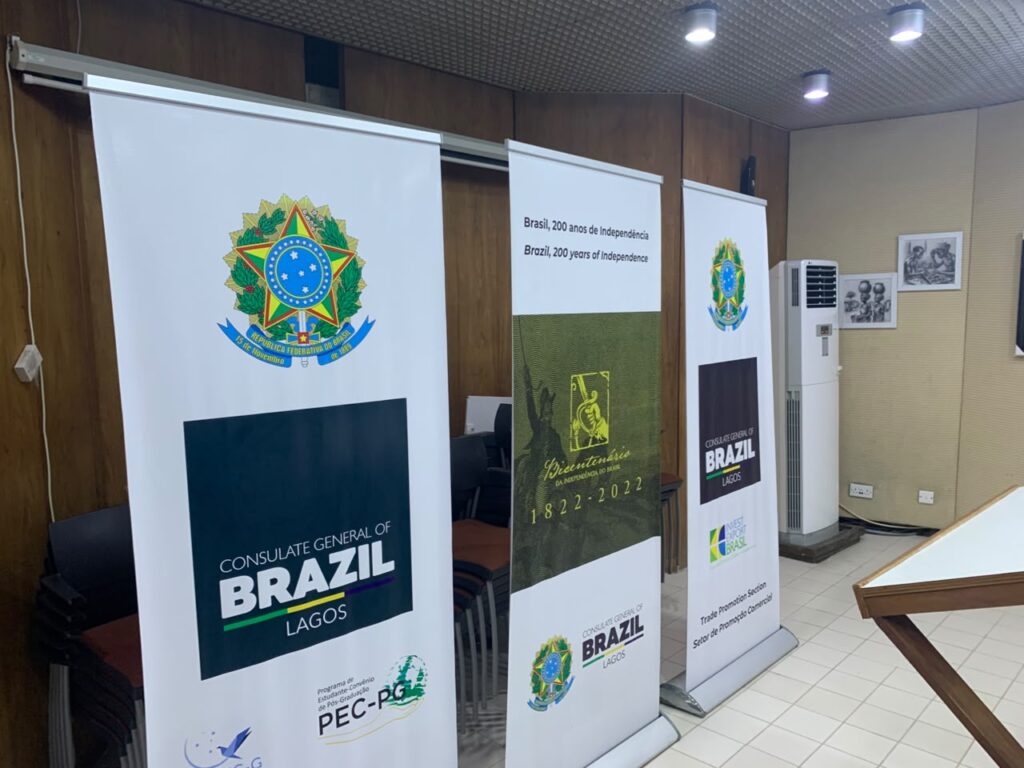
When the doors of the Brazilian Consulate-General in Lagos opened on September 29, guests did not walk into a conventional gallery. They walked into a statement. The walls held artworks fashioned from discarded plastic, old newspapers, abandoned fabric, and other potentially dangerous materials became immune to the destroying human existence
They were all reborn as painting, sculpture, and mixed-media installation under the theme “Waste to Wealth.”
The exhibition, curated by Nike Art Gallery in collaboration with the Consulate-General of Brazil in Lagos, is more than an environmental gesture. It is the latest chapter in a cultural conversation that stretches back two centuries across the Atlantic, a conversation rooted in the transatlantic slave trade, carried forward by the Aguda community of Lagos, and now reanimated under the diplomatic umbrella of BRICS.
The Idea Behind the Exhibition
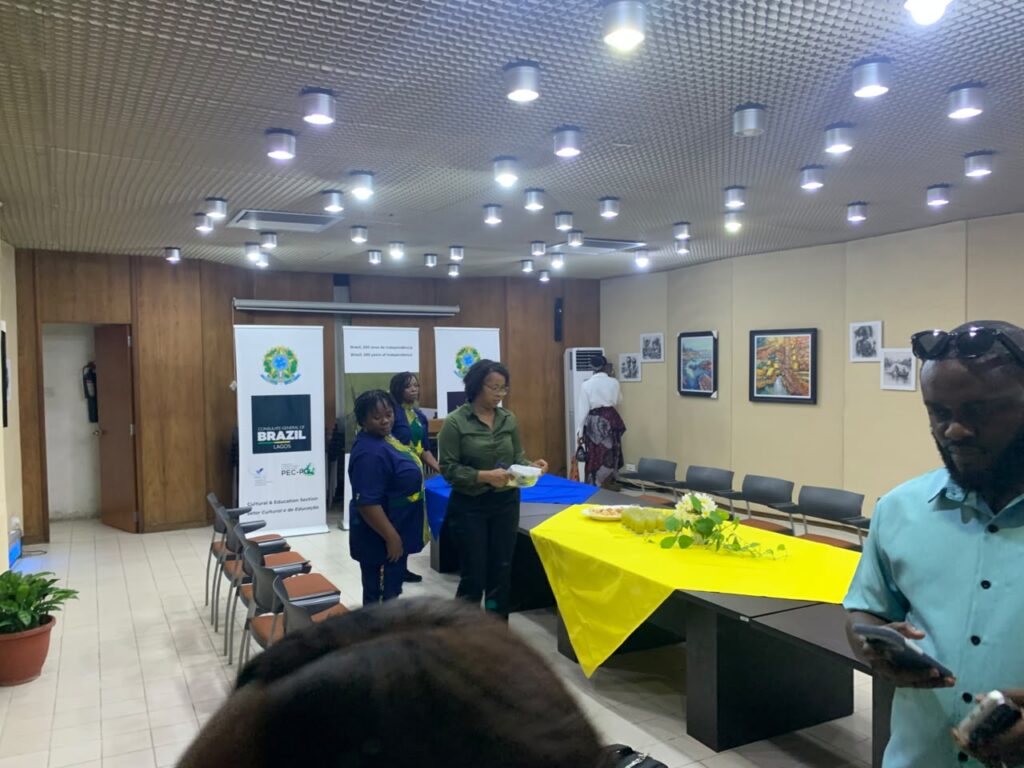
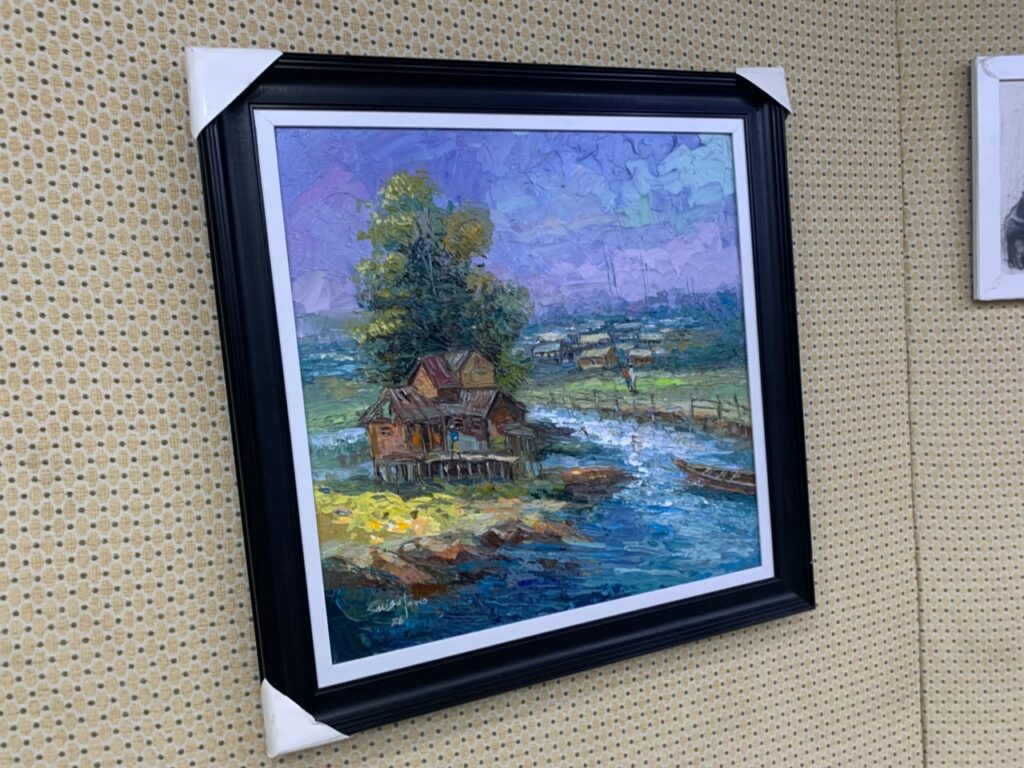
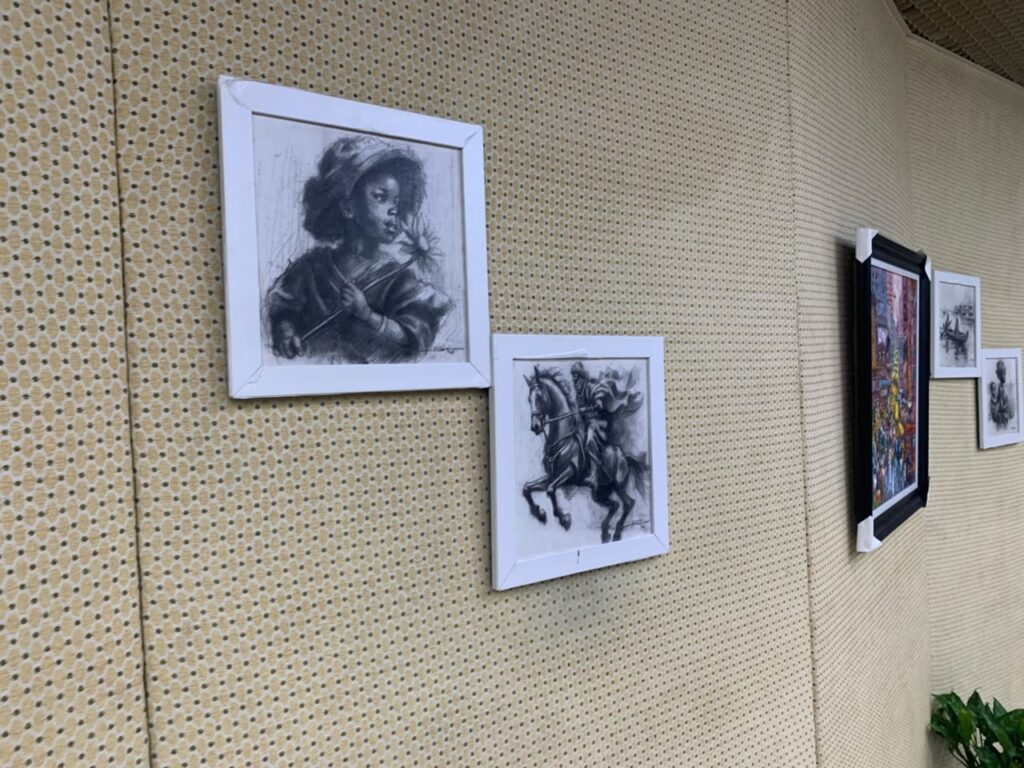
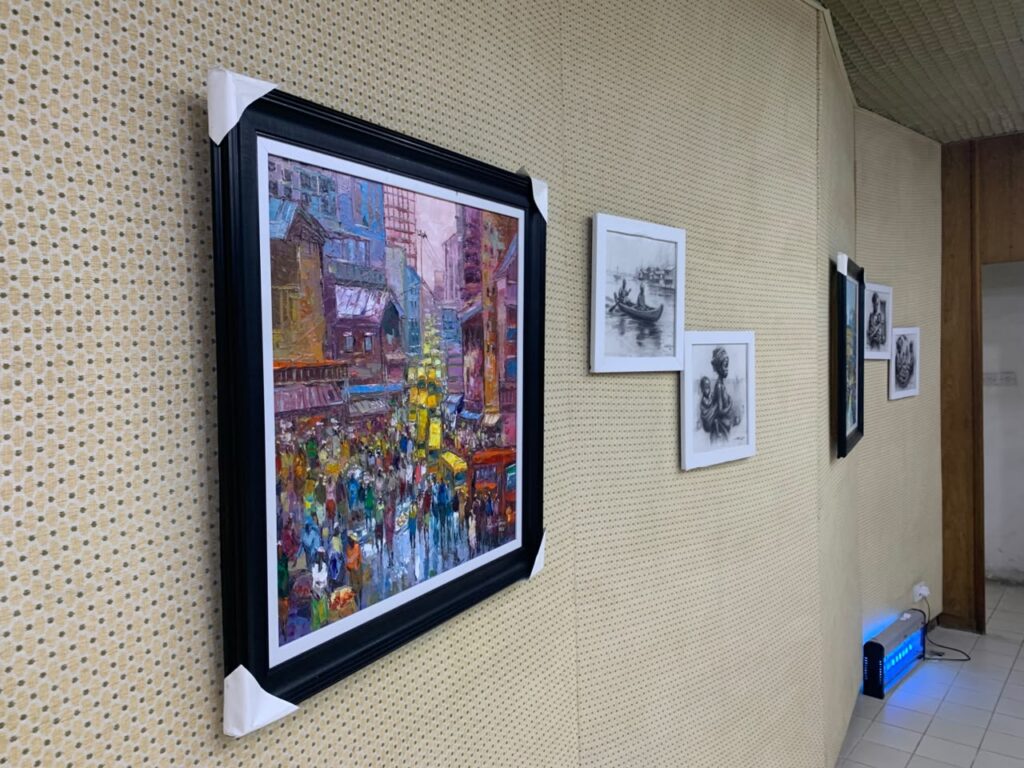
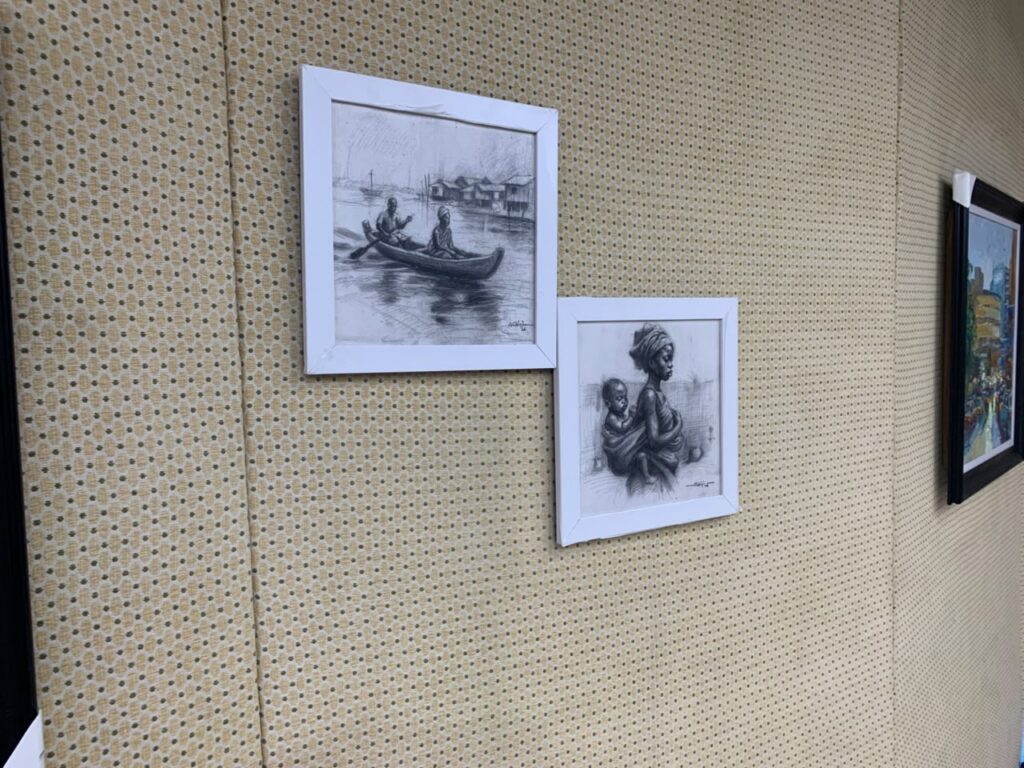
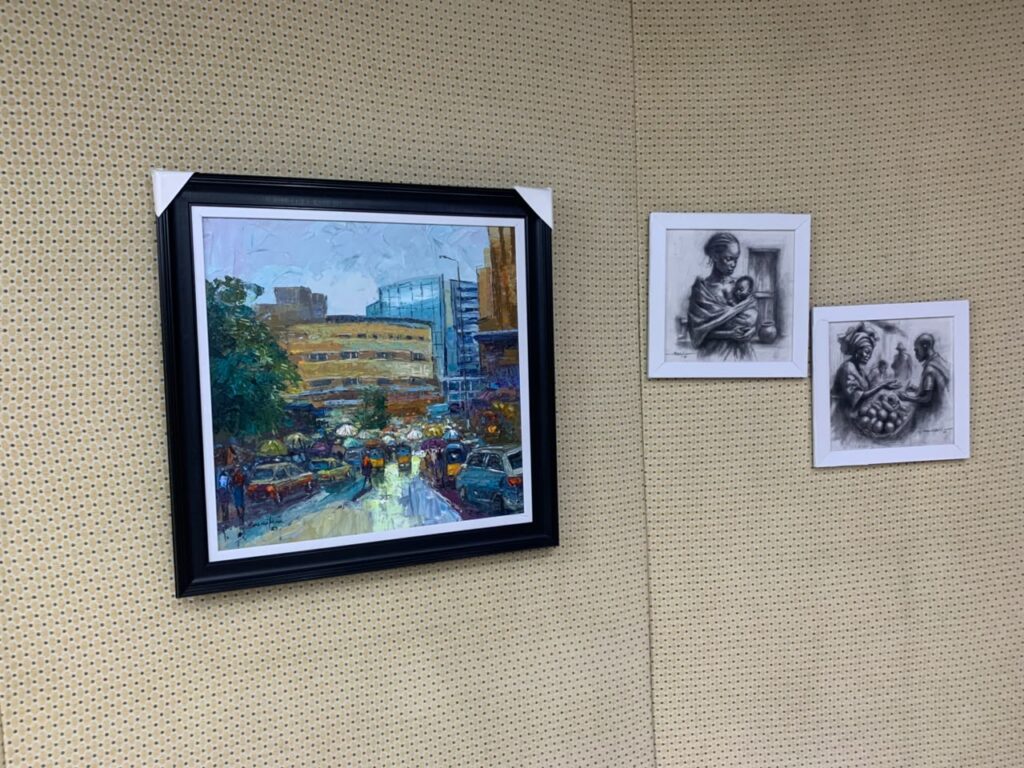
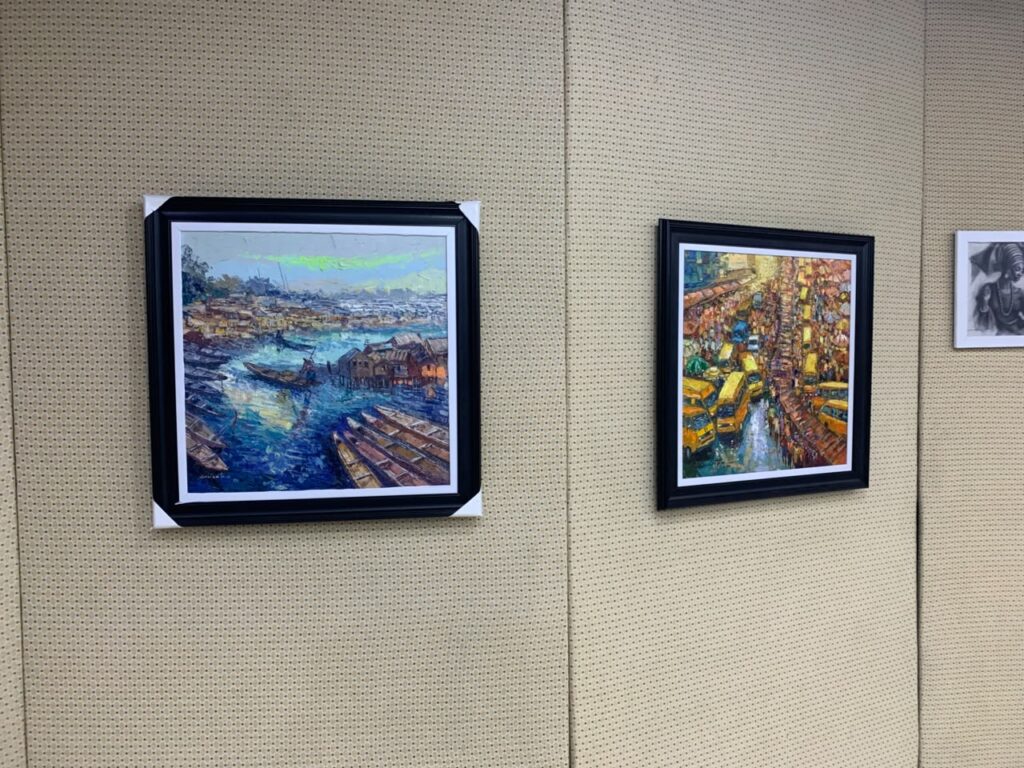
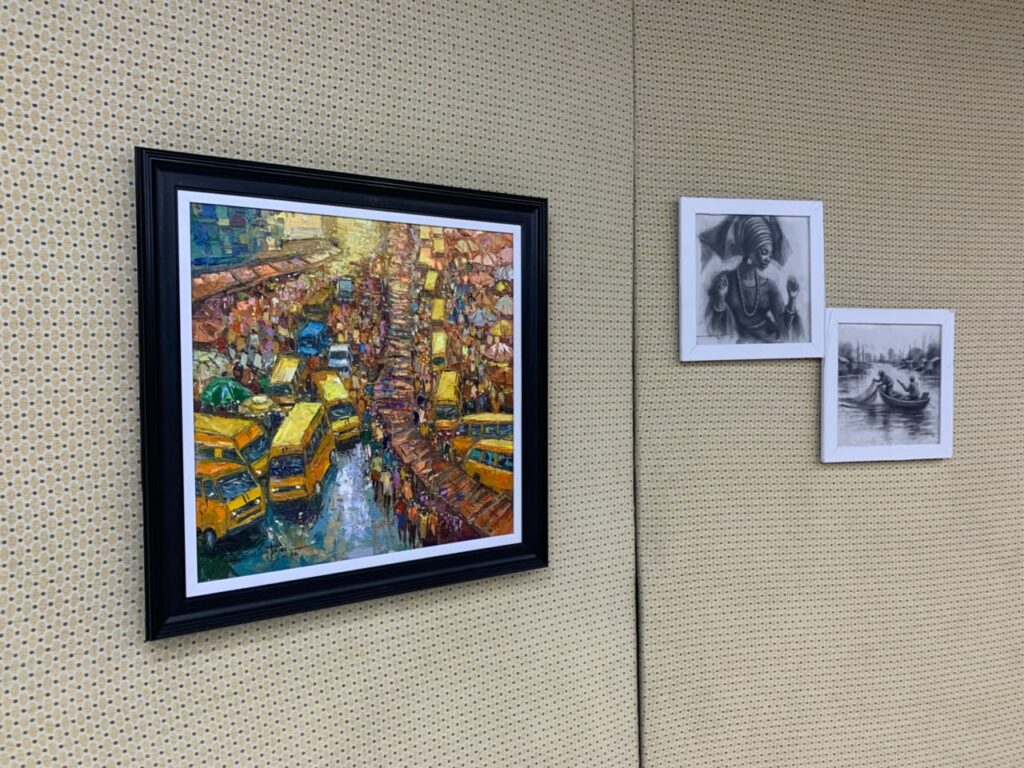
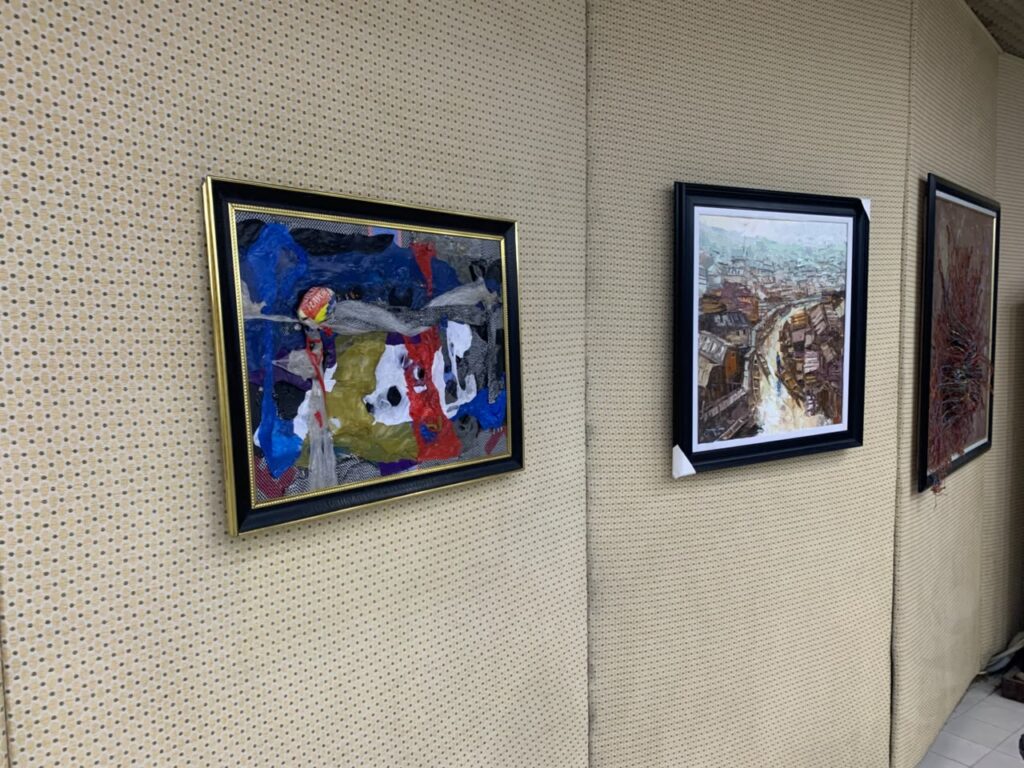
The concept is deceptively simple. If sustainability and ecology are among the most pressing issues facing humanity today, they should also have a place in the world of art. Environmental discussions are often associated with governments, scientists, businesses, and international organisations. Yet artists, as the Brazilian envoy noted at the opening, have a unique role to play.
Through creativity, imagination, and beauty, artists can inspire reflection, provoke new thoughts, and encourage new ways of thinking about our relationship with the world. Brazil believes that the fight against climate change requires not only public policies and international agreements, but also the active participation of society as a whole.
“Every person has a different way of making a difference. Some contribute through science, others through education, entrepreneurship, community service, or public policy. Artists contribute through their ability to transform ideas into emotions and messages that touch people’s hearts and minds,” the Brazil Consul General in Lagos, Dr. Ronaldo Vieira, stated.
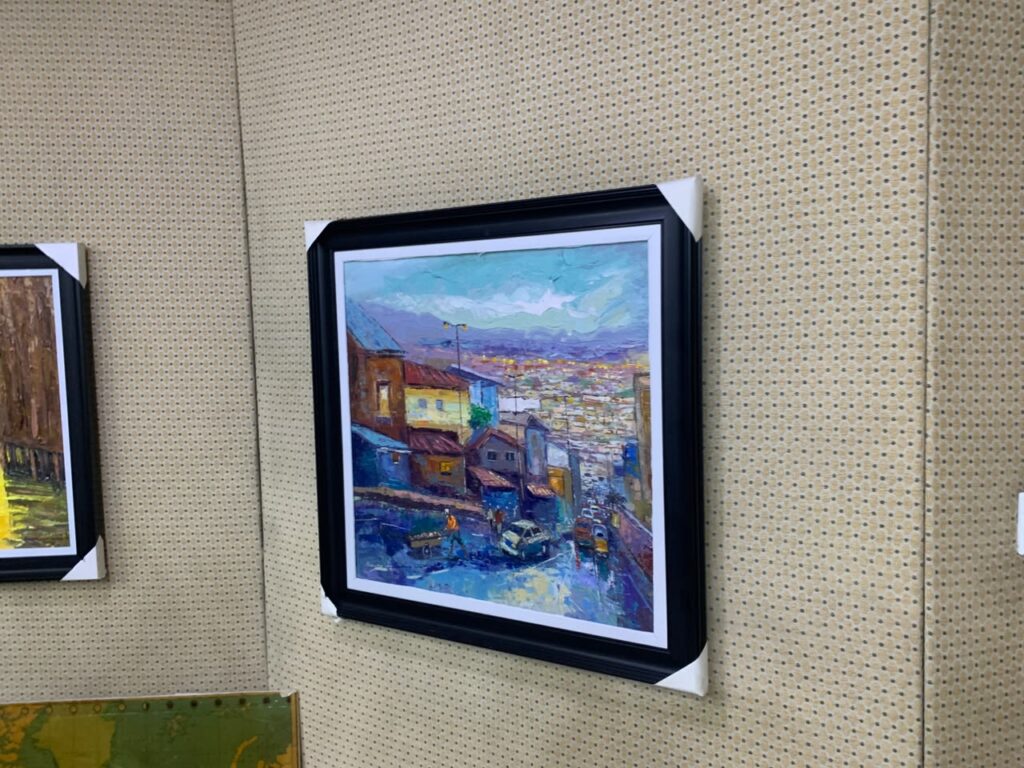
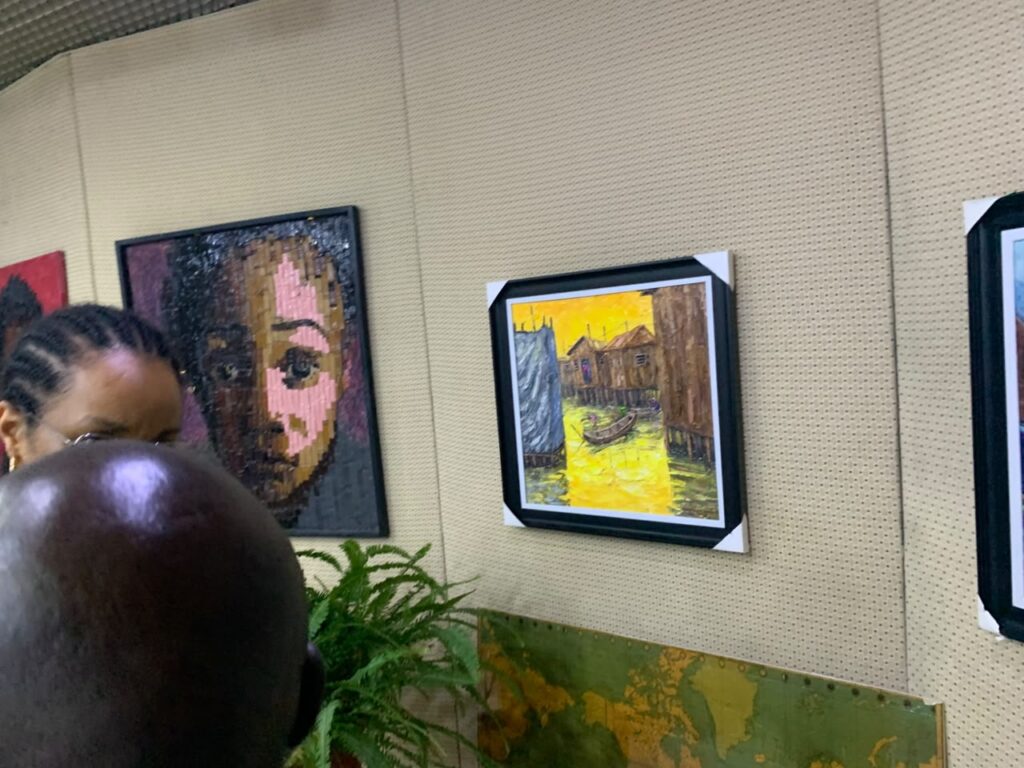
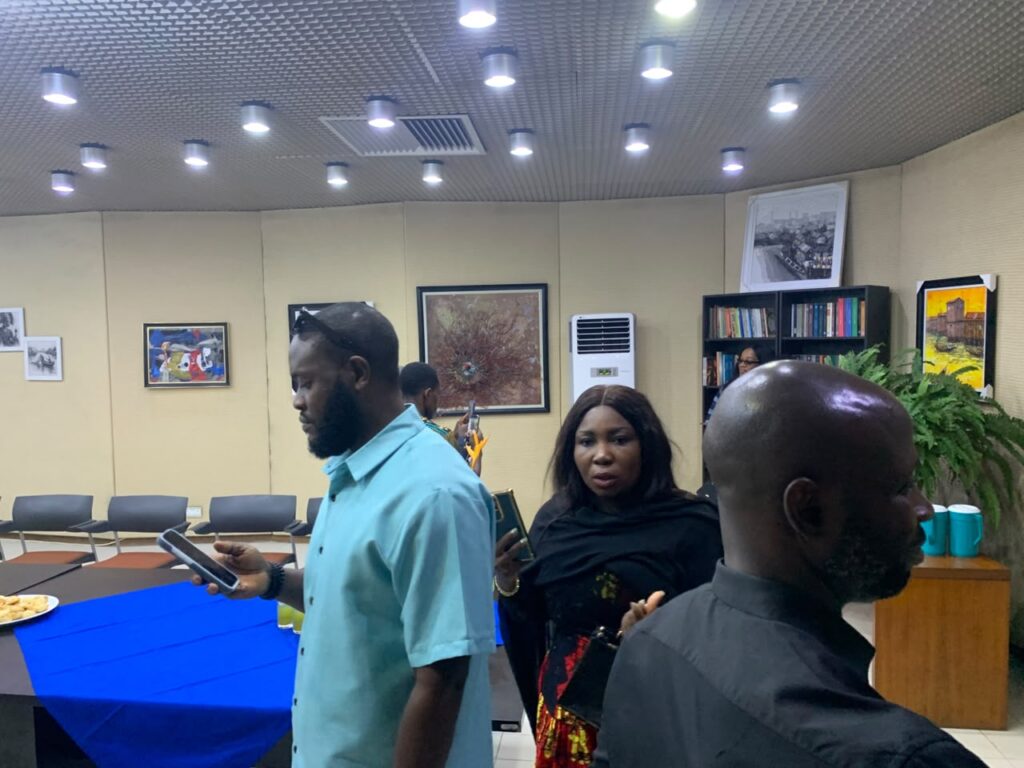
Walking through the exhibition, one noticed that many of the remarkable pieces were created using materials that had once been discarded materials that had become waste and were destined to remain in the environment as trash. Others were paintings that reflect on love, motherhood, environment and city living.
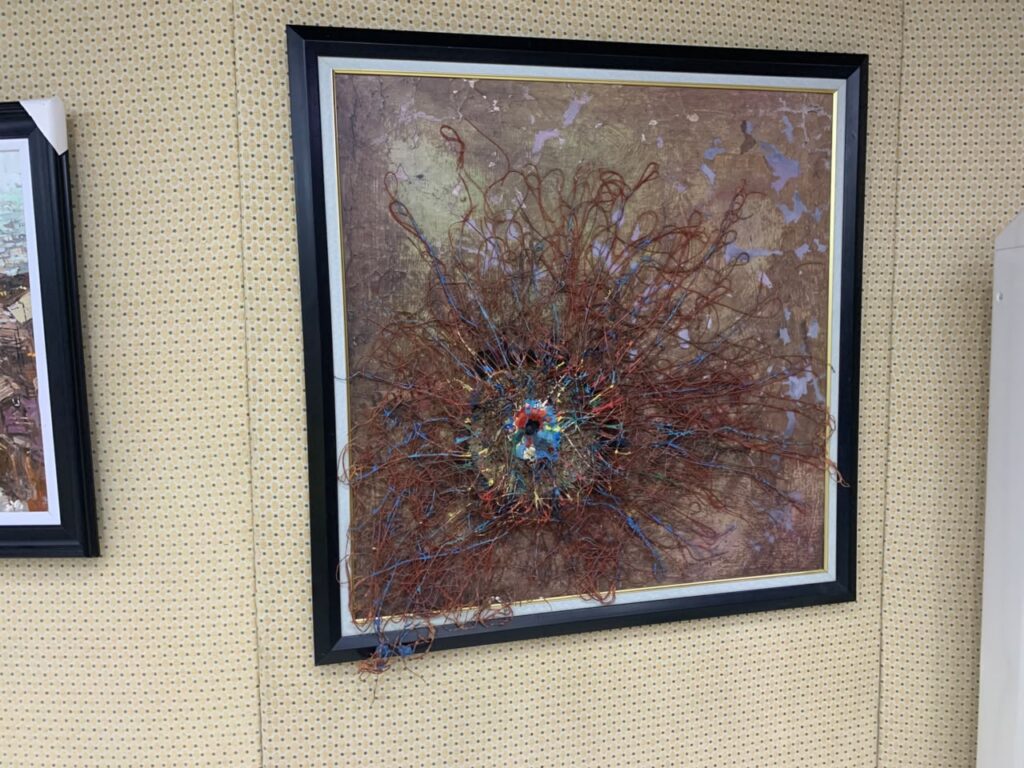
Madam Nike Okundaye, the doyenne of Nigerian art and founder of Nike Art Gallery, demonstrated how everyday disposables and potentially dangerous materials were redeployed for painting and sculpture, and even wool to produce media and mixed-media works.
Her remarks at the opening carried the warmth of a matriarch and the authority of a cultural institution. She thanked the Brazilian Consulate for the cooperation between Nigeria and Brazil. “We have always been together,” she said. “In Oshogbo, we have the old Brazilian houses. And you know in Lagos too, they do have, and we want them to rebuild it.” She described the Consul as a son who “has always been our son, our pride,” referencing the enduring familial ties that bind the two nations. “He may look white in colour, we are one. But he has always been the bridge between Nigeria and Brazil.”
She paused to acknowledge a work on the wall of the Brazillian Consulate by Adebisi Fabunmi, an artist who has passed away, and spoke of her commitment to repairing it whenever it begins to fall apart, a quiet metaphor for cultural preservation. Fabunmi’s work was an intricate loom of recycled wool and fabric designs listening to the echoing Portuguese, Yoruba and English language in the room.
Reflecting on agrarian connections between Nigeria and Brazil, Okundaye noted with pride that Nigeria is now the largest producer of cassava in the world, a crop that came from Brazil. “So we have some collaboration to do,” she said.
The Aguda: A Living Bridge
To understand why an exhibition like this matters, one must trace the historical thread that connects Lagos to Bahia, Recife, and Salvador. In the 19th century, freed Africans returning from Brazil, known in Lagos as the Aguda, or “Brazilians,” formed one of the most distinctive migrant communities in West African history.
By 1852, a small group of 29 returnees had arrived in Lagos. By 1871, the Brazilian-born population was estimated at 1,237. By 1881, it had grown to 2,732. By the end of the 19th century, it was said that one in every seven residents of Lagos hailed from Cuba or Brazil.
These returnees did not arrive empty-handed. They brought with them architectural techniques, musical traditions, culinary practices, and Catholic devotion. They settled in what became known as the Brazilian Quarter, stretching from Tinubu Square to Faji Market, with streets named after community figures like Pedro, Martins, and Bangloose. Some of these names were also an offshoot of deep catholic influence, as some converted, became baptised and changed their names to Brazillian names without roots to the Black Atlantic.
Their influence on Lagos culture was profound and lasting. The samba drum they introduced is still made by carpenters rather than specialist instrument makers. It became the foundation of Asida music, a genre that dominated weddings, vigils, and social gatherings in early 20th-century Lagos. The Caretta and Fauri carnivals, now fixtures in the city’s cultural calendar, trace directly to Aguda Easter celebrations, retaining the Brazilian colours of yellow and green.
In 2026, robust and deeply organised Lagos families with intrinsic and extrinsic roots from Brazil formed the Brazilian Descendants Association. A part of the gathering were members of the Brazil Descendants Association, a group of Lagosians with deep roots from Brazil.
When Madam Nike stood in the Brazilian Consulate and expressed surprise at seeing her own work on those walls, “I said, wow. When I was coming, I said, how did this one get here? This is a big surprise.” She was experiencing the latest iteration of a relationship that has never been merely diplomatic. It has been familial, artistic, and spiritual.
A Short History of the Association
The Brazilian Descendants Association (BDA) in Lagos is the custodian of one of West Africa’s most unique cultural legacies: the history of the “Agudas”. These were emancipated Afro-Brazilian slaves who repatriated to Nigeria in the 19th century.
When freed Brazilian captives returned to Lagos starting in the 1830s and 1850s, the Oba of Lagos granted them land on Lagos Island. This enclave became known as Popo Aguda or the Brazilian Quarters. These returnees, including prominent families like the da Rochas, Peregrinos, Medicos, and Ferreiras, brought back distinct architectural styles, tailoring skills, Catholic traditions, and Portuguese-infused cuisine (like frejon).
To protect this distinct identity from fading into broader Nigerian culture, the community formed the Union of Brazilian Descendants of Lagos (which evolved into the modern Brazilian Descendants Association).
BRICS and the Strategic Turn
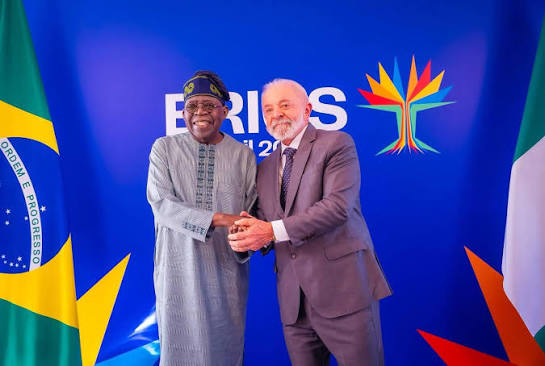
The timing of the exhibition is significant. In July 2025, President Bola Tinubu met with President Luiz Inácio Lula da Silva on the sidelines of the BRICS Summit, where both leaders reaffirmed their commitment to deepening bilateral ties. Nigeria is one of ten BRICS partner countries, and Brazil regards Nigeria as its most important partner in Africa.
During Lula’s state visit in August 2025, the two nations signed five new agreements covering culture, air services, science and technology, and political dialogue. Lula emphasised that Nigeria and Brazil are the two largest Black populations in the world, with enormous potential for synergy. He announced the approval of direct flights between Lagos and São Paulo, to be operated by Air Peace, describing the encouragement of cultural and historical exchange as key to deepening the partnership.
Concrete cultural cooperation has followed. In March 2026, the National Institute for Cultural Orientation (NICO) and Brazilian Ambassador Carlos Garcete announced a partnership to host the World Orisha Congress (WOOCON), projected to become the largest global cultural gathering of its kind.
With approximately 56 percent of Brazilians claiming African ancestry, the Brazilian government has placed a premium on cultural ties with Nigeria. WOOCON is expected to be chaired by the Ooni of Ife, co-chaired by the Alaafin of Oyo, with Nobel laureate Wole Soyinka and scholar Wande Abimbola as patrons. The plan is to hold the congress two to three times a year in Nigeria, allowing descendants of Orisha traditions worldwide to return to their spiritual source.
Lemon Tea and Cassava Bread: The Diplomacy of Taste
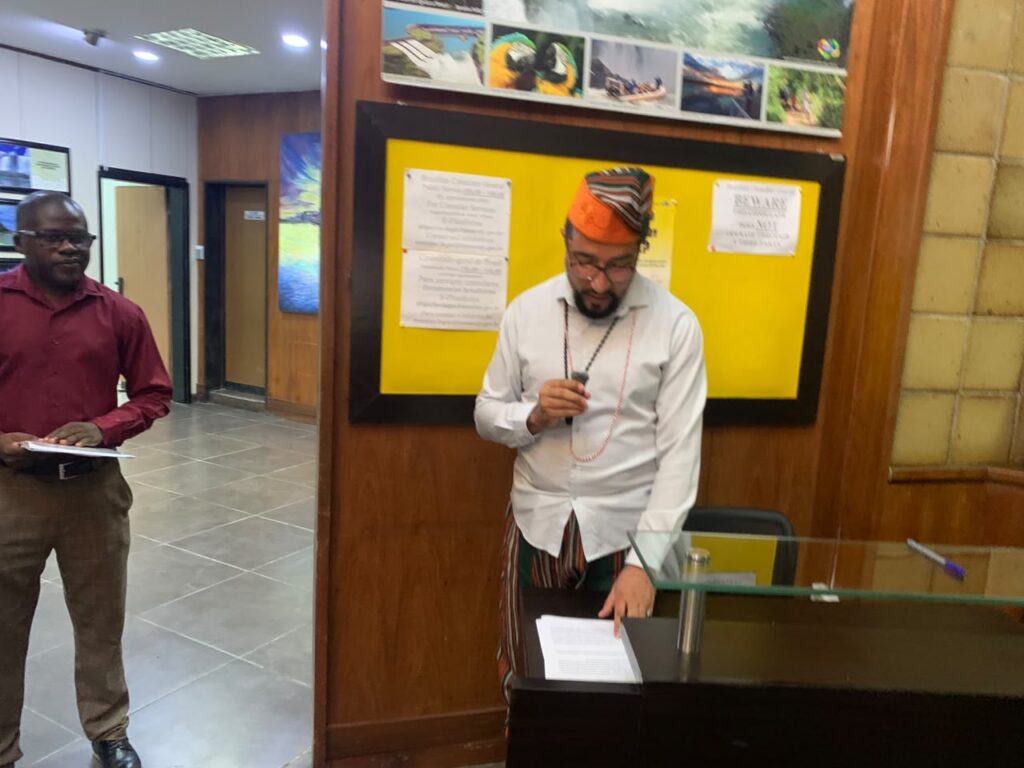
After the speeches, prayers were made by Oba Adekunle Sangokunle Awurela, a Yoruba King in Brazil. The Brazilian Consulate treated guests to lemon tea and cassava bread. The choice was not incidental.
Cassava, or manioc, is indigenous to South America and was brought to West Africa through the same transatlantic networks that carried enslaved Africans to Brazil. It is now a staple across Nigeria and, as Madam Nike noted, Nigeria has become the world’s largest producer.
The lemon tea and cassava bread were more than refreshments. They were a sensory reminder of the entangled histories that bind the two nations — a culinary echo of the botanical, musical, and architectural exchanges that have shaped both societies. To eat cassava bread in a Brazilian consulate in Lagos is to taste the circularity of history.
The Diplomatic Message
The “Waste to Wealth” exhibition carries a diplomatic message that extends beyond aesthetics. Brazil is signalling that its relationship with Nigeria is not confined to trade statistics or diplomatic communiqués. It is a relationship grounded in shared heritage, mutual cultural influence, and a joint commitment to sustainability.
For Nigeria, the exhibition offers an opportunity to showcase the depth of its artistic tradition, not as a peripheral cultural export, but as a central element of its international identity. Nike Art Gallery, with its global reputation and its network of artists, is an ideal vehicle for that message.
For Brazil, the exhibition reinforces its position as a nation that takes its African heritage seriously not merely as a historical fact, but as a living, breathing dimension of its contemporary identity. In a world where cultural diplomacy is increasingly recognised as a pillar of soft power, Brazil’s engagement with Nigeria through art, cuisine, and shared history is a model of how nations can build relationships that endure.
Conclusion
As the artworks remain on display for three months — open to the public from Monday to Friday, 11am to 4pm, with weekend visits by special arrangement — they will continue to provoke reflection. They will ask viewers to reconsider what is waste and what is wealth, what is discarded and what is treasured, what is foreign and what is family.
And they will remind anyone who walks through the Consulate-General of Brazil in Lagos that the distance between Nigeria and Brazil is not measured in nautical miles. It is measured in shared memory, in the rhythm of the samba drum, in the taste of cassava bread, and in the enduring conviction that art — like the people it represents — can be reborn.








Leave a comment