

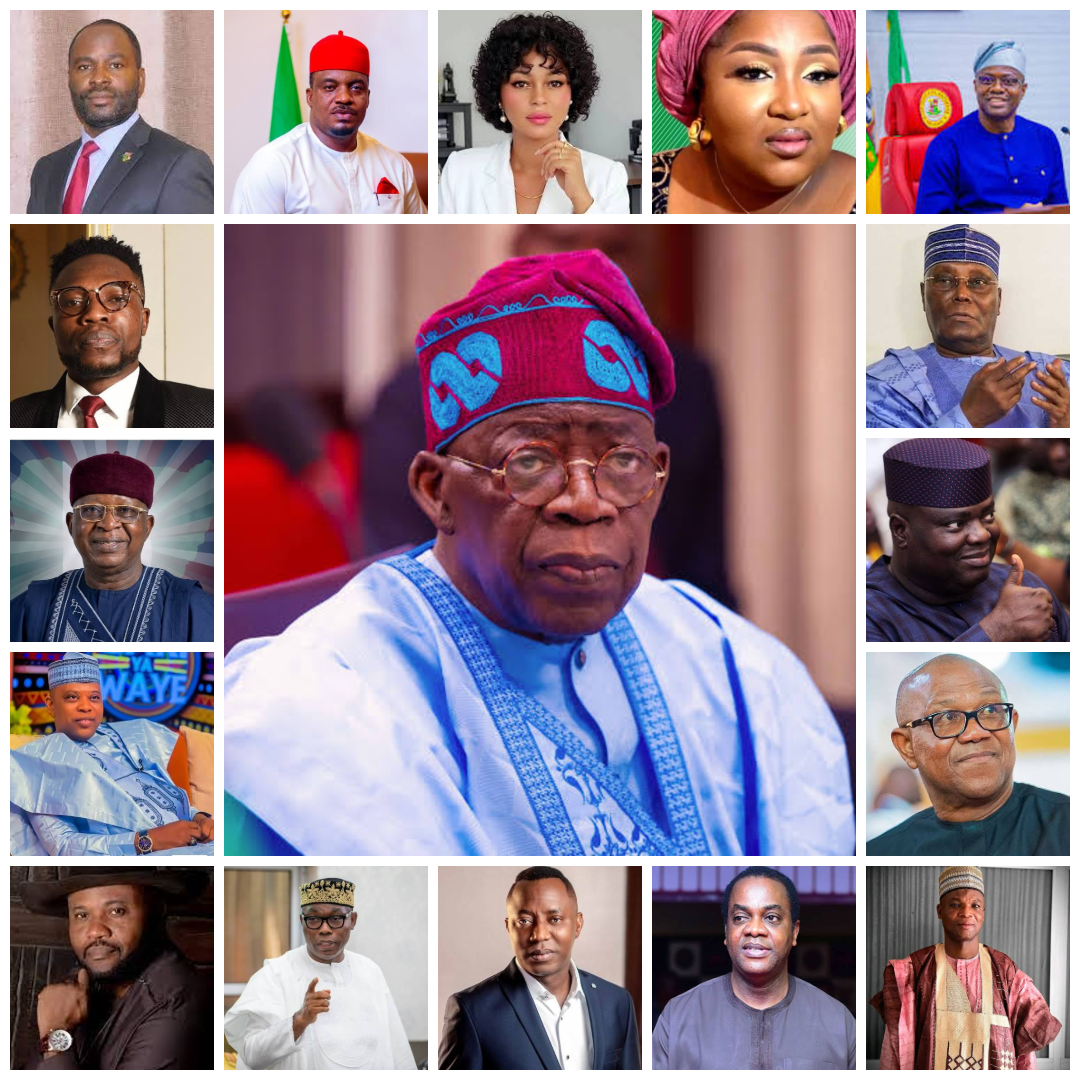
Nigeria’s 2027 Presidential Race: All 18 Candidates, Their Promises, and Their Political Imprints
The Independent National Electoral Commission (INEC) has published the final list of 18 presidential candidates for Nigeria’s January 16, 2027 election. The list, signed by Secretary Rose Oriaran-Anthony, features 16 men and two women competing for the highest office in the land . While national attention focuses on the three frontrunners; President Bola Tinubu, former Vice President Atiku Abubakar, and former Anambra Governor Peter Obi. The full field reveals a remarkable diversity of pedigrees, promises, and political strategies.
This comprehensive analysis profiles every candidate, their traceable campaign pledges, and their media imprints.
The Frontline Contenders
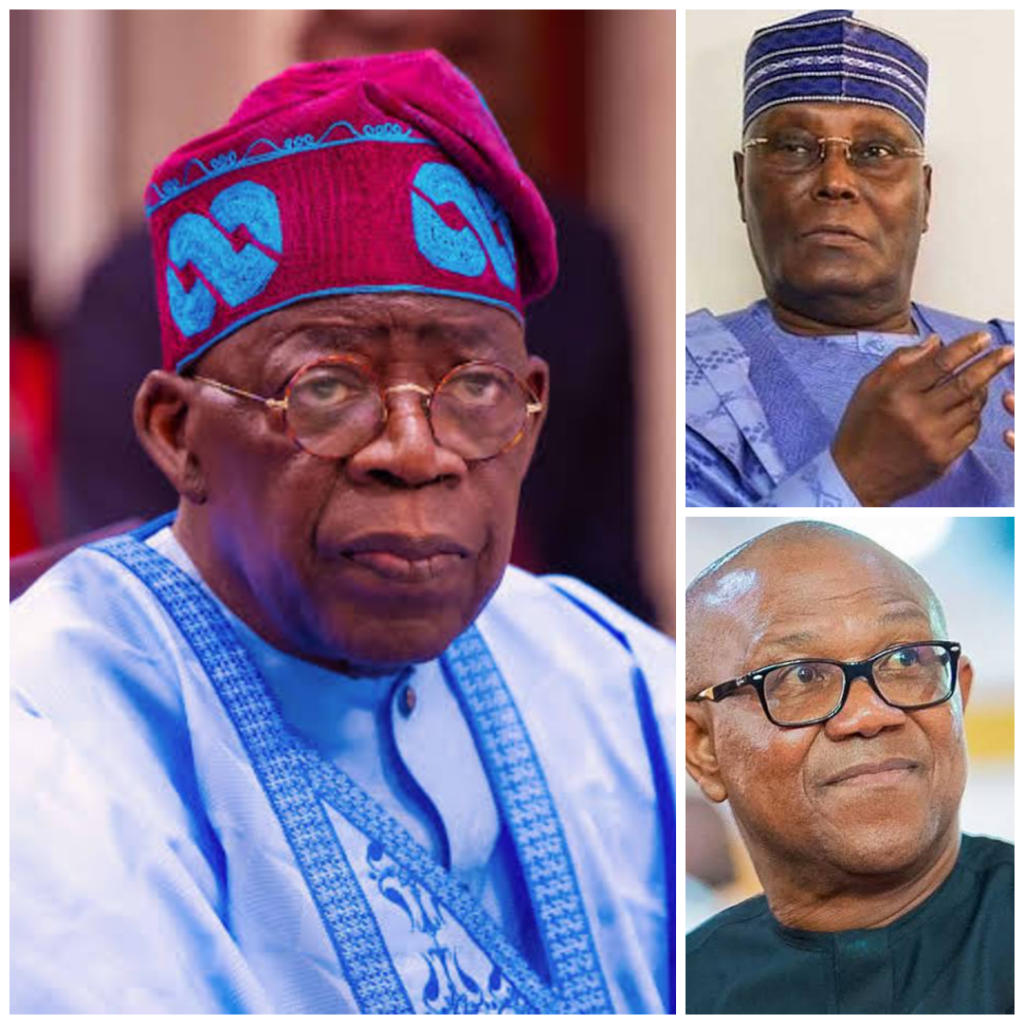
Bola Tinubu (APC, Incumbent President)
Tinubu, 74, secured the APC nomination with over 10.9 million votes in the party’s direct primary, defeating sole challenger Stanley Osifo. His campaign is anchored on continuing economic reforms he says have stabilised the economy. At his nomination acceptance speech, Tinubu declared: “We moved away from wasteful fuel subsidies, unstable exchange rates, and weak infrastructure. Today, we are witnessing a turnaround: the naira is strengthening, foreign reserves are rising, and our economic outlook is positive”.
He cites concrete achievements: N282 billion disbursed through the Nigerian Education Loan Fund to over 1.5 million beneficiaries; 2.5 million meters supplied through the Presidential Metering Initiative; a N4 trillion bond programme to settle legacy debts owed to power companies; and power generation peaking at 6,000MW.
Tinubu has proposed constitutional amendments to allow state police, calling it “a matter of national emergency” . He acknowledges Nigerians struggle with rising costs but pledges policies delivering “economic expansion, industrialisation, energy security, infrastructure development, food sufficiency, and democratic consolidation” .
Atiku Abubakar (ADC, Former Vice President)
Atiku, a former Vice President, 79, is running on the African Democratic Congress platform with former Transport Minister Rotimi Amaechi as his running mate. His State of the Nation address on Nigeria’s 66th Independence anniversary offered a detailed critique of Tinubu’s “age of prosperity” claim. He compared purchasing power: a N70,000 minimum wage now buys 50 litres of petrol, against 118 litres for N30,000 in April 2023 .
His flagship economic proposal is “a capped, budgeted production subsidy tied to verified fuel refined in Nigeria only,” explicitly excluding imported petrol. He pledges that costs will be published, payments independently audited, and benefits passed to consumers through lower pump prices.
He also challenged government cash transfer claims, asking how 10 million recipients of N75,000 were identified and paid: “If you could find 10 million people to pay, you can account for the payments”. On electoral integrity, Atiku promised: “Your vote must count as you cast it,” pledging legal consequences for vote-buying and result manipulation .
Peter Obi (NDC, Former Anambra Governor)
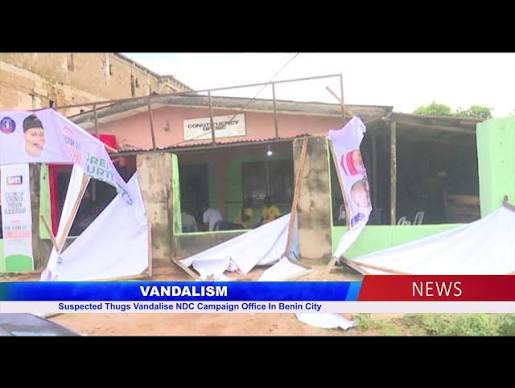
Obi, 65, runs under the Nigerian Democratic Congress with former Kano Governor Rabiu Kwankwaso as his running mate. At a Sokoto town hall meeting, Obi, a former Anambra State governor, made a striking pledge: “People are talking about subsidy but what is all about it is corruption. By removing the corruption, I assure you that we will bring back subsidy” .
Obi identified education as “our number one priority after unity and security” . He promised to connect all state capitals by railway lines, with specific commitments to link Sokoto, Kebbi, and Zamfara states to the national network.
He also pledged transparent management of oil and gas resources: “Myself and Kwankwaso will initiate a work plan that would transparently arrive at the quantum of crude, nature of transactions, import and export, and revenue accruing from every single oil and gas transaction”. On agriculture, he promised fertiliser subsidies and other interventions to strengthen food security .

The Sitting Governor in the Race
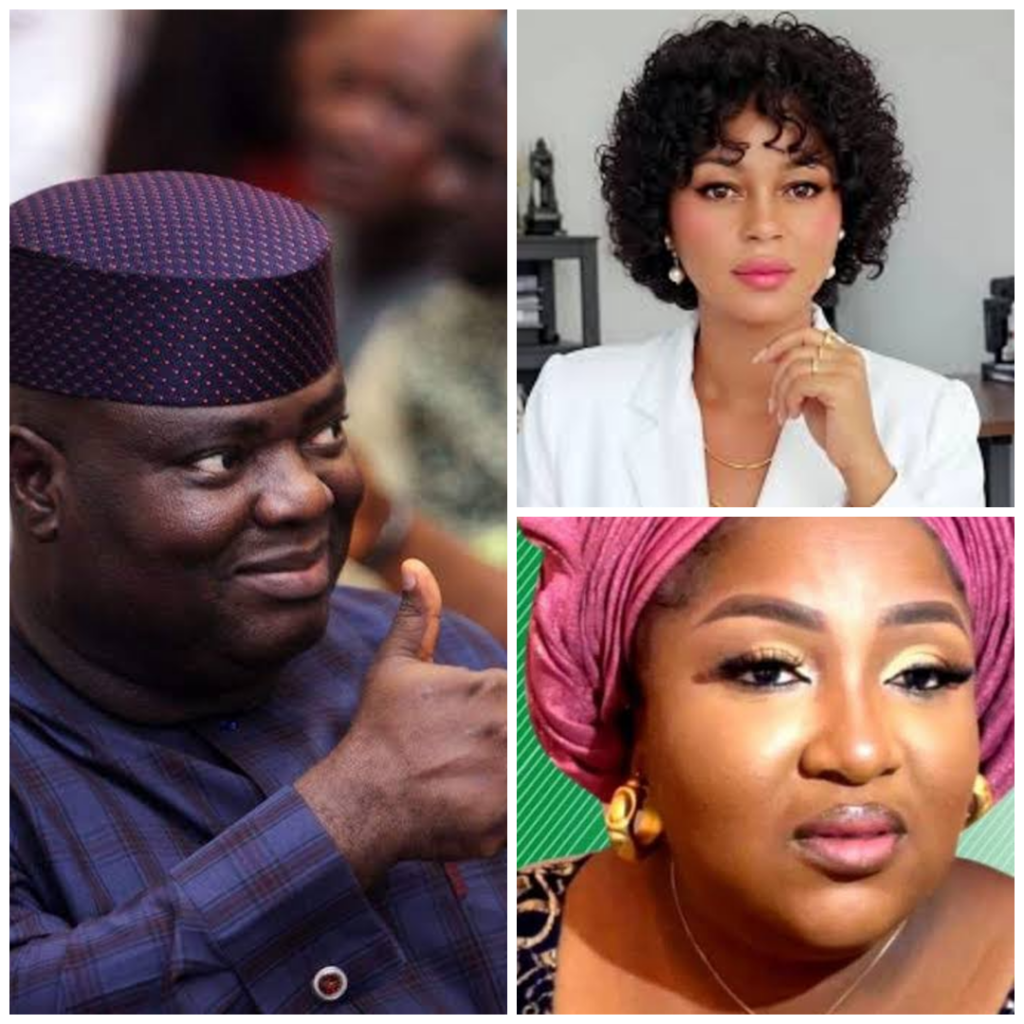
Seyi Makinde (APM, Oyo State Governor)
Makinde, 58, is the only sitting governor running for president. At a North Central town hall in Lafia, Nasarawa State, he unveiled his “Reset Nigeria” agenda, declaring: “We can reset this country and give Nigeria a new security architecture, reset and give Nigeria a new path for education, reset our economy utilising data, science and logic, and reset our socio-political environment in four years” .
He promised a “transitional government of national unity” that would “culminate in new players and a new agenda for Nigeria’s sustainable development” . Makinde also proposed targeted programmes for women in agriculture, market women, and persons with disabilities . He criticised federal planning, noting that the 2026 budget contained no provision for newly announced army divisions: “You cannot wake up and declare such major initiatives without proper planning” . He cited Oyo State’s reduced dependence on federal allocations from over 80% in 2019 to 65% by 2022, as evidence of his fiscal management credentials .
The Veteran Reformer
Donald Duke (PRP, Former Cross River Governor)
Duke, 64, governed Cross River State from 1999 to 2007, founding the Calabar Carnival and Tinapa Business Resort. His campaign has attracted international media attention, with Indonesia’s Global Hukum Indonesia profiling his candidacy. The publication highlighted Duke’s proposals on “economic reform, education, technology and Artificial Intelligence” .
Duke’s governance agenda includes “far-reaching structural reforms aimed at building a fair, transparent and corruption-free government”. His education programme “envisages modernising Nigeria’s basic and higher education systems to expand access to quality education” . He proposes a national Artificial Intelligence strategy integrating AI tools into public administration to “streamline government operations, improve public services, enhance transparency and strengthen digital systems for combating corruption” .
The Technology Radical
Omoyele Sowore (AAC, Activist-Publisher)
Sowore, founder of Sahara Reporters, has unveiled the most technologically radical manifesto of any candidate. In a series of posts on X, he proposed appointing Artificial Intelligence as “Minister of Finance” and drones as “Minister of Defence” .
“Blockchain creates an immutable public ledger where every government transaction, contract, budget allocation, and expenditure is permanently recorded, time-stamped, and open to public scrutiny. Artificial Intelligence continuously audits government operations in real time, detecting fraud, flagging suspicious transactions,” Sowore wrote. He also pledged to abolish the Office of the First Lady, arguing it is not created by the Constitution: “Becoming the president will not abolish my marriage, but I will not have the office of First Lady”. He promised to end security votes for governors, saying the savings could reach N4 trillion. These are amnongst his many promises to social welfare and governance.
The Health Reformer
Adewole Adebayo (SDP)
Adebayo has proposed bi-annual free mandatory medical screening for every Nigerian, shifting the healthcare system “from treating illnesses to prevention and early detections” . Under his plan, every Nigerian would have a medical record linked to their National Identification Number, which would double as a medical insurance number.
He described “medical tourism” as “a euphemism for the failure of Nigeria’s healthcare system” . At his manifesto unveiling, Adebayo also declared: “It is the men in the Villa, government houses, that are the problem of Nigeria. We are promising that in four years we will defeat insecurity”. Adebayo seem prepared to tackle every challenge in every facet of Nigerian life with a lot of policies and systemic interventions.
The PDP Standard-Bearer
Sandy Onor (PDP, Former Senator)
Onor, a professor of history and former Cross River Central Senator, emerged as the PDP candidate through a Wike-backed consensus process . His campaign centres on a single thesis: “Insecurity is fundamentally a function of rural poverty” .
He pledged to prioritise rural development, arguing that “Rural Nigeria, where the majority of our people live, has been neglected by successive administrations” . His plan includes stronger implementation of local government autonomy: “I will insist that no governor should tamper with local government funds” . Onor argues that properly funded local councils would “create jobs, support traditional institutions and strengthen local vigilante structures,” eliminating ungoverned spaces that incubate banditry and terrorism .
The Women on the Ballot
Ada Okwori (NDP)
Okwori, 48, is an Idoma from Benue State who founded the National Democratic Party and chairs it. Her running mate is Uchenna Anthony Chukwuemeka . She emerged as candidate through a consensus arrangement. She has proposed a minimum of 40 per cent women in party executive and candidate structures, and pledged to allocate 15 per cent of the national budget to education . She stated the NDP “would not be a platform for godfathers” .
Esther Nkem Okereke (NRM)
Okereke, a lawyer and human rights activist, is the second female candidate. She has promised relief from hunger, insecurity, and unemployment, framing her campaign around the failure of Nigeria’s wealth to reach ordinary citizens .

The Remainder of the Field
Chibuzo Okereke (LP) secured the Labour Party nomination, promising youth-centred governance .
Dan Nwanyanwu (ZLP), a former Labour Party National Chairman, has pledged to prioritise national unity, insecurity, and corruption .
Aliyu Bin Abbas (ADP), a former aide to Atiku Abubakar, runs on a youth inclusion platform under the “Youth O’Clock” banner.
Rufai Omo-Aje (AA), a businessman, secured the Action Alliance nomination.
Moses Olusoji Adebisi (DLA), 35, is the youngest candidate, running on a platform of “liberty” and human dignity restoration.
Sunday Adenuga (BP), Kabiru Yusuf (APP), and others complete the ballot, each representing smaller parties with limited national infrastructure.
The Political Calculus
The 2027 race presents a fragmented opposition. Tinubu enters with incumbency, party structures in over 30 states, and the ability to shape national narrative. Atiku and Obi split the opposition vote, with Makinde and Duke offering alternative visions from outside the traditional two-party framework.
What unites all 18 candidates is a shared diagnosis; Nigeria is not working for its people, and a shared promise: that they, uniquely, can fix it. What divides them is ideology, competence, and the cold arithmetic of electoral geography. The voters will decide which diagnosis and which prescription they trust.



Leave a comment