

Nigeria Data Centres are preparing for one of the country’s biggest technology transitions after the Central Bank of Nigeria (CBN) directed banks, fintech companies and payment service providers to host critical financial data within the country.
The new rule requires financial institutions to move transactional data from overseas cloud platforms to Nigerian data centres before January 1, 2027. As a result, operators, regulators and technology firms are assessing whether local infrastructure can support the growing demands of Africa’s largest economy.
The directive has sparked fresh debate about data sovereignty, cloud computing and the future of Nigeria’s digital economy.
CBN directive drives major cloud migration
The CBN’s order marks a significant shift in Nigeria’s financial technology landscape. Many banks and fintech firms currently rely on international cloud providers such as Amazon Web Services (AWS), Microsoft Azure, Google Cloud and IBM Cloud to store and process critical financial information.
Under the new requirement, those organisations must relocate their transactional data to facilities located within Nigeria.
Industry observers believe the move will strengthen national control over sensitive financial information. It could also improve regulatory oversight and reduce dependence on foreign jurisdictions.
The timing reflects the rapid expansion of Nigeria’s digital payments sector.
According to the Nigeria Inter-Bank Settlement System (NIBSS), electronic transaction values reached ₦1.07 quadrillion in 2024. That represents an 80% increase from the previous year’s ₦600 trillion. Transaction volumes also climbed to 11.2 billion, highlighting the country’s growing reliance on digital payments.
Managing such enormous financial activity locally will require robust and reliable digital infrastructure.
Operators say Nigeria has capacity
Data centre operators insist Nigeria is ready for the transition.
Ayotunde Coker, Chief Executive Officer of Open Access Data Centres (OADC), said years of investment have positioned the industry for this moment.
According to him, today’s facilities differ significantly from those available a decade ago.
Industry estimates show Nigeria now has about 26 data centres. Around 18 operate as commercial facilities that serve banks, fintech firms and cloud providers. The remaining centres support private organisations, including telecommunications companies and financial institutions.
Most commercial facilities operate in Lagos. However, Abuja, Kano, Port Harcourt and Enugu also host operational data centres.
Nigeria’s commercial facilities currently provide between 50MW and 56MW of live computing capacity. Existing expansion projects could increase installed capacity to approximately 124MW.
That places Nigeria behind only South Africa in Africa’s data centre market. The country currently accounts for roughly 15% of the continent’s installed capacity.
Industry forecasts suggest Nigeria’s capacity could expand to between 210MW and 300MW by 2030 as cloud computing, artificial intelligence and data localisation continue to drive demand.
Coker noted that OADC continues expanding its Lagos campus to support cloud services and AI workloads. The company has also invested in reliable backup power, fibre connectivity and international cable links.
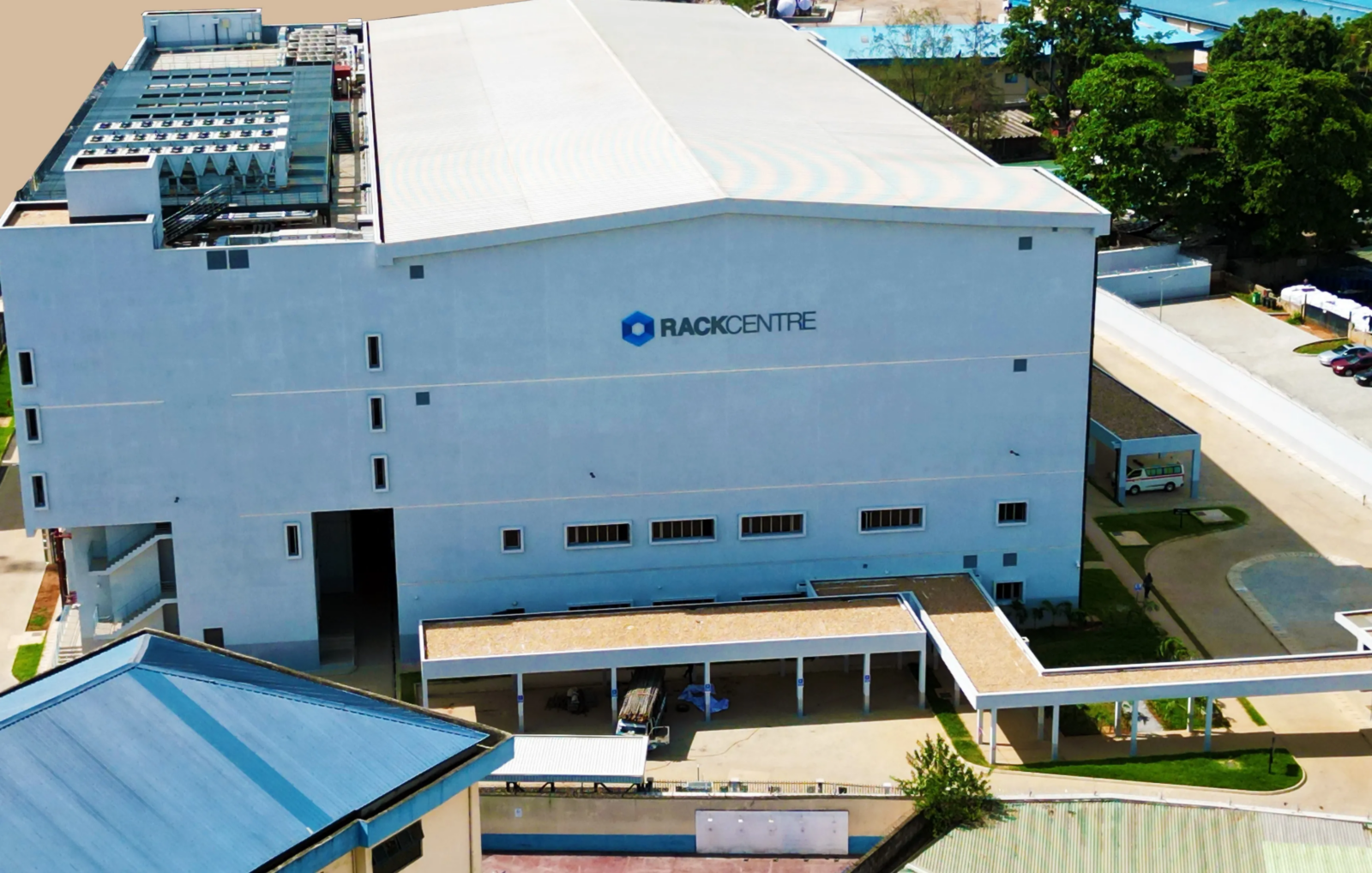
Similarly, Rack Centre said its facilities operate independently of the national electricity grid through a dedicated 13.5MW gas-powered energy system. The company also reported maintaining 100% uptime since operations began 13 years ago.
Cloud services remain the biggest challenge
While operators believe physical infrastructure is largely available, industry leaders say cloud computing services require additional investment.
Johnson Agogbua, Chief Executive Officer of Kasi Cloud, argued that Nigeria already has sufficient data centre space. However, he believes more local cloud platforms must emerge to replace services currently provided by AWS, Microsoft Azure and Google Cloud.
He explained that data centres provide secure buildings, power and connectivity. Cloud providers, meanwhile, deliver computing resources, storage and software services that businesses actually use.
Rather than abandoning global cloud platforms, experts recommend encouraging international providers to establish infrastructure inside Nigeria.
Ope Adeoye, Chief Executive Officer of OnePipe, supports that approach. He believes allowing global providers to deploy local cloud regions would help financial institutions comply without changing familiar platforms.
However, migration itself remains complex.
Banks must redesign applications, verify system performance, maintain compliance and avoid service interruptions throughout the process.
Infrastructure challenges also remain. Reliable electricity, cooling systems and skilled cloud engineers continue to influence long-term success.
Stronger infrastructure creates new opportunities
Industry stakeholders argue that recent investments have strengthened Nigeria’s digital ecosystem.
Several submarine cables, including MainOne, Glo-1, WACS, ACE, Equiano and 2Africa, have significantly expanded international internet capacity over the past decade.
These connections improve reliability and support growing demand for cloud services.
Experts believe the CBN directive could encourage major cloud providers to establish local infrastructure. If that happens, businesses could continue using familiar cloud platforms while complying with Nigerian regulations.
Industry leaders also expect broader economic benefits.
Local hosting could attract billions of naira in new investment, create technology jobs and strengthen Nigeria’s digital infrastructure.
Applications hosted inside Nigeria should also deliver lower latency because data will travel shorter distances.
Furthermore, the same infrastructure could support government agencies, healthcare providers, manufacturers, telecommunications companies and educational institutions.
Geographic concentration raises questions
Most commercial data centres currently operate in Lagos. Some observers worry that concentrating critical financial infrastructure in one city increases operational risk.
Nevertheless, operators argue that redundancy measures reduce those concerns.
Galaxy Backbone already operates certified Tier III and Tier IV facilities in Abuja and Kano. Equinix has also expanded into Port Harcourt with a $22 million Tier III-certified data centre.
Meanwhile, OADC plans additional facilities beyond Lagos as customer demand grows.
Industry executives believe Nigeria’s interconnected infrastructure provides resilience comparable to international cloud markets.
The Nigeria Data Centres industry now stands at a defining moment. The CBN’s local hosting mandate will reshape how banks and fintech companies manage critical financial data. Although challenges remain, operators insist the country has built the foundation needed to support one of Nigeria’s largest cloud migrations.
If financial institutions begin preparations early, the transition could strengthen data sovereignty, attract fresh investment and accelerate the country’s digital transformation. Success would also position Nigeria as one of Africa’s leading cloud infrastructure hubs.













Leave a comment