

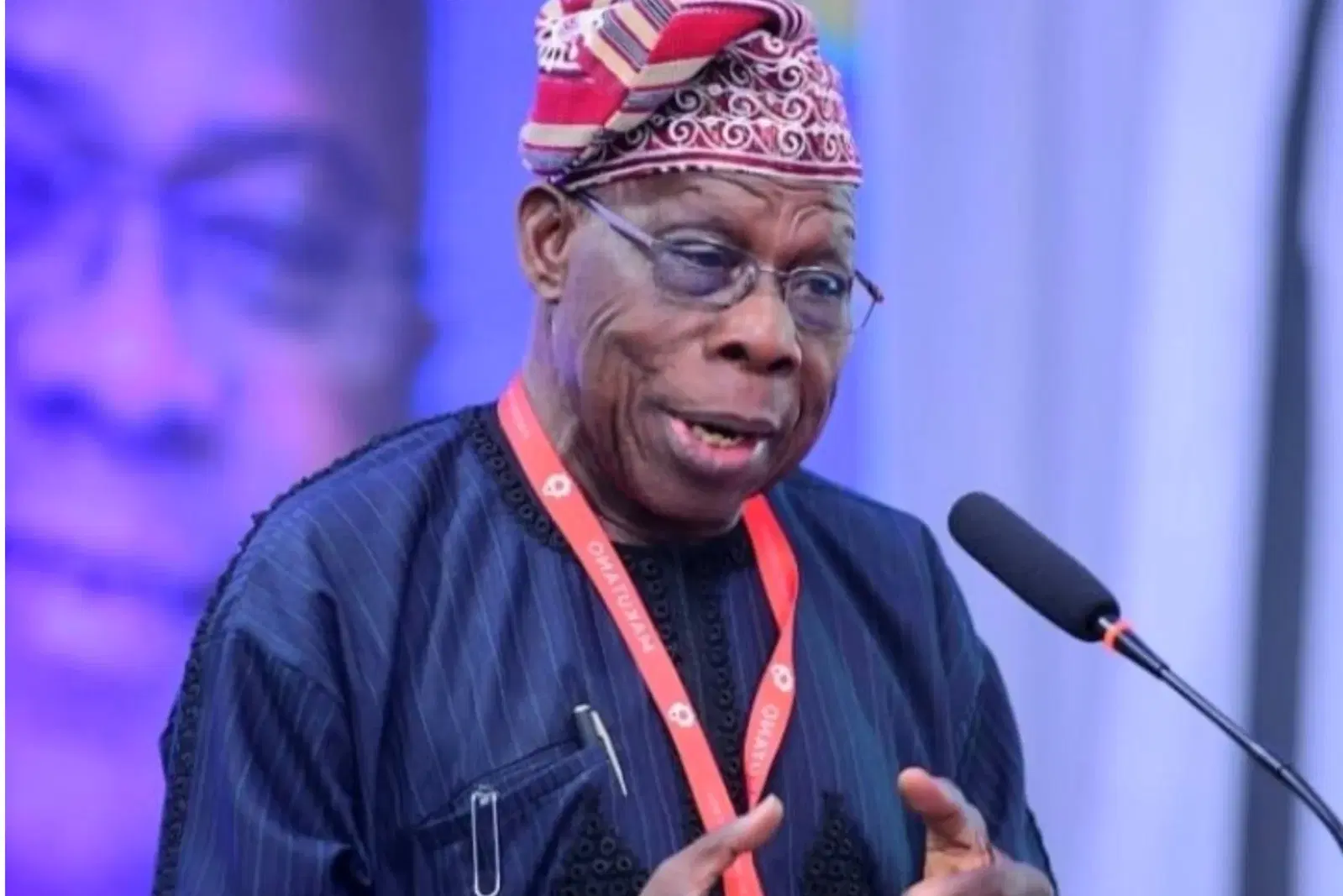
Nigeria democracy reform took centre stage at the 2026 Democracy Dialogue in Bauchi. Political leaders and former presidents called for major changes to the country’s democratic system.
The Goodluck Jonathan Foundation organised the event under the theme, “Beyond Elections: Can Political Parties and the Judiciary Save African Democracy?”
Former President Olusegun Obasanjo chaired the conference. He questioned whether Nigeria and other African countries should continue with the Western democratic model inherited from colonial rule.
Obasanjo argued that Africa needs a system that reflects its own culture, values and traditions.
Obasanjo questions Western democracy
Obasanjo said Africa had not developed a distinct form of democracy since gaining independence.
According to him, colonial powers introduced Western liberal democracy to African countries. He argued that African nations largely accepted the system without adapting it to their own realities.
The former president questioned whether the model had delivered the good governance expected by citizens.
He also criticised the growing influence of political parties and the judiciary in Nigeria’s democratic process.
Obasanjo said democracy should improve people’s quality of life. It should also protect lives and property while promoting fairness and inclusion.
For him, Nigeria democracy reform must address the country’s diversity and political realities.
He called for fresh thinking about political representation. He also suggested that community representatives could play a greater role in governance.
Obasanjo further criticised what he described as “abusive democracy.” He noted that Nigeria has never elected a female governor since the beginning of the Fourth Republic.
The former president also called for more political parties and stronger representation.
Jonathan wants power-sharing system
Former President Goodluck Jonathan also backed major changes to Nigeria’s political system.
Jonathan argued that Nigeria should review its presidential model. He suggested that the country could consider returning to a parliamentary system.
He pointed to Switzerland as an example of a system that spreads executive authority among several leaders.
Under such a model, Jonathan explained, the Prime Minister could manage government resources and administration. A separate head of state could oversee the armed forces.
He said sharing power could reduce the excessive concentration of authority in one office.
Jonathan also stressed the need for an independent and impartial judiciary.
He expressed concern that election disputes increasingly end in court rather than at the ballot box.
According to him, political parties sometimes include legal battles in their election budgets. He warned that courts should not become the main arena for determining political outcomes.
Jonathan described democracy as an ecosystem involving political parties, electoral bodies, security agencies, the judiciary, civil society, the media and voters.
His position added momentum to calls for Nigeria democracy reform at the Bauchi dialogue.
Obi raises concerns over political institutions
Presidential candidate Peter Obi also criticised the state of Nigeria’s democratic institutions.
Obi said public trust in the judiciary, legislature and academia had weakened.
He accused sections of the elite of supporting electoral malpractice. He also criticised religious leaders for supporting politicians accused of wrongdoing.
According to Obi, Nigerians must examine the direction of the country and take steps to reverse the decline in public institutions.
He warned that current failures could create serious problems for future generations.
Diri calls for true federalism
Bayelsa State Governor Douye Diri linked Nigeria’s democratic challenges to resource distribution.
Diri said democracy should rest on justice, equity and fairness.
He argued that Nigeria’s current system does not distribute resources fairly among states.
The governor pointed to Bayelsa’s oil resources as an example. He questioned why communities that contribute significantly to national revenue still lack basic infrastructure.
Diri called for true federalism as part of the solution.
He argued that greater autonomy could help states develop their resources and address local challenges more effectively.
The governor also linked resource disputes and insecurity to the uneven development of different parts of Nigeria.
Political parties face growing pressure
The Chairman of the Inter-Party Advisory Council, Yusuf Mamman Dantalle, said political parties had become weaker.
Dantalle argued that political parties were once more independent from government officials.
He said elected officials and political parties now have closer relationships that can weaken internal party democracy.
According to him, financial control has also affected political parties.
He called for stronger political parties that can operate independently and develop clear policies.
Dantalle also criticised the use of courts to settle internal party disputes.
He argued that some factions within political parties are created by powerful interests.
Jonathan Foundation calls for stronger democracy
The Executive Director of the Goodluck Jonathan Foundation, Ann Iyonu, said African democracy must move beyond elections.
She noted that many African countries now hold regular multiparty elections. Some have also experienced peaceful transfers of power.
However, Iyonu said elections alone do not guarantee accountable government.
She pointed to declining public trust in political institutions across Africa.
According to her, citizens increasingly want governments that respect the rule of law and deliver better social and economic outcomes.
Iyonu said democracy must therefore focus on what happens between elections.
She argued that stronger institutions, accountability and good governance remain essential to democratic stability.
Labour Party urges 2027 aspirants to follow Jonathan’s example
The Labour Party also joined calls for responsible politics ahead of the 2027 elections.
National Chairman Nenadi Usman urged political aspirants to follow Jonathan’s example during the 2015 presidential election.
She said Jonathan’s decision to concede defeat helped Nigeria avoid a possible political crisis.
Usman urged politicians to place national interest above personal ambition.
She also warned against inflammatory statements that could threaten Nigeria’s democratic stability.
The Labour Party chairman said Jonathan’s actions showed that political power should never come at the cost of human lives.
The 2026 Democracy Dialogue therefore ended with a common message: Nigeria democracy reform requires more than elections.
The speakers called for stronger political parties, an independent judiciary, better representation and wider institutional checks.
They also urged Nigerians to rethink the structure of governance and develop solutions that reflect the country’s unique political and social realities.






Leave a comment