

Edi Lawani
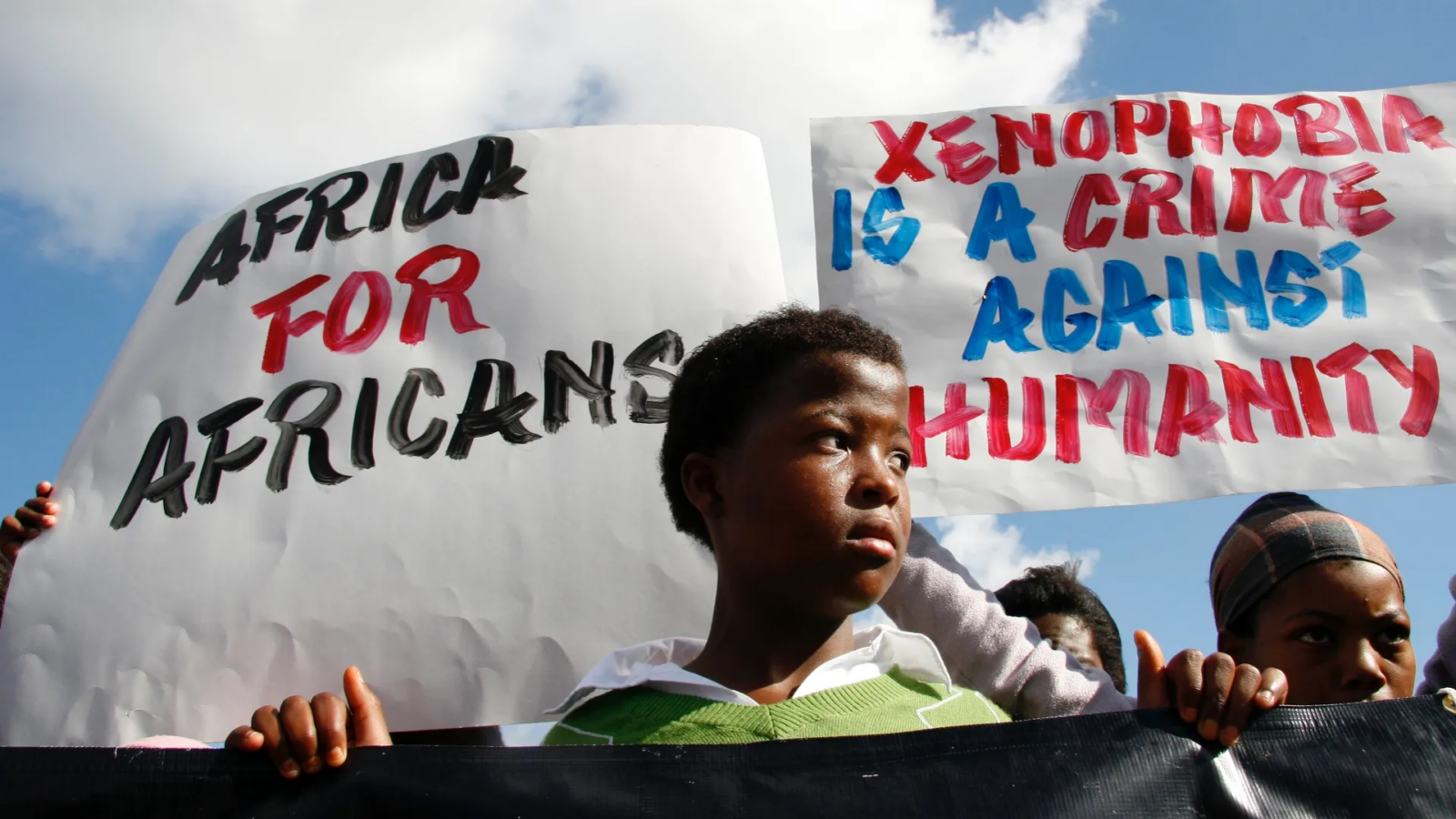
The South Africa Xenophobia Crisis has become one of the most troubling social conversations on the African continent. What once appeared to be isolated incidents of anger directed at foreigners has gradually developed into a recurring cycle of protests, fear, hostility, and uncertainty. Today, the issue extends beyond immigration and now touches economics, politics, governance, and the broader question of African unity.
The word xenophobia originates from two Greek words: Xenos, meaning stranger or foreigner, and Phobos, meaning fear. Together, the term loosely translates to the fear of strangers or foreigners. In practice, however, xenophobia rarely grows from fear alone. Economic hardship, misinformation, frustration, resentment, and social pressures often combine to create the conditions that fuel it.
South Africa has increasingly found itself associated with these tensions over recent years. Repeated anti-immigrant protests, public frustration, and debates surrounding undocumented migration continue to dominate discussions. To many South Africans, the issue goes beyond nationality and increasingly revolves around survival.
Many citizens believe undocumented immigrants have occupied spaces that should naturally benefit indigenous South Africans. Competition for employment, housing, healthcare, and business opportunities has intensified at a time when millions already struggle with unemployment and rising living costs. Understandably, frustration has continued to build among sections of the population.
Supporters of stricter immigration policies insist that their concerns are rooted in economic realities rather than hatred. They argue that citizens should receive priority access to opportunities within their own country. Others, however, strongly disagree and warn against placing responsibility for deeper structural problems on migrants.
Why the Crisis Extends Beyond South Africa
Critics argue that South Africa’s economic challenges did not begin with migration alone. Long-standing issues involving corruption, inequality, unemployment, and weak economic systems have existed for decades. Because of this, many believe immigrants have gradually become convenient targets for larger frustrations.
Another concern lies in the methods occasionally used during anti-immigrant movements. Reports involving intimidation, threats, and violence have emerged whenever tensions rise. Such developments create serious questions regarding law enforcement and institutional responsibility.
Several important issues also remain unanswered. Why are ordinary citizens increasingly assuming roles typically reserved for immigration authorities? Why do similar tensions repeatedly return despite previous interventions? Questions surrounding government responses continue to generate uncertainty and public concern.
Growing discussions surrounding alleged deadlines for undocumented immigrants to leave South Africa have added another layer of anxiety. Thousands of migrants have built businesses, careers, and families within the country, while many may have nowhere else to turn. The possibility of future confrontations between protesters and authorities creates a worrying picture.
Beyond South Africa itself lies an even bigger concern. History repeatedly shows that societies built around fear eventually search for new targets. Foreign nationals may become the focus today, but tomorrow those same divisions could expand toward ethnic groups, religious communities, or internal populations.
Xenophobia therefore represents more than hostility toward outsiders. It also reflects deeper failures surrounding governance, economic opportunity, and social inclusion.
Africa’s future depends heavily on cooperation and collective progress. Ignoring the tensions driving xenophobia may create consequences that stretch far beyond one country’s borders. The time to understand the forces behind this growing issue was years ago. The next best time is now.
Edi Lawani is a veteran Nigerian entertainment entrepreneur, special events consultant, music promoter, and showbiz strategist widely regarded as one of the architects of modern event production in Nigeria. With a career spanning more than three decades, he has played a major role in shaping the country’s live entertainment, concert, and cultural events industry.








Leave a comment