

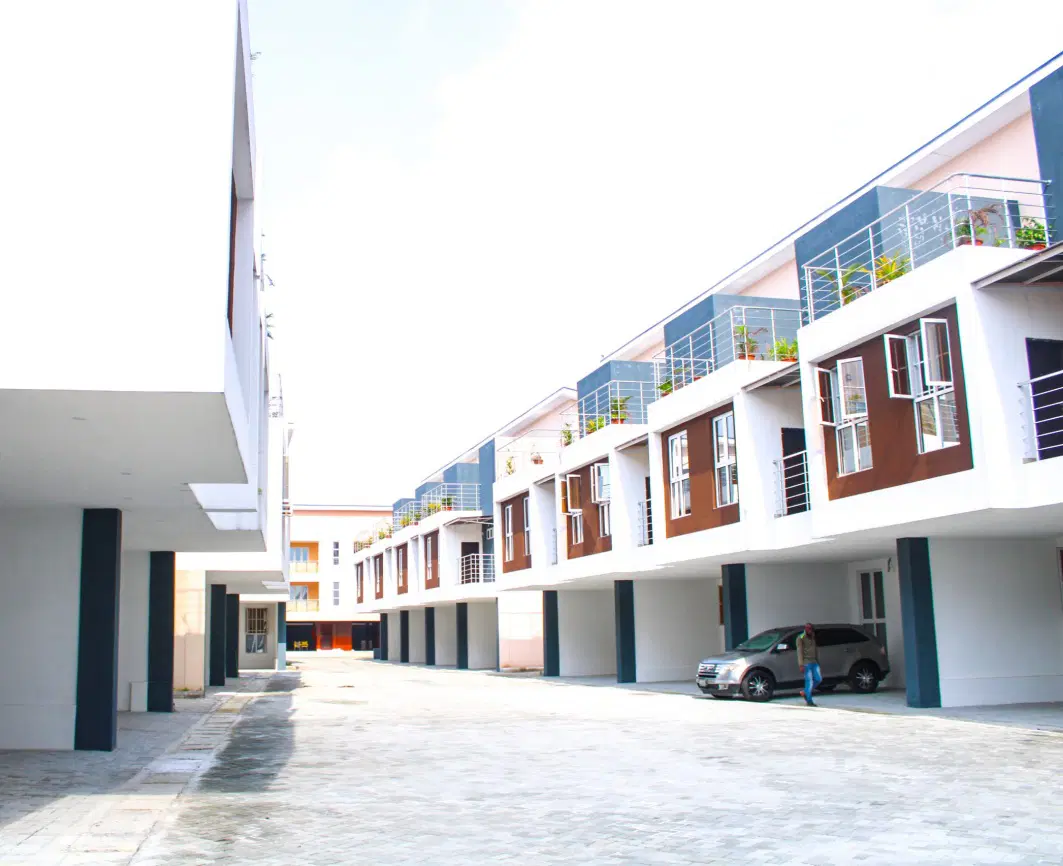
FMBN housing delivery has crossed a major milestone, with the Federal Mortgage Bank of Nigeria financing 9,076 homes between 2024 and 2025. This achievement highlights the bank’s growing role in tackling Nigeria’s housing shortage. It also reflects stronger efforts to support low- and middle-income earners.
Moreover, the bank expanded its mortgage financing and construction funding during this period. These efforts aim to make homeownership more accessible across the country.
FMBN strengthens affordable housing supply
The Managing Director of FMBN, Shehu Usidi Osidi, shared the update during the Africa International Housing Show (AIHS) 2026 in Abuja. He stressed the bank’s commitment to increasing housing access through partnerships.
According to him, delivering over 9,000 homes shows steady progress in reducing Nigeria’s housing deficit. However, many Nigerians still struggle to own homes. High equity requirements remain a major barrier.
As a result, FMBN continues to design flexible mortgage products. These options better match the income levels of low- and middle-income households. Consequently, more Nigerians can now consider owning homes.
Construction financing records major growth
FMBN also reported strong growth in construction financing. The bank increased its funding support for developers building affordable homes.
Project loan disbursements rose sharply from ₦31.5 billion in 2024 to ₦79 billion in 2025. This increase marks one of the highest funding levels in the bank’s history.
Furthermore, this funding boost helps developers complete projects faster. It also increases the supply of affordable housing nationwide.
The bank noted that supporting credible developers remains a key strategy. This approach encourages private sector participation in housing development.
In addition to construction funding, FMBN recorded a surge in mortgage lending. The bank disbursed ₦13.8 billion to 15,290 beneficiaries in 2025.
This figure represents an 86 percent increase compared to the previous year. Clearly, more Nigerians are gaining access to mortgage financing.
The bank also improved its National Housing Fund refund process. This step ensures contributors can access their funds more easily. It also strengthens customer trust in the system.
As a result, FMBN continues to expand opportunities for homeownership across Nigeria.
Partnerships drive housing finance expansion
Osidi emphasized the importance of collaboration in solving Nigeria’s housing challenges. He noted that government efforts alone cannot bridge the housing gap.
Therefore, FMBN works closely with state governments, private developers, and mortgage institutions. It also partners with cooperative societies and labour organisations.
These partnerships help create innovative financing solutions. They also ensure that underserved groups, especially informal workers, are not left behind.
Consequently, the housing ecosystem becomes stronger and more inclusive.
Economic impact of housing investments
FMBN’s housing investments extend beyond home delivery. They also stimulate economic activity across several sectors.
Housing projects create jobs for architects, engineers, and artisans. They also support suppliers of building materials and transport services.
In addition, small businesses benefit from increased construction activity. This ripple effect strengthens the broader economy.
Therefore, investing in housing not only improves living conditions but also drives economic growth.
FMBN housing delivery continues to play a critical role in Nigeria’s real estate sector. The delivery of 9,076 homes, alongside increased financing, shows strong progress.
More importantly, the bank’s focus on affordability ensures that housing remains within reach for many Nigerians.
Looking ahead, continued collaboration and investment will be essential. With sustained efforts, FMBN can further expand homeownership and reduce Nigeria’s housing deficit.












Leave a comment