

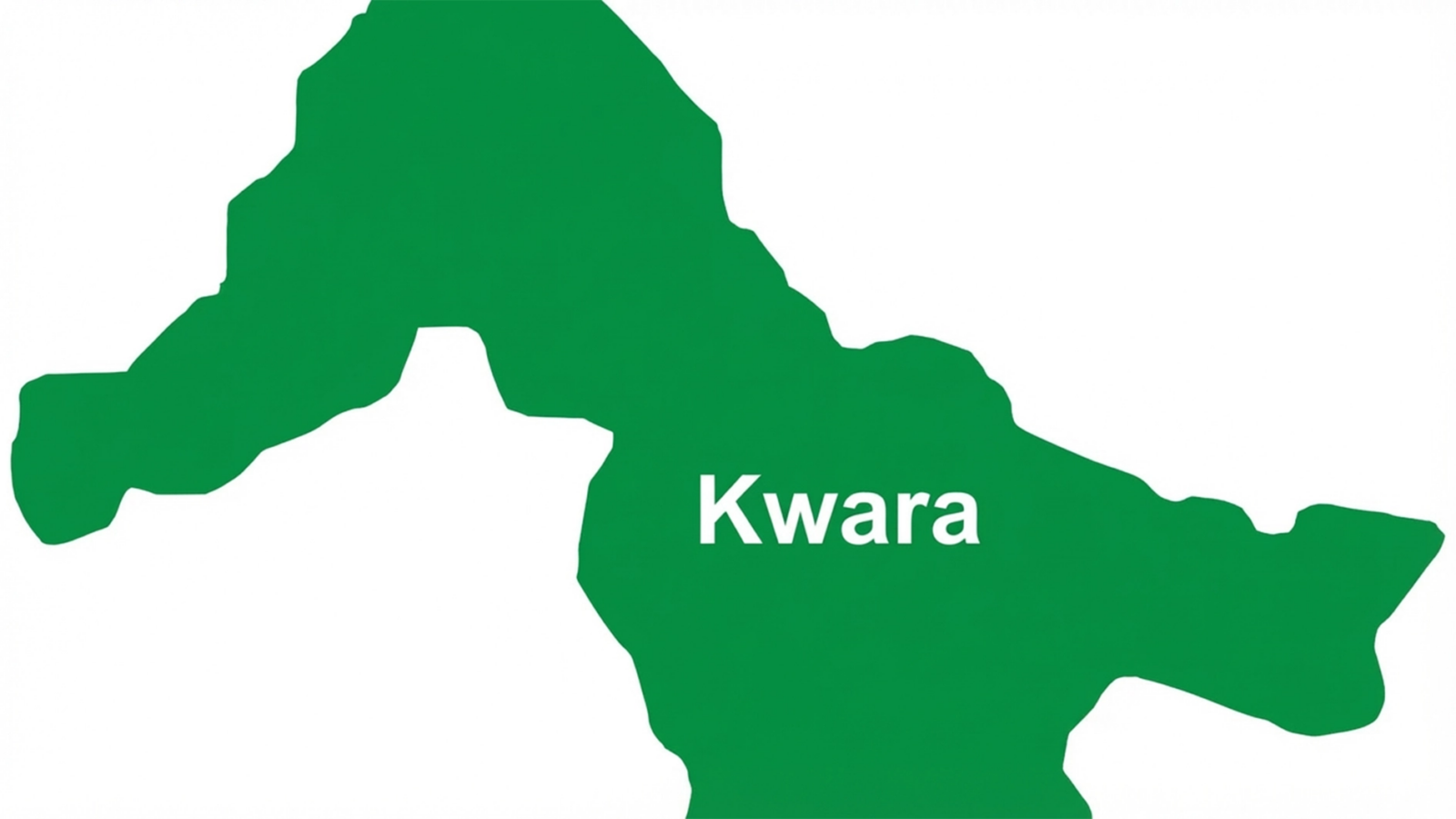
The National Boundary Commission has renewed efforts to resolve the Ekiti-Kwara boundary dispute, which has lasted for several years.
The commission said defining the 70-kilometre interstate boundary would improve security. It would also support infrastructure development and boost economic activity in affected communities.
The commission disclosed this in a statement issued on Friday. Its Head of Information, Press and Public Relations, Chinwe Udouwem, signed the statement.
Speaking in Ado-Ekiti, the Director-General of the National Boundary Commission, Adamu Adaji, described the meeting as another step towards resolving the dispute.
Officials from both states attended the Joint Meeting of Officials on the Ekiti-Kwara interstate boundary. The meeting focused on outstanding issues along the shared border.
Adaji explained that the existing boundary came from the former Ondo-Kwara interstate boundary. He said Legal Notice No. 126 of 1954 provides its legal foundation.
The notice defined part of the boundary between the former Northern and Southern Nigeria. Therefore, the commission has relied on the document during previous boundary tracing exercises.
However, recurring clashes have made the Ekiti-Kwara boundary dispute a major concern. Several border communities have experienced violence, property destruction and displacement.
The clashes have also caused prolonged tension among residents. As a result, the commission wants both states to reach a peaceful and lasting agreement.
Adaji said the commission has a constitutional duty to define interstate boundaries peacefully. He added that the process also aims to strengthen relations between neighbouring communities.
According to him, the goal goes beyond marking boundary lines. The commission also wants to strengthen national unity and improve security.
It also seeks to create better conditions for long-term economic and social development. For that reason, the commission has continued technical work on the disputed areas.
Despite progress, two major sections of the boundary remain unresolved. The first covers the Eda-Oniyo area in Ekiti and Obbo/Aiyegunle in Kwara.
The second covers Erinmope in Ekiti and the Imoji, Ilofa and Odo-Owa corridor in Kwara.
The commission has worked on the Ekiti-Kwara boundary dispute since 2002. During that period, it held several Joint Meetings of Officials and created Joint Field Teams.
Officials also carried out extensive field-tracing exercises. They relied on Legal Notice No. 126 of 1954, historical records and authenticated maps.
Relevant court judgments also guided the technical process. In August 2024, the commission held another technical meeting in Abuja.
That meeting agreed that digitised boundary maps should go to both states. Officials wanted the states to review and harmonise the maps before final demarcation.
However, the process has faced another delay. The commission said it sent the digitised maps to both states but has not received their harmonised reports.
Adaji said the commission has completed its responsibilities under previous agreements. It now expects both states to submit their positions.
He explained that the latest meeting aims to review unresolved matters. It will also help stakeholders reach consensus on the next steps.
Once the states submit their harmonised positions, the commission can move towards final demarcation. That step could bring the Ekiti-Kwara boundary dispute closer to a permanent resolution.
Adaji urged both state governments to support their State Boundary Committees. He asked them to provide the resources and logistics needed for the remaining work.
He also appealed to residents of affected communities to remain peaceful. In addition, he warned against actions that could disrupt the boundary process.
The commission expects a successful resolution to bring several benefits. These include stronger security, improved governance and better infrastructure planning.
It could also stimulate economic activity in communities along the boundary. Furthermore, a clear boundary could reduce recurring disputes and promote peaceful coexistence.
Representatives of both states attended the meeting. Ekiti Deputy Governor Monisade Afuye sent Permanent Secretary Adeleke Adefolaju as her representative.
Kwara Deputy Governor Kayode Alabi also sent Ayontola Malomo to represent him. Both representatives reaffirmed their states’ commitment to a peaceful resolution.
They also backed a lawful and mutually acceptable outcome. In addition, they praised the National Boundary Commission for keeping dialogue alive.
Both representatives promised continued cooperation with the commission. They also urged residents of affected border communities to remain calm.
The renewed discussions could therefore mark an important stage in the Ekiti-Kwara boundary dispute. If both states complete the harmonisation process, the commission can begin the final phase of boundary definition and demarcation.









Leave a comment