

The push for a Nigeria real estate regulation framework is gaining urgency as industry stakeholders highlight growing concerns about fraud, project delays, and weak oversight. The Housing Development Advocacy Network (HDAN) has called on the Federal Government to introduce a structured system to regulate developers and agents across the country. According to the group, stronger regulation is critical to restoring trust, protecting investors, and addressing Nigeria’s persistent housing challenges.
HDAN Calls for Urgent Regulatory Reform
The Housing Development Advocacy Network (HDAN), through its Executive Director Festus Adebayo, has urged the Federal Government to establish a formal regulatory framework for Nigeria’s real estate sector.
According to the group, the absence of clear oversight has allowed unethical practices to thrive. As a result, investor confidence has weakened, and housing delivery has suffered.
HDAN emphasized that a comprehensive legal and institutional structure would improve accountability, transparency, and professionalism among developers, marketers, and property agents.
If implemented effectively, a structured regulatory system could restore confidence, protect buyers, and position Nigeria’s real estate industry for sustainable growth.
Why Regulation Is Critical in Nigeria’s Property Market
Nigeria’s real estate sector remains largely unregulated, especially when compared to professionals like estate surveyors who operate under structured bodies.
This gap has led to several recurring issues. For instance, property buyers often face project abandonment, misleading property descriptions, and inflated charges. In many cases, unsuspecting investors lose money due to dealings with unregistered developers.
Moreover, diaspora Nigerians are particularly vulnerable. Because they rely heavily on intermediaries, they face higher risks of fraud and delayed transactions.
Without a strong Nigeria real estate regulation framework, many buyers continue to experience avoidable challenges.
Some subscribers report extended project timelines long after full payment has been made. Others face sudden changes in agreed terms or unexpected additional costs.
Even in cities like Lagos, where tenancy laws exist, enforcement remains weak. Although agency and legal fees are officially capped, many renters still pay above the legal limits.
Consequently, these issues have contributed to growing distrust in the system.
ALSO READ:[Living Sustainability Here Preview Debuts at Nigeria Book Fair(Opens in a new browser tab]
Proposed Solutions by HDAN
To address these challenges, HDAN has outlined several recommendations aimed at reforming the housing sector.
First, the group called for collaboration between the Ministry of Housing, the National Assembly, and relevant agencies to establish a clear regulatory framework.
Such a system would:
- Enforce project delivery timelines
- Protect property buyers and subscribers
- Set minimum standards for practitioners
- Reduce fraudulent activities
In addition, HDAN advocated for stricter entry requirements to professionalize the industry
Beyond regulation, HDAN’s proposals extend to wider housing reforms. The organization emphasized the need to complete ongoing housing projects to prevent abandonment. It also encouraged stronger public-private partnerships to increase affordable housing supply.
Furthermore, HDAN highlighted the importance of land administration reforms, promotion of local building materials, and urban renewal initiatives.
Improved coordination among institutions such as the Federal Housing Authority and the Federal Mortgage Bank of Nigeria was also identified as key to better project delivery.
ALSO READ: [UNILAG, NCS Partner to Shape Nigeria’s Future Tech Talent]
Abuja Emerging as a Real Estate Contender
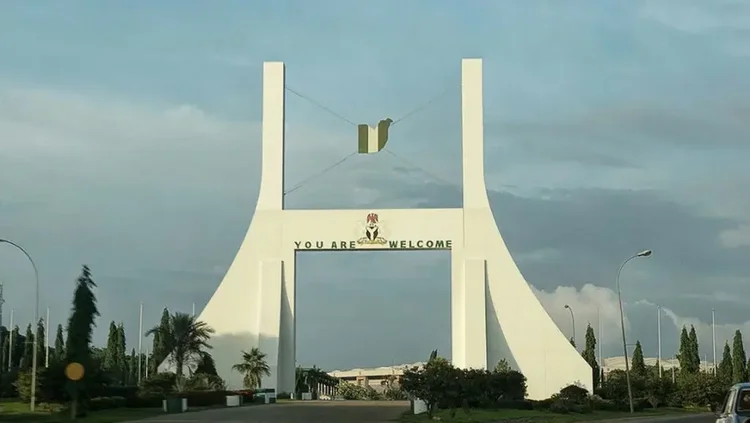
Interestingly, industry insights suggest that Abuja’s property market could soon rival Lagos.
Festus Adebayo noted that within the next five years, Abuja may become a major competitor in Nigeria’s real estate landscape. This projection further underscores the need for a Nigeria real estate regulation framework to ensure sustainable growth across key cities.
The call for a Nigeria real estate regulation framework reflects a critical need to fix long-standing issues in the housing sector. With rising complaints from investors and persistent cases of malpractice, the urgency for reform cannot be ignored.
If implemented effectively, a structured regulatory system could restore confidence, protect buyers, and position Nigeria’s real estate industry for sustainable growth. As stakeholders continue to push for change, the next steps by the government will be crucial in shaping the future of the sector.











Leave a comment