

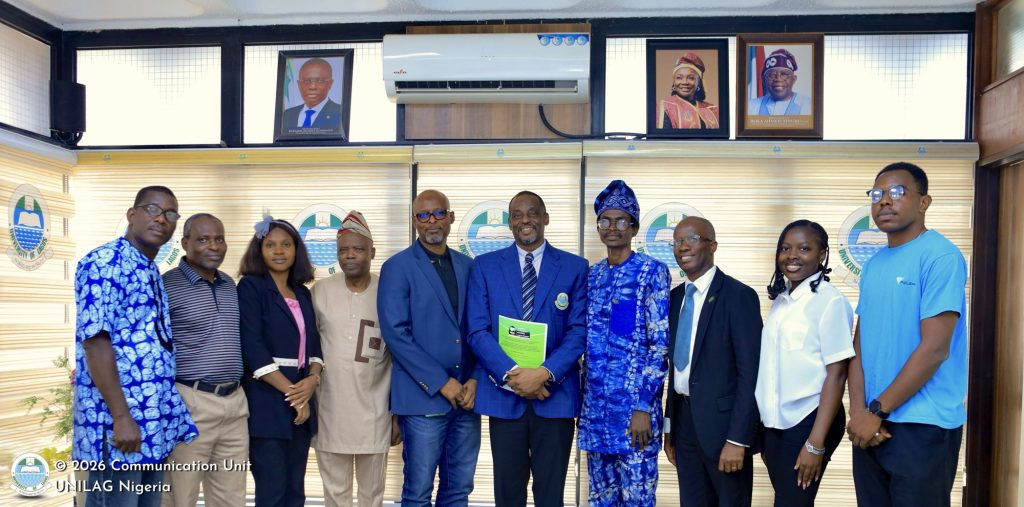
UNILAG and NCS Begin Talks on Nigeria’s Digital Future
University of Lagos and Nigeria Computer Society have started discussions that could significantly influence the future of Nigeria’s digital workforce.
The meeting, held on April 30, 2026, focused on how universities and industry leaders can collaborate to prepare students for a rapidly evolving technology landscape.
Unlike typical technology events filled with product launches and startup pitches, the conversation centered on a deeper issue, the widening gap between academic learning and real-world industry demands.
Why the Conversation Matters
Nigeria’s digital economy continues expanding through:
- Artificial intelligence
- Cybersecurity
- Cloud computing
- Automation
- Digital finance
- Innovation-driven startups
Consequently, universities now face increasing pressure to equip students with practical skills beyond traditional classroom education.
The delegation from the Nigeria Computer Society, led by Chairman Dr. Adewale Adesina, visited UNILAG to explore ways both institutions can strengthen talent development for the future workforce.
Representing Vice-Chancellor Professor Folasade Ogunsola was Deputy Vice-Chancellor Professor Foluso Lesi.
During the discussions, stakeholders agreed that academic certificates alone are no longer enough in today’s technology-driven economy.
ALSO READ: AMB & the 2026 Candidate: Winning with Digital Learning
The engagement followed the recent launch of UNILAG’s Artificial Intelligence University Innovation Pod (AI UniPod).
The initiative already positioned the university within broader national conversations surrounding AI-driven education and innovation.
As a result, the timing created opportunities for stronger collaboration between education, innovation hubs, and industry professionals.
Several proposals emerged during the meeting, including:
- Student onboarding into professional tech bodies
- Mentorship programmes
- Startup incubation opportunities
- Industry-focused conferences
- AI research collaborations
- Digital capacity-building initiatives
Students Voice Concerns About Employability
Interestingly, students played a visible role during the discussions.
Representatives from UNILAG’s Faculty of Computing and Informatics highlighted growing concerns among students about employability after graduation.
Toluwani Ajibare and Jerry Chukwuma Aneke explained that many students now feel pressured to develop practical competencies alongside academic qualifications.
Their concerns reflect a wider reality across Nigeria’s education system.
Today, many graduates increasingly rely on:
Online certifications, Tech bootcamps, Innovation hubs, Professional communities, Internship opportunities
This shift continues because employers frequently complain about skills gaps among graduates entering the workforce.
Professor Foluso Lesi stressed that stronger collaboration between universities and industry remains essential for long-term progress.
According to him, professionals working directly within the technology sector often understand real-world challenges better than academic institutions alone.
He also referenced Nigeria’s evolving Core Curriculum and Minimum Academic Standards (CCMAS), which now allow stronger industry participation in curriculum development.
This approach could help universities adapt more quickly to changing technology demands.
One symbolic recommendation from the meeting involved formally inducting graduating students into the Nigeria Computer Society during university hooding ceremonies.
The proposal aims to create smoother transitions from academic life into professional technology communities.
Stakeholders believe Nigeria’s future competitiveness depends heavily on how effectively these systems work together.
The growing collaboration between UNILAG and the Nigeria Computer Society signals an important shift in Nigeria’s approach to education and workforce development.
As technology continues reshaping industries globally, universities can no longer operate in isolation from industry realities. Instead, partnerships like this may become essential for preparing students to compete in the future digital economy.
For Nigeria, the conversation goes beyond education alone. It represents a broader effort to build a generation capable of driving innovation, solving problems, and shaping the country’s digital future.
photo credit: unilag.edu.ng












Leave a comment