

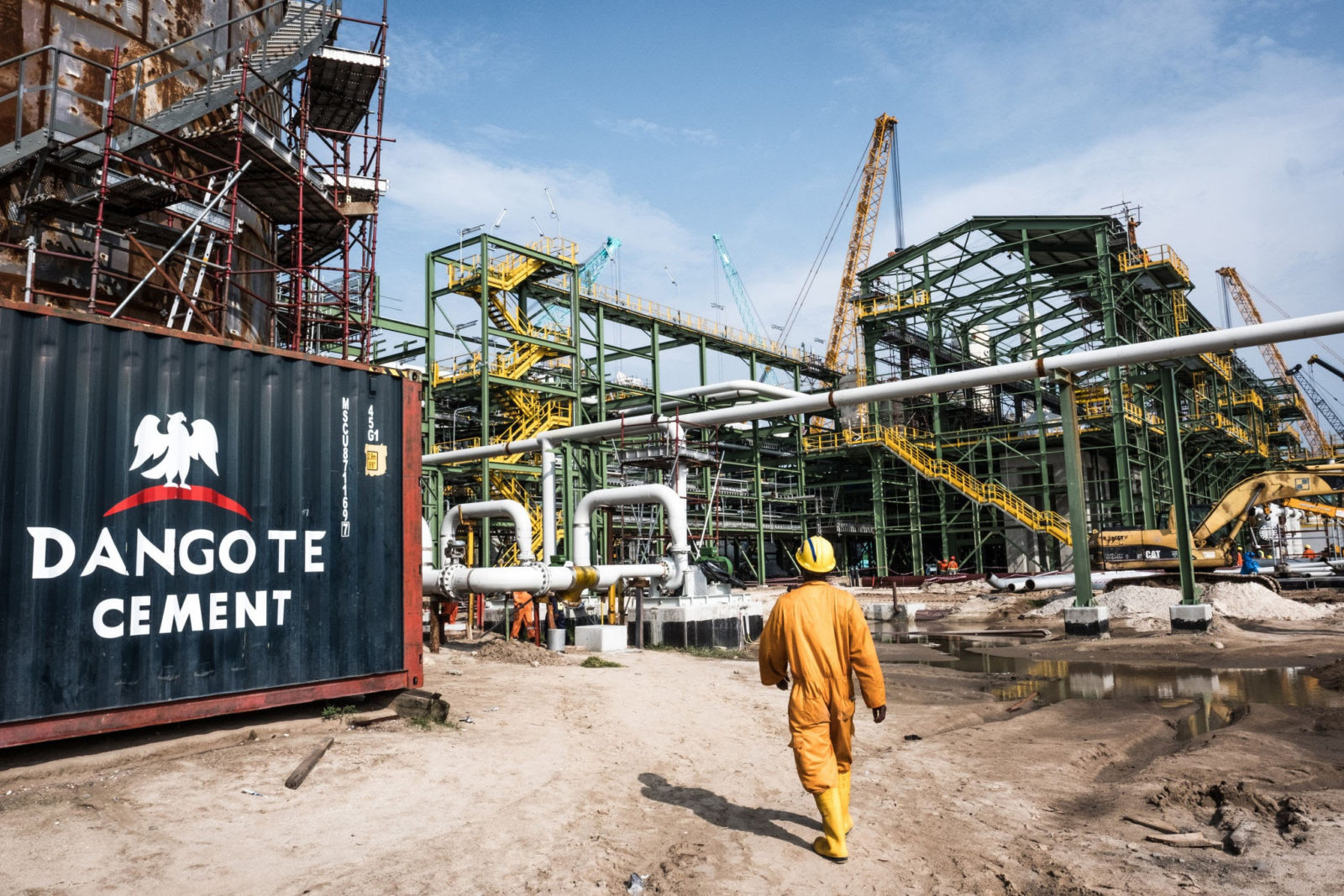
Dangote Petroleum Refinery pledged to keep cutting the costs of local petroleum products. Management confirmed that cheaper raw oil shipments are entering their massive production system. Consequently, the steady progress toward domestic fuel price reductions has brought relief to local motorists. The mega-refinery prioritizes fair pricing and long-term market stability. Executives assured citizens that lower manufacturing costs will reflect at the retail pumps.
The Reality of Refining Timelines
The management team clarified how international market shifts affect local pump prices. The refinery cannot tie its daily operations to immediate movements in global Brent crude. The factory processes raw inventory purchased weeks or months before the refining date. Landed costs dropped significantly from $124.80 per barrel in May down to $95.25 in June. Therefore, as these cheaper stockpiles push through the processing line, pump drops will naturally follow.
Historic Price Cuts Across the Board
The local refining giant has already slashed product costs multiple times this month. The facility actively absorbed heavy upfront operational losses instead of passing the burden to citizens. This strategic buffering successfully protected the downstream market from extreme global price spikes.
Petrol prices dropped by over ₦200 per litre across filling stations. Diesel costs also fell by ₦300 per litre. Aviation fuel recorded the largest drop at ₦520 per litre. Shifting the refining burden away from consumers helps stabilize food logistics and checks runaway inflation.
Securing National Energy Independence
Ultimately, this internal strategy supports the state’s deep push for total energy security. By relying heavily on domestic manufacturing, the nation can easily escape its dangerous dependence on foreign fuel imports. The group plans to ramp up output over the coming weeks to guarantee steady distribution nationwide.
This independent supply chain keeps local filling stations active even during international logistics crises. Continuous processing of low-cost crude ensures competitive local pricing as long as market conditions remain favorable.













Leave a comment