

Nigeria’s housing deficit solutions are once again in focus as federal and state governments attempt a coordinated response to the country’s staggering 28 million housing shortfall. After years of fragmented policies, a more unified strategy is emerging, one that combines land reforms, public housing projects, and state-level initiatives.
However, for millions of Nigerians, homeownership still feels far out of reach. Rising construction costs, high mortgage rates, and rapid urbanization continue to widen the gap between demand and supply.
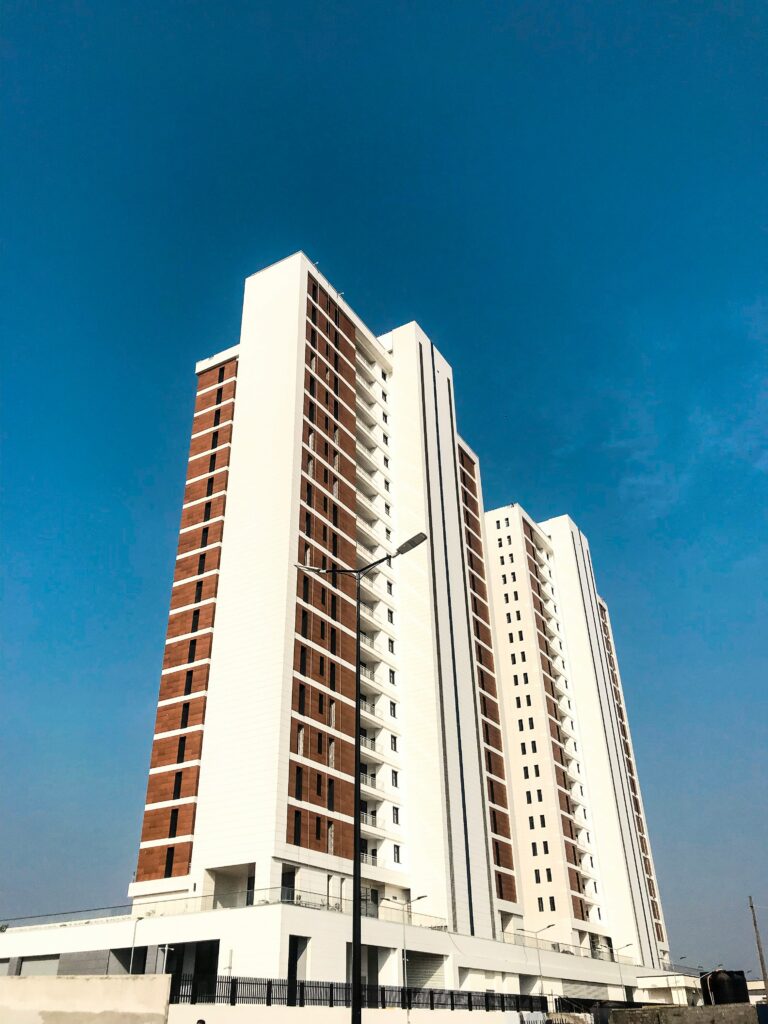
THE SCALE OF NIGERIA’S HOUSING CRISIS
Nigeria’s housing crisis remains one of the most severe globally. While housing represents nearly 70% of the nation’s wealth, access to structured financing is extremely limited.
According to global benchmarks, a healthy housing system requires at least 5 million new units annually. Yet, Nigeria delivers fewer than 100,000 units each year. As a result, the deficit continues to grow.
In urban centers, the impact is impossible to ignore. Informal settlements such as Makoko in Lagos, Sabon Gari in Kano, and Kabala West in Kaduna are expanding rapidly, with population densities reaching alarming levels.
Moreover, mortgage accessibility remains a major barrier. Reports indicate that less than 5% of urban Nigerians can afford home loans, further deepening the housing inequality gap.
FEDERAL GOVERNMENT HOUSING INTERVENTIONS
To address the crisis, the federal government introduced a new housing strategy in early 2026, focusing heavily on land reforms and large-scale construction.
Key FG Housing Projects
- A 20,000-unit affordable housing scheme in Lagos
- 4,000 housing units spread across 15 states
- 250-unit pilot estates in 12 states
- Partnerships with seven states to provide housing for civil servants
These initiatives mark a shift toward more structured and scalable housing delivery. In addition, land reform policies aim to simplify ownership processes and reduce bureaucratic bottlenecks.
Still, while these projects are promising, they represent only a fraction of what is required to close the housing gap.
STATE GOVERNMENTS DRIVING HOUSING DEVELOPMENT
Across Nigeria, state governments are stepping up efforts to complement federal initiatives.
Lagos Leads with Aggressive Targets
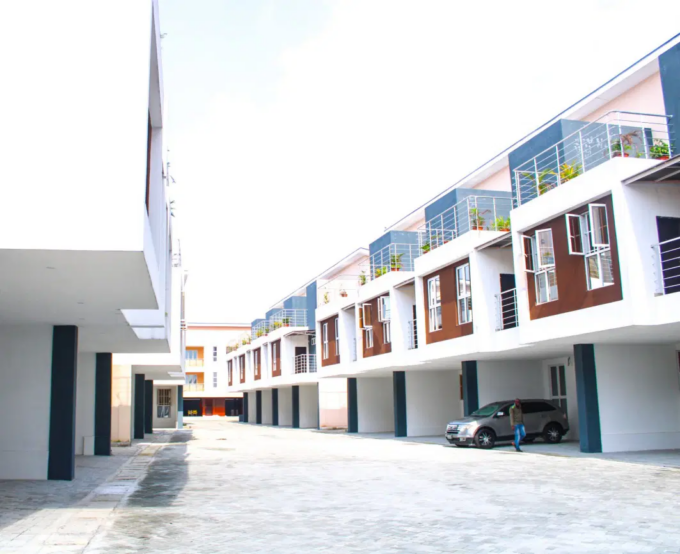
Lagos State plans to deliver 14,000 housing units by 2026. Recently, a 233-unit estate was commissioned in Eti-Osa, adding to the state’s growing portfolio. Over the past six years, Lagos has already delivered around 10,000 units.
Other States Making Moves
- Kano State plans to develop 50 low-cost housing estates across all local governments
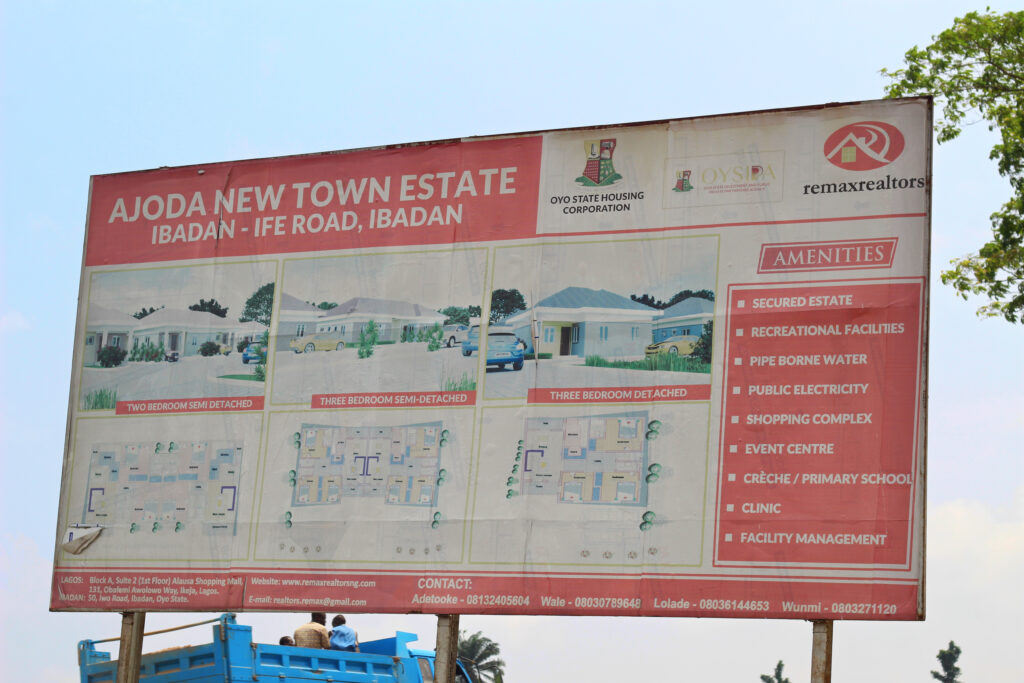
- Oyo State has begun construction of 360 units in Ajoda New Town
- Ogun State is investing in infrastructure to support housing estates
- Cross River State is monitoring smaller housing schemes to expand access
Collectively, these efforts signal a stronger commitment at the subnational level. However, scale remains a major concern.
ALSO READ: Hallos Platform: Nigerian Teachers Earn Extra Income Online
WHAT COULD DETERMINE SUCCESS?
Despite increased activity, several critical challenges remain.
High Mortgage Interest Rates
Mortgage rates in Nigeria currently hover between 25% and 30%. At these levels, even government-subsidized housing becomes unaffordable for average earners.
Without single-digit interest rates, the dream of widespread homeownership will remain elusive.
Limited Project Scale
Current federal and state projects total roughly 50,000 housing units. While this is a step forward, it barely dents a 28 million-unit deficit.
Land and Regulatory Bottlenecks
Although reforms are underway, land acquisition and title registration processes still slow down development timelines.
Nigeria housing deficit solutions are gradually taking shape through coordinated efforts between federal and state governments. The renewed focus on land reforms and affordable housing projects offers a sense of direction that has long been missing.
However, progress will depend on more than just construction numbers. Mortgage affordability, policy consistency, and private sector participation will ultimately determine whether these efforts succeed.
For now, the momentum is encouraging—but closing the gap will require sustained commitment, deeper reforms, and significantly larger investments.
Nigeria housing deficit, affordable housing Nigeria, FG housing projects, Lagos real estate, housing crisis Nigeria, mortgage rates Nigeria, public housing, Nigeria real estate market, housing reforms, urban development Nigeria










Leave a comment