


By Nneoma Otuegbe
Meta Description: Nneoma Otuegbe reviews Chioma Chika Ibekwe’s Nwapa’s Leg, a powerful poem exploring trauma, memory, colonial encounter, and the intimate relationship between body and landscape.
Keywords: Nwapa’s Leg, Chioma Chika Ibekwe, Nneoma Otuegbe, poetry review, Nigerian poetry, trauma poetry, colonial violence, African literature, contemporary African poetry
A Poem of Aftermath: Understanding the Weight of Violence
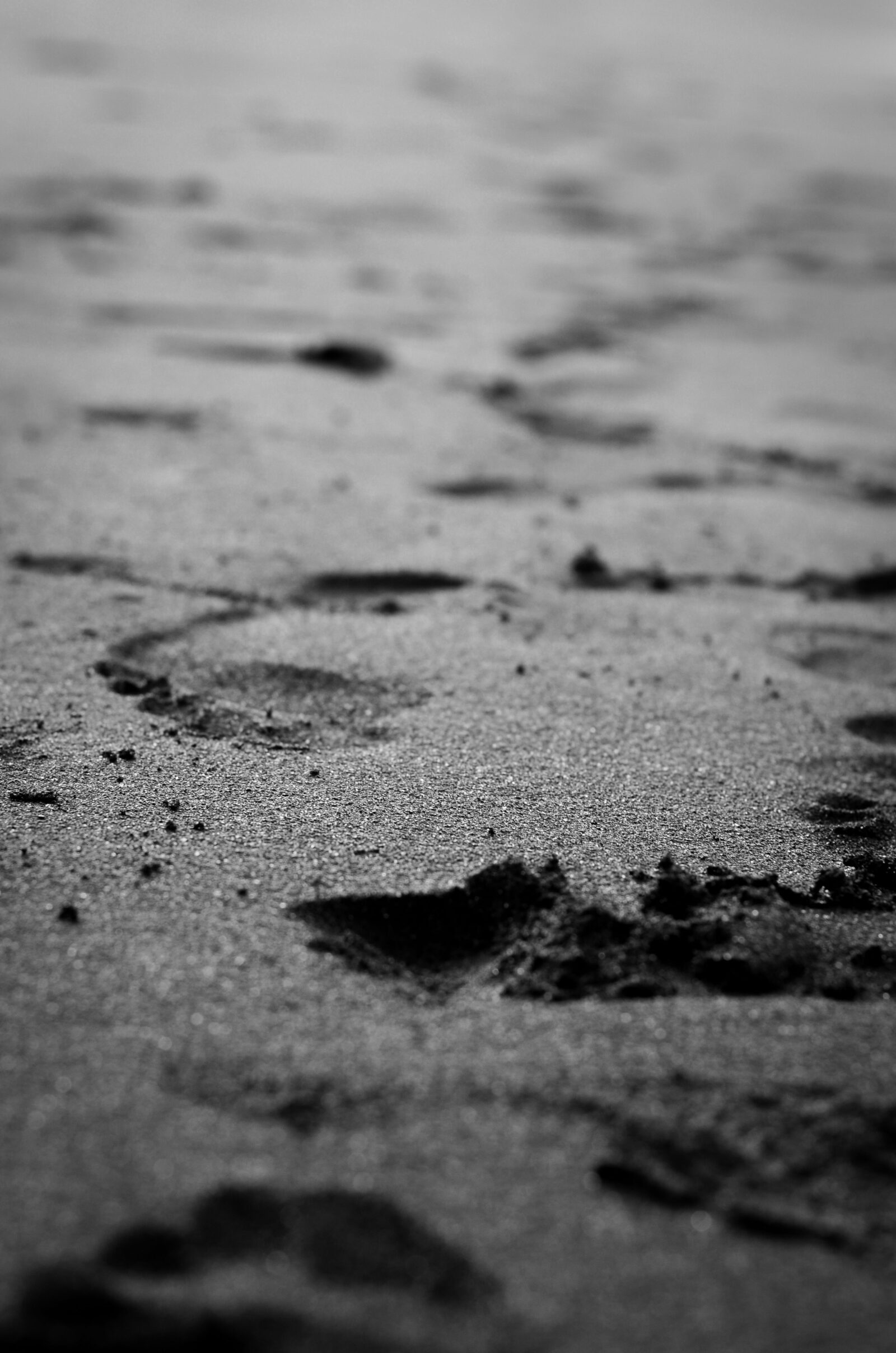
Chioma Ibekwe’s Nwapa’s Leg is a poem of aftermath. It runs south off of the wound and leaves the rustling of leaves behind. The opening line, “The dreams have the sound of iron sliding into iron,” announces the poem’s central concern: violence does not end when the weapon is lowered. Instead, it enters memory, occupies the body, and changes the language of ordinary things.
The poem’s great achievement lies in its profound understanding that trauma is not only remembered by the mind. It is carried by objects, landscapes, and physical habits. The thatch roof becomes a weapon. The cricket becomes machinery. The natural world absorbs the grammar of war.
The Transformation of Nature into Machinery
Every cricket is a bolt slipping back. This is one of the poem’s most accomplished transformations. The cricket’s sound, ordinarily associated with night, stillness, and rural life, becomes corrupted by historical violence. Ibekwe demonstrates how war rearranges perception. After violence, even nature speaks in the vocabulary of the gun.
The second movement of the poem shifts from collective fear to intimate memory. The line, “In November, her left foot knew the path to the water,” is quietly devastating. The foot is given knowledge. Before the injury, the body possessed its own geography. It knew the route, the clay, and the weight of labour. The poem does not sentimentalise this life; it records it with almost ritual precision.
Restoring a World Before Violence
The details are beautifully chosen: “The clay where the crab holes started. The balance of forty pounds of palm oil when the bank was slick.” These lines restore a world that exists before the violence. The woman is not introduced through suffering but through capability. Her foot is not merely a limb; it is a participant in a daily choreography of survival. The tragedy lies not simply in losing a leg but in losing a relationship between body and landscape.
The gunshot itself is handled with remarkable restraint: “Then the noise that did not bounce off the trees.” This may be the poem’s most powerful description of violence. A sound that refuses to return. A wound that remains trapped in the world. Ibekwe avoids describing the bullet’s impact in graphic terms. Instead, she captures the unnatural silence that follows destruction.
The Lyrical Register of Blood and Memory
The image, “The cloth turning the colour of a crushed star-apple,” is where the poem briefly opens into a more lyrical register. The star-apple carries the colour and texture of the natural world, yet here it becomes a metaphor for blood. The image works because it does not abandon the rural landscape established earlier. Violence stains the familiar.
The arrival of the British doctor introduces the poem’s colonial dimension. The doctor is not presented as a monster; he is more unsettling than that, and he is efficient.
“He did not look at her face. He looked at the bone to see where the rot stopped.” The emotional distance is the poem’s sharpest indictment. The doctor sees anatomy before humanity. The body becomes a problem to solve, a site of intervention.
Colonial Medicine and the Objectification of the Body
The surgical act may save her life, but the poem asks what happens when colonial medicine encounters colonised bodies primarily as objects of examination. The saw described as having teeth “as fine as a tilapia’s fin” is a particularly interesting choice. The comparison returns us to the river, to the ecosystem that existed before the violence. The tool of removal is compared to something belonging to the natural world, creating an uneasy overlap between healing and harm.
The final section is where Ibekwe’s restraint becomes most effective. “The wooden limb stands against the mud wall.” The prosthetic becomes a monument. It is neither symbol of triumph nor tragedy alone. It simply exists. The absence of sweat is striking: “No sweat.” Two words carrying enormous weight. The old leg belonged to labour, to movement, to the exchange between body and earth. The wooden limb performs the appearance of a body but cannot participate in its former intimacy with the world.
The Earth as Archive: Remembering What is Lost
The final image, “the ground holding the shape of weight,” is beautifully unresolved. The earth remembers what the body has lost. The ground becomes an archive. It holds the imprint of a person whose movement has been altered forever.
Where the poem could perhaps deepen is in the figure of Nwapa herself. She remains largely viewed through the experience of injury and memory. A moment of her interior life—a thought, a refusal, a desire beyond the wound—might complicate the portrait further. Yet this absence may also be intentional: the poem is concerned with what history leaves behind and what remains unsaid.
Conclusion: The Quiet Power of Interruption
Nwapa’s Leg is ultimately a poem about the violence of interruption. A body is separated from its rhythm. A landscape is separated from its innocence. A woman’s ordinary movement becomes a record of colonial encounter. Chioma Ibekwe writes with a controlled hand, allowing small objects—a footpath, a wooden limb, a mud wall—to carry the weight of history.
The poem’s power lies in its quietness. It does not raise its voice because the body has already spoken. It leaves us with the knowledge that every scar is also a map, and every missing piece carries the memory of where it once belonged.
About the Reviewer
Nneoma Otuegbe is a Nigerian writer and academic who completed her PhD at the University of Wolverhampton. Her research examines trauma, memory, and identity in contemporary Black women’s fiction. She is the author of the poetry collections Cracked Mirrors and Rummaging for Omens. Her work has been longlisted for the GTBank Dusty Manuscript Contest.
About the Poet
Chioma Chika Ibekwe is a Nigerian poet whose work engages with themes of colonial violence, trauma, memory, and the intimate relationship between body and landscape. Nwapa’s Leg represents a significant contribution to contemporary Nigerian poetry. Ibekwe’s Nwapa’s Leg
READ ALSO:
At 89, Mark Nwagwu Proves the Mind Never Retires










Leave a comment