


There’s a particular kind of energy that builds when a festival stops asking people to simply attend and starts asking them to build. That’s the posture Fàdákà Fest ’26, subtitled “Embrace the Wonder II“, has taken with its newly opened participation drive.
Fàdákà Fest is shaping up as a five-day showcase spanning theatre performances, film screenings, music concerts, dance shows, art exhibitions, workshops, and panel discussions. This isn’t a single-genre event borrowing a festival label for marketing purposes. It’s a genuine attempt to hold Nigeria’s creative disciplines, performing, visual, cinematic, under one roof, over one stretch of days.
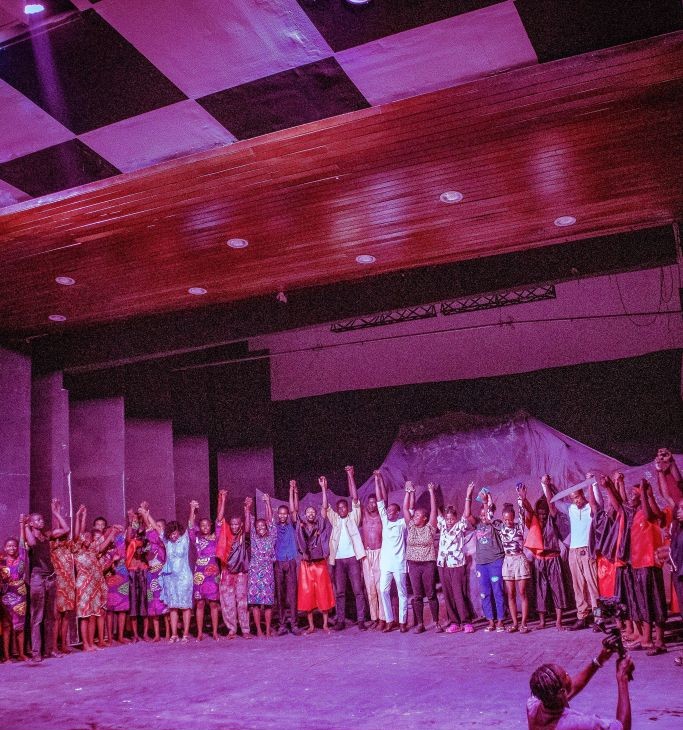
What makes the current call-to-action interesting isn’t just the scale of the event, but the structure of the invitation. Fàdákà Fest has broken participation into seven distinct lanes, each with its own dedicated application form:-
Join the Team— for those who want to work behind the scenes, shaping the festival’s operations-
Showcase Your Talent — a stage for performers ready to step into the spotlight-
Speak or Facilitate a Workshop — for practitioners with knowledge worth sharing-
Volunteer — for people who want to be at the heart of the action-
Submissions — an open call for films and performances-
Exhibitors — a platform for artists to showcase and connect-
Vendors — commercial space for brands and products to engage directly with festival audiencesAdd to that a straightforward partnership channel via direct email outreach, and what emerges is a festival that has deliberately built multiple on-ramps rather than a single narrow gate.

Whether you’re a filmmaker with a finished project, a dancer looking for a stage, a facilitator with a workshop idea, or a brand wanting visibility, there’s a form with your name on it.For BraveNigerians, this matters for a few reasons.
First, it’s a reminder that Nigeria’s creative infrastructure is expanding outward from the usual centers. Festivals like this one are part of a broader pattern of homegrown, self-organized cultural infrastructure, communities building their own stages rather than waiting for validation from outside. That’s a story worth telling on its own terms, independent of how polished the production ends up being.
Second, the three-step participation process, select a category, fill a form, wait for a response, is refreshingly unpretentious. In a landscape where “call for submissions” can sometimes mean opaque, hard-to-navigate processes, Fàdákà Fest’s structure signals accessibility. It lowers the barrier for first-time exhibitors, emerging performers, and volunteers who might otherwise assume festivals like this are closed circles.
Third, and perhaps most important, a five-day, multi-discipline festival is a serious operational undertaking. Coordinating theatre, film, music, dance, exhibitions, workshops, and panels — plus the vendors, volunteers, and speakers that support them — requires real logistical muscle.
That Fàdákà Fest is opening its team applications alongside its talent calls suggests organizers understand that the backstage work is as vital as the front-of-house performance. That’s the kind of infrastructure-first thinking worth amplifying.

Fàdákà Fest ’26 has the potential to become a genuine gathering point for Southwest Nigeria’s creative talent, not just a one-off event, but a recurring fixture that performers, filmmakers, and vendors build their calendars around.For creators, brands, and volunteers weighing whether to get involved: the forms are live, the categories are clear, and the invitation is open. Sometimes the story isn’t just what a festival will look like on stage, it’s how deliberately it built the door for people to walk through.







Leave a comment