

By Chibuzor Alli
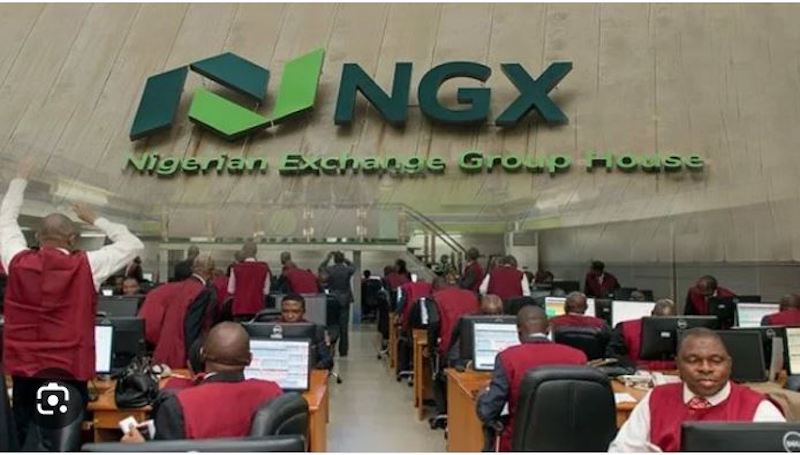
Nigeria’s capital market needs greater participation in market making and securities lending to improve liquidity and price discovery, the Nigerian Exchange Limited (NGX) says.
The call was made at a webinar on Tuesday titled, “Unlocking Liquidity in the Equities Market: The Role of Market Making and Securities Lending”.
The event brought together market operators and other stakeholders to discuss how the two mechanisms could increase trading activity and participation in Nigeria’s secondary market.
NGX chief executive Jude Chiemeka described liquidity as the “lifeblood of a functioning capital market”.
He said the strength of a market should not be judged only by the number of companies listed or its market capitalisation, but also by how easily investors can enter and exit positions, the competitiveness of bid-offer spreads and the quality of price discovery.
“Market making and securities lending are not simply technical market mechanisms; they are critical components of a modern market infrastructure,” Chiemeka said.
“We commend the Securities and Exchange Commission, under the leadership of Dr Emomotimi Agama, for creating an enabling regulatory environment for market making and securities lending. These initiatives provide a strong foundation for greater market participation, deeper liquidity, better price discovery, and a more efficient and resilient Nigerian capital market,” he added.
Nigeria’s capital market has a combined capitalisation of about N213tn, with equities accounting for approximately N156tn and fixed income N56tn. Exchange-traded funds account for about N61bn.
There are currently eight designated market makers and an established securities lending framework, providing a basis for further development of the secondary market.
Jesse Van Rensburg, head of equities sales trading at Standard Bank Group, said securities lending was an important tool for market makers, particularly when providing two-way quotes and managing changing liquidity conditions.
He said market makers regularly had to respond to changes in demand and supply, including periods when trading activity was concentrated on offers rather than bids.
Access to securities lending, he said, allowed market makers to manage their inventories and respond to changing market conditions while continuing to provide liquidity to investors.
Mr Van Rensburg identified spread management, inventory risk and capital exposure as important considerations for market makers.
He said access to lendable securities could also help market makers manage positions more efficiently, deploy capital and maintain liquidity during different market conditions.
The webinar highlighted the relationship between market making and securities lending.
Greater access to securities can help market makers provide continuous liquidity, while increased market-making activity can create more opportunities for securities lending.
For brokers, greater participation in both areas could support more efficient trade execution and increase their contribution to liquidity formation, stakeholders said.
They also said further development of the two mechanisms would require cooperation among brokers, market makers, custodians, asset managers, institutional investors, regulators and the exchange.
Improving the availability of securities for lending, strengthening market infrastructure, increasing transparency and risk management, and attracting more investors were identified as priorities for deepening Nigeria’s secondary market.












Leave a comment