

By Chibuzor Alli
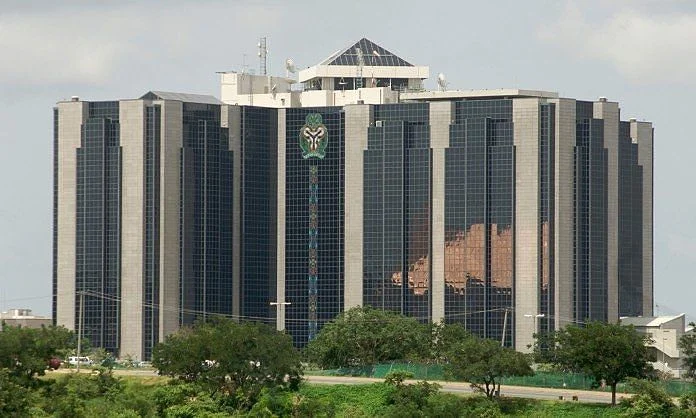
Nigeria’s foreign exchange reserves have risen above $52.5bn, reaching their highest level in 17 years, according to the Central Bank of Nigeria (CBN).
The reserves stood at more than $52.5bn as of 17 July 2026, exceeding the central bank’s target for the year, the CBN said.
The development comes as the Nigerian naira continues to strengthen, with the gap between the official exchange rate and rates offered by Bureau de Change operators narrowing to less than 2%.
The CBN attributed the increase in reserves to sustained inflows and renewed investor confidence in Nigeria’s financial markets.
Hakama Sidi-Ali, the acting director of the CBN’s Corporate Communications and Investor Relations Department, disclosed the figures on Tuesday at a CBN-organised fair in Lafia, the capital of Nasarawa State.
She said the improvement followed economic reforms introduced under CBN Governor Olayemi Cardoso during his 34 months in office.
Ms Sidi-Ali said the reforms were designed to strengthen the foundations of Nigeria’s economy, promote inclusive growth and create jobs.
They include the unification and increased transparency of the foreign exchange market and the recapitalisation of the banking sector, which she said had strengthened the resilience and competitiveness of Nigerian banks.
Other measures include the introduction of a non-resident Bank Verification Number (BVN), the B-Match System for foreign exchange trading and the Nigeria Payments System Vision 2028.
The CBN has also introduced a 75% Cash Reserve Ratio on non-Treasury Single Account public sector deposits as part of efforts to improve liquidity management and reduce inflationary risks.
However, on inflation, Ms Sidi-Ali said recent figures showed a moderation in price increases.
“The latest data from the National Bureau of Statistics indicate that headline inflation fell slightly from 15.91% in June to 15.43% in July 2026. Core and food inflation also eased over the same period, reflecting the effects of disciplined monetary tightening, exchange-rate unification, and improved market transparency,” she explained.
The CBN official said the bank remained committed to maintaining monetary and price stability.
“Under the leadership of Mr Olayemi Cardoso, the bank’s management remains strongly committed to maintaining monetary and price stability and to performing other essential functions of the Central Bank of Nigeria, as outlined in the CBN Act, 2007, as amended.
“These efforts are already yielding positive results, evidenced by the moderate decline in inflation, ongoing growth in our foreign reserves, and the current stability in the foreign exchange market,” she added.
The fair was held under the theme, “Driving Alternative Payment Channels as Tools for Financial Inclusion, Growth and Accelerated Economic Development”.
Ms Sidi-Ali said the theme reflected the importance of alternative payment systems to financial inclusion and economic growth.
She said the fair was intended to help the public understand CBN policies and initiatives and give people an opportunity to provide feedback to the bank.
She also urged Nigerians to respect the naira and warned against spraying, hawking, mutilating or counterfeiting the currency.
Njideka Nwabukwu, the CBN’s branch controller in Lafia, said the event was also aimed at increasing public awareness of the bank’s initiatives and gathering feedback on its services.
She said digital payment systems had helped expand access to financial services across Nigeria.
Ms Nwabukwu said the CBN had supported the expansion of agent banking and Point-of-Sale (POS) networks, as well as mobile money, QR payments, internet banking and instant payment platforms.
“Today, I therefore urge every participant here to become an ambassador of financial inclusion. I encourage our entrepreneurs and traders to embrace digital payment solutions in their daily transactions.
“I encourage our youths to leverage technology responsibly to create value and opportunities. I encourage financial institutions and payment service providers to continue innovating while maintaining the highest standards of customer protection and service delivery.
“Together, we can reduce reliance on cash, improve efficiency, expand economic opportunities, and unlock the immense potential of our local and national economy,” she said.
Participants at the fair, including National Youth Service Corps members, students and other residents, said they would make greater use of digital banking and alternative payment channels.
They said doing so would reduce the need to visit banks regularly and make transactions faster and easier.











Leave a comment