

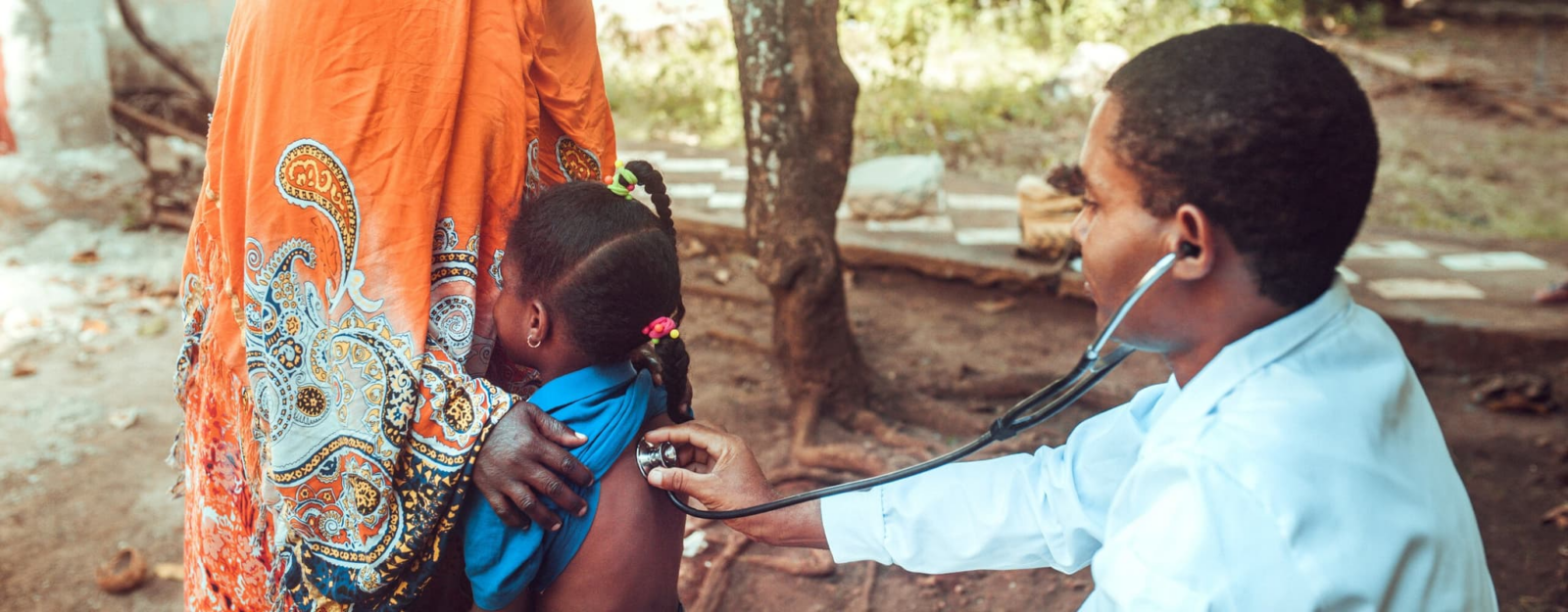
The conversation around Global Health Reforms is entering a new phase as governments and international institutions rethink healthcare systems. Countries now question long-standing dependence on foreign aid and fragmented healthcare structures. Many leaders believe stronger domestic institutions and sustainable funding models can support long-term progress.
These discussions gained attention during the Accra Reset High-Level Dialogue on Global Health Architecture in Geneva, Switzerland. Leaders, ministers, and global institutions used the meeting to discuss a shift toward healthcare systems driven by national priorities instead of external influence.
The Push for Healthcare Sovereignty and National Ownership
The Accra Reset initiative stood at the center of the discussions. Ghanaian President John Mahama introduced the initiative during the 2025 United Nations General Assembly. The plan aims to redesign health and development systems around stronger national ownership, domestic institutions, regional partnerships, and coordinated execution.
Many participants argued that healthcare systems in developing regions need stronger foundations. International aid still plays an important role. However, many leaders stressed that countries must build stronger internal systems that can function independently.
President Mahama also announced new structures to support the initiative. These include the High-Level Panel on Global Health Architecture and Governance, the Reform Observatory, and the Health Investment National Gateways Enabler mechanism.
These structures will support reforms, track progress, and encourage investments in local healthcare initiatives. Leaders believe these changes can create stronger healthcare systems during economic and global crises.
Health experts explained that many nations struggle because of heavy dependence on external funding. Countries often face disruptions when donor priorities change. Strong domestic systems could reduce those risks and improve stability.
Several participants said healthcare systems should reflect national needs. They argued that governments understand local challenges better than external institutions.
How Global Health Reforms Could Change Healthcare Financing
Financing remained one of the biggest issues during the discussions. Health ministers from several countries argued that healthcare funding needs major restructuring.
Indonesia’s Health Minister, Budi Sadikin, said countries need financing pathways that attract local and international investment. Officials from Brazil and Kenya shared similar views. They emphasized stronger domestic funding systems and national control over healthcare priorities.
Despite broad support for reforms, several experts raised concerns about implementation. They warned that multiple independent programs could create duplication and reduce efficiency.
Vanessa Kerry, Chief Executive Officer of Seed Global Health, explained that many organizations agree on what needs to change. However, many still disagree on how they should implement those reforms.
Nigeria also discussed its efforts to coordinate healthcare development through a national framework. Officials revealed plans to integrate HIV, tuberculosis, and malaria programs into broader health insurance systems.
Representatives from organizations such as the Global Fund, Gavi, and the Pandemic Fund also discussed changes in their strategies. They said they want stronger country ownership and less dependence on long-term aid.
The latest discussions around Global Health Reforms suggest that healthcare systems may enter a period of major transformation. Countries increasingly want systems that match national priorities and local realities.
International partnerships still matter. However, governments now place greater focus on stronger institutions and sustainable healthcare funding systems. The discussions in Geneva suggest that healthcare sovereignty may shape future global health policy.
image credit: wellcome












Leave a comment