

Nigeria has stepped up its disease prevention efforts by introducing stricter screening measures at airports, seaports, and land borders following concerns about the ongoing Ebola outbreak in parts of East and Central Africa.
The Federal Government announced the enhanced measures as part of a broader strategy to prevent the importation of the Ebola virus into the country. Although no confirmed case has been recorded in Nigeria, health authorities say preparedness remains essential.
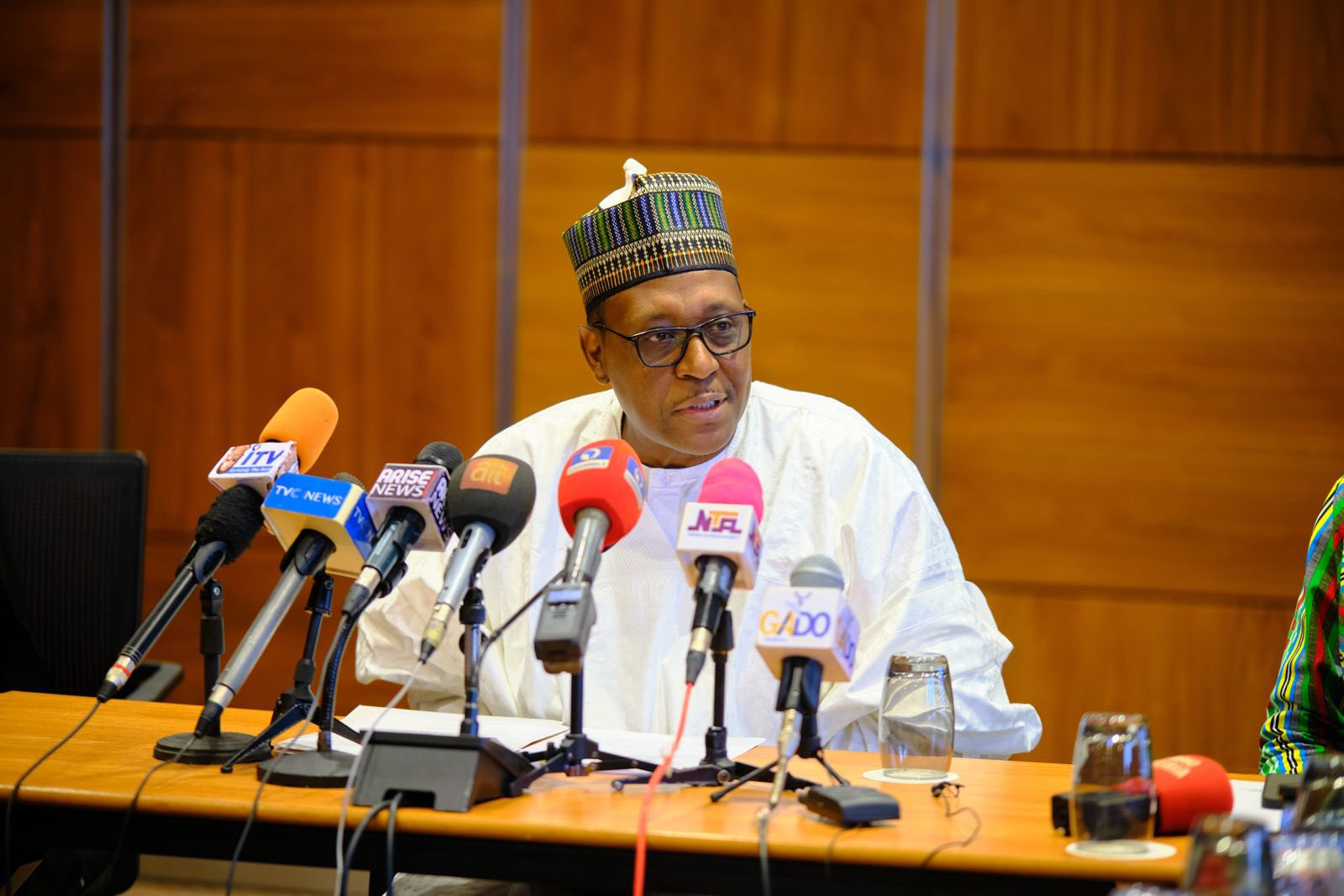
The Federal Ministry of Health and Social Welfare disclosed the development in a statement issued on Tuesday. The statement emphasized that the country remains free of Ebola infections but noted that authorities have activated precautionary measures nationwide.
Health Authorities Increase Screening at Entry Points
As part of the Nigeria Ebola preparedness plan, health officials have strengthened surveillance at all designated points of entry.
Travellers arriving in Nigeria will now undergo more detailed health assessments. These include temperature checks using infrared scanners and handheld thermometers, travel history reviews, and health declaration procedures.
Officials will also conduct enhanced risk assessments on incoming passengers.
According to the ministry, travellers identified as high-risk or those showing symptoms linked to Ebola and other viral haemorrhagic fevers will face additional medical checks. Authorities may place such individuals in isolation and transfer them for further medical evaluation where necessary.
The ministry explained that these measures are designed to detect potential cases early and prevent transmission.
Government Reassures Nigerians
Despite the heightened alert, the Federal Government reassured citizens that there is currently no confirmed Ebola case in Nigeria.
Health authorities stressed that the preventive actions are not a response to an outbreak within the country. Instead, they are part of efforts to strengthen national health security and reduce the risk of cross-border disease transmission.
The ministry urged Nigerians to remain calm while health agencies continue monitoring developments across affected regions.
Officials also highlighted lessons learned from previous public health emergencies, including the successful containment of the 2014 Ebola outbreak and the country’s response during the COVID-19 pandemic.
Surveillance Systems Expanded Nationwide
Beyond border monitoring, authorities have expanded surveillance activities across the country.
The ministry confirmed that Integrated Disease Surveillance and Response operations have been strengthened nationwide. Community-based surveillance systems are also receiving additional support to improve early detection capabilities.
Furthermore, Public Health Emergency Operations Centres have been activated, while Rapid Response Teams at federal and state levels remain on standby.
These teams will respond quickly if health officials detect any suspected Ebola case.
The ministry noted that continuous monitoring remains critical because rapid intervention can significantly reduce the risk of disease spread.
Hospitals Directed to Increase Vigilance
Healthcare facilities across Nigeria have also received fresh directives under the Nigeria Ebola preparedness framework.
Hospitals and clinics must maintain a high level of vigilance for symptoms associated with viral haemorrhagic fevers. Medical institutions have been instructed to strengthen triage systems and isolate suspected cases immediately.
The ministry also urged healthcare workers to follow established reporting protocols and infection prevention guidelines.
According to officials, preparedness within healthcare facilities is just as important as border surveillance in preventing outbreaks.
Public Advised to Follow Preventive Measures
The ministry encouraged Nigerians to adopt basic preventive measures to reduce health risks.
Citizens should wash their hands regularly and avoid direct contact with bodily fluids from individuals showing signs of illness.
Authorities also advised the public to avoid handling dead animals or consuming bushmeat obtained from unknown sources.
In addition, Nigerians should promptly report unusual illnesses or unexplained deaths to health authorities.
Officials emphasized that public awareness and cooperation remain essential components of disease prevention.
Reps Raise Alarm Over NCDC Funding Challenges
Meanwhile, the House of Representatives has expressed concern over funding difficulties facing the Nigeria Centre for Disease Control.
The issue emerged during deliberations on a motion of urgent public importance sponsored by Amobi Ogah, who represents Isuikwuato/Umunneochi Federal Constituency in Abia State.
Ogah referenced reports from the Africa Centres for Disease Control and Prevention, which confirmed an Ebola outbreak involving the Bundibugyo strain in the Democratic Republic of Congo’s Ituri Province on May 15, 2026.
He also recalled that the NCDC had placed Nigeria on high alert on May 25 due to the risk of importing the virus.
However, the lawmaker questioned the agency’s readiness to respond effectively because of inadequate funding.
According to him, the NCDC received no operational funding in 2025 and has yet to receive capital releases tied to its approved 2026 budget.
Lawmakers Demand Immediate Action
Ogah warned that prolonged funding shortages have affected several critical functions, including outbreak response, laboratory operations, surveillance activities, and emergency preparedness.
He also raised concerns about shortages of laboratory reagents and diagnostic materials needed for disease screening.
Following the debate, the House urged the executive arm of government to release sufficient funds allocated to the NCDC.
Lawmakers further called on port health authorities to intensify surveillance at all entry points.
In addition, the House Committee on Infectious Diseases was directed to monitor how released funds are utilized, while the Committee on Legislative Compliance will oversee implementation of the resolutions.
Nigeria has moved proactively to strengthen its defenses against a possible Ebola outbreak. Through stricter border screening, expanded surveillance systems, and emergency response preparations, authorities aim to prevent the virus from entering the country.
While no Ebola case has been confirmed in Nigeria, health officials remain on alert. At the same time, lawmakers are pushing for improved funding to ensure the NCDC can effectively carry out its critical public health responsibilities. The combined efforts reflect the country’s determination to maintain readiness against emerging health threats.












Leave a comment