

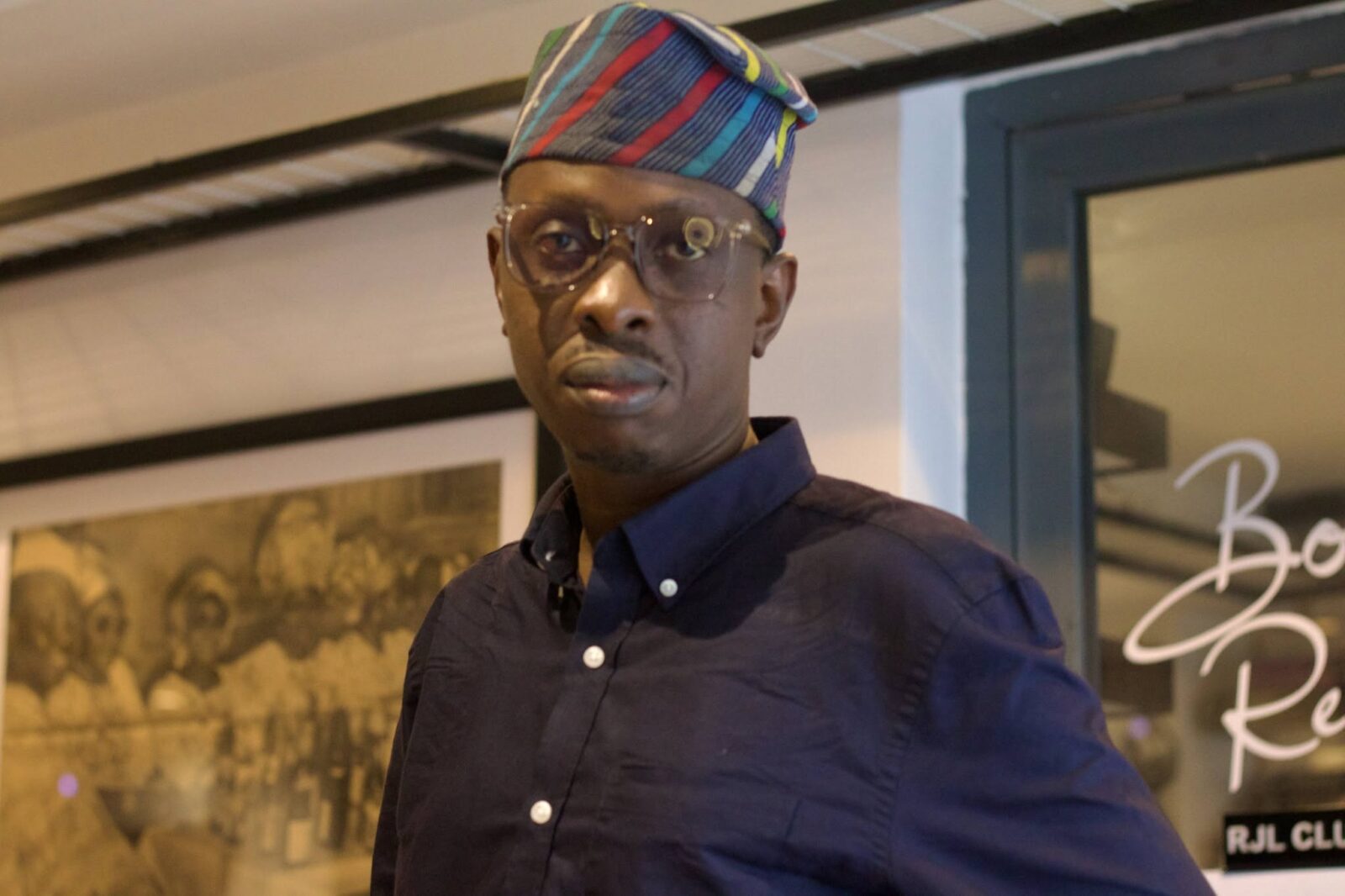
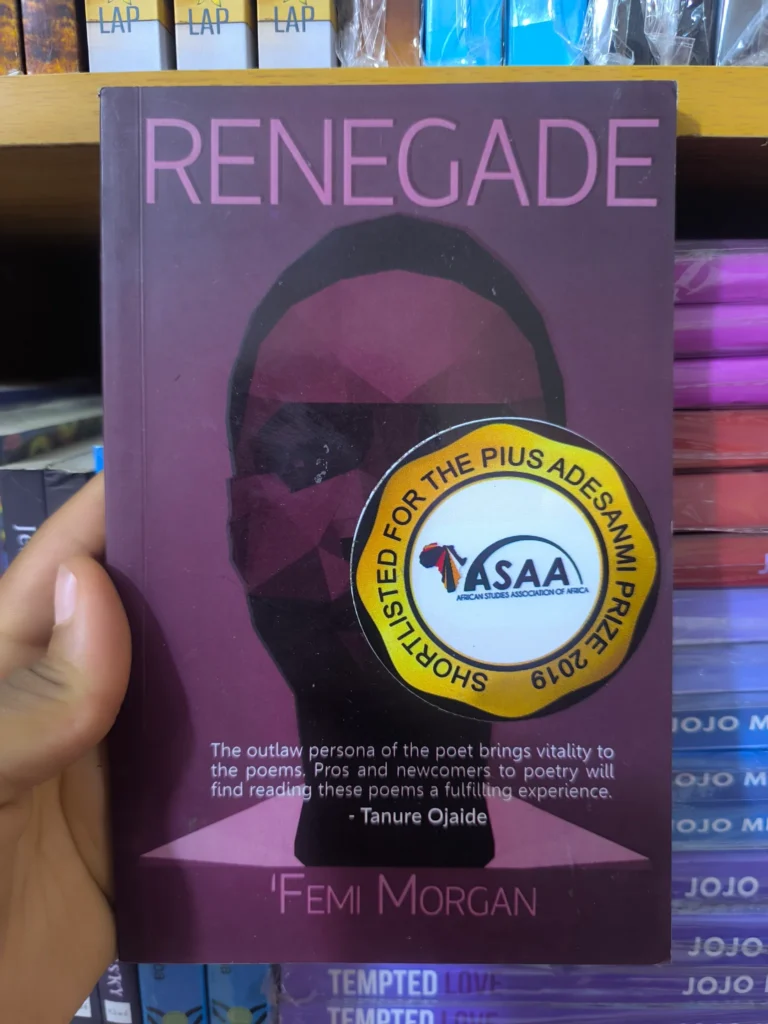
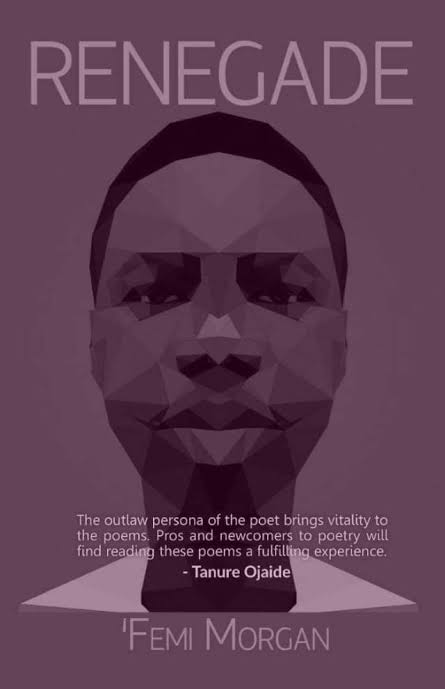
A Brazilian academic has spent the better part of six years translating a Nigerian poet’s collection into Portuguese. This project is tentatively scheduled to appear as a full book in 2027. The translator is Samuel Delgado, a researcher and language lecturer at the Instituto Federal do Espírito Santo in Guarapari, Brazil. The poet is Femi Morgan, a journalist, publisher and cultural figure whose collection Renegade was published in 2019 by Baron’s Cafe, an imprint of Fairchild Media (now Fairchild & Brave).
The translation has moved slowly, delayed by the COVID-19 pandemic, Delgado’s academic commitments, and a planned Nigeria-Brazil exchange programme in 2023 that never materialised. But excerpts have circulated, including “This Reincarnate Country” rendered as “Este país reencarnado,” “This Is a Voice” as “Esta é a voz,” and “Dakar,” Morgan’s poem dedicated to Tade Ipadeola.
Why This Matters
On its surface, this is a niche literary story: one academic translating one poet. But the context makes it something more. Brazil’s Law 10.639/2003 requires schools to teach African history and Afro-Brazilian culture, creating a sustained demand for African literature in Portuguese. Chimamanda Ngozi Adichie, Chinua Achebe, Wole Soyinka, Amos Tutuola, Flora Nwapa, Buchi Emecheta, Ayọ̀bámi Adébáyọ̀, Akwaeke Emezi and Chigozie Obioma all circulate in Portuguese editions. D.O. Fagunwa’s Ogboju Ode Ninu Igbo Irunmole is available in both Portuguese and Yoruba.
Morgan’s Renegade joins this lineage—not through a major publishing house, but through the patient labour of a single translator who believes the work deserves to travel.
Who Is Femi Morgan?
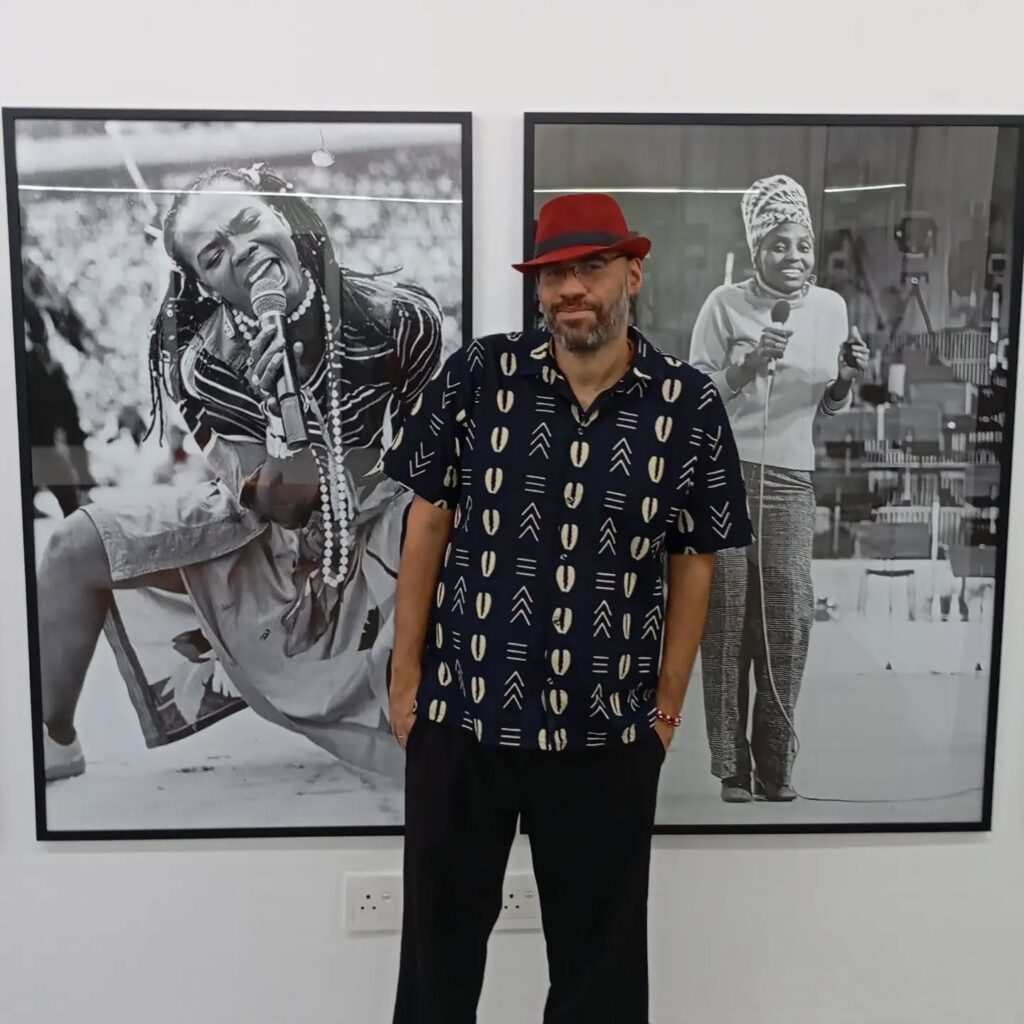
Morgan is not a household name in Nigerian literature, but he is a connective tissue within it. He has published six poetry collections, including The Year of Fire, which was shortlisted for the Glenna Luschei Prize and judged by Chris Abani as “an unusual and startling volume” that unfolds “the search for self, country, nationhood, freedom, political activism, self-determination and love without a trace of artifice” . Renegade, his 2019 collection, was reviewed as “millennial poetry” that challenges conventions of form, marriage, sexuality and technology, drawing on Yoruba homage poetry while speaking in a distinctly contemporary voice .
Beyond his own writing, Morgan has built platforms. He is curatorial and programming director at Griots and Bards and founder of Artmosphere Nigeria, both of which have hosted over 200 writers, poets, musicians and actors—Niyi Osundare, Tanure Ojaide, Victor Ehikhamenor, Chuma Nwokolo, Remi Raji, Tolu Oloruntoba, Jumoke Verissimo, Iquo Diana Abasi and Taiwo Ajayi-Lycett among them. He is a member of The PUNCH Editorial Board and has worked with the Lagos Book and Arts Festival, the Nigeria LNG Prize for Literature, and the Federal Ministry of Information and Culture.
The Translator’s Trajectory
Delgado’s interest is not casual. His research examines the relationship between East and West in Brazilian, Latin American and Afro-American literature. He holds a PhD in English Linguistic and Literary Studies from the University of São Paulo, where he was a CAPES scholarship recipient, and has published his own poetry collection, Álbum, which was nominated for the National Library Prize. He is also working on an annotated translation of haikus by Sonia Sanchez.
This is a translator who understands the political weight of literary exchange. The Nigeria-Brazil axis is not a neutral corridor; it is a route shaped by the transatlantic slave trade, by shared Yoruba cultural retentions in Bahia and Lagos, by a history that both countries are still reckoning with. Translating a Nigerian poet into Portuguese is not just a linguistic act. It is a small act of repair.
What This Means for Nigerian Literature
The honest assessment is that this translation will not make Femi Morgan a star in Brazil. The market for poetry is small everywhere, and a translated collection from a Nigerian poet published by a small press will reach a limited readership.
But that is not the only measure of value. What this project represents is the kind of slow, unglamorous infrastructure that Nigerian literature needs more of: translators who commit to a body of work over years, not months; small presses willing to take risks on writers outside the obvious names; and academic networks that treat African literature as a serious field of study, not a diversity checkbox.
Morgan’s work is not the most commercially visible Nigerian poetry being published today. But it is the kind of work that builds a literature. The fact that a Brazilian scholar has spent six years on it suggests that someone, somewhere, believes it matters enough to cross a language, an ocean, and a pandemic to bring it to new readers.
Renegade is expected in Portuguese in 2027. The English edition remains available from Fairchild & Brave.









Leave a comment