

By Chibuzor Alli
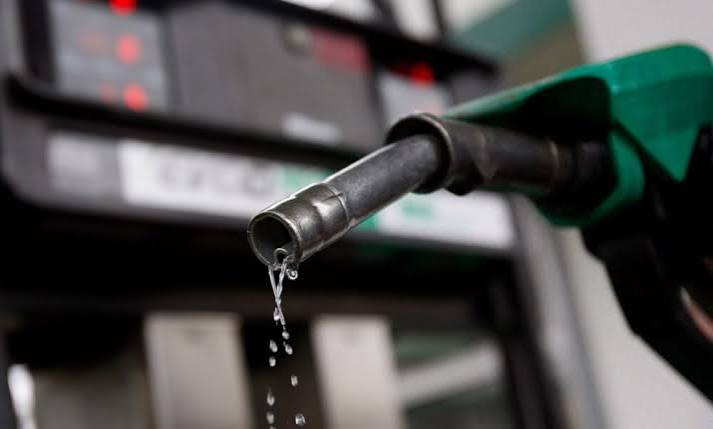
Nigeria’s planned petrol price relief could carry a bill of up to N1.77tn if it remains in place into 2027, raising concerns about its potential impact on government finances, the naira and investor confidence.
BMI, a research firm owned by Fitch Solutions, estimates that the intervention could cost between 0.2 and 0.4 per cent of Nigeria’s Gross Domestic Product (GDP), depending on how long the measures remain in effect.
It stated, “Although the government has not disclosed the package’s cost, our initial estimates suggest it will amount to around 0.2-0.4 per cent of GDP assuming the measures are removed in early Q2 2027, broadly in line with the pre-election spending increases already embedded in our forecasts.”
Using Nigeria’s 2025 nominal GDP of approximately N441.5tn, the projected cost translates to between N883bn and N1.77tn. These naira estimates are calculations based on the GDP figure and BMI’s projections, rather than an official government cost assessment.
Six-month extension raises fiscal concerns
The intervention was initially announced as a 30-day measure by Finance Minister Taiwo Oyedele on October 8. Under the arrangement, Nigerian National Petroleum Company Limited’s retail outlets would sell petrol without adding a retail profit margin.
The government also proposed a wholesale petrol price benchmark of N1,350 per litre. Refiners and importers would absorb costs above the threshold and recover their losses when crude oil prices fall.
However, BMI expects the discount arrangement to last considerably longer than the initial period, potentially remaining in place for about six months.
It stated, “We expect the discount mechanism to remain in place for roughly six months before being phased out in late Q1 or early Q2 2027.”
The projection partly reflects the possibility of lower international crude oil prices following a potential agreement between the United States and Iran in early 2027.
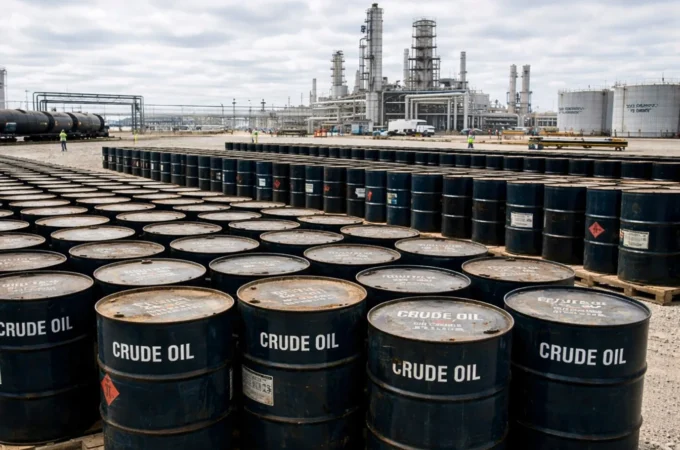
Other elements of the government’s package include forward crude oil sales to domestic refineries, a strategic fuel reserve, expanded cash transfers and additional assistance for vulnerable households.
Budget deficit could widen
BMI also expects Nigeria’s budget deficit to increase from 1.7 per cent of GDP in 2025 to 3.3 per cent in 2026, citing anticipated fiscal pressures ahead of the 2027 general elections.
The firm warned that keeping the petrol discount beyond its intended period could reduce government revenue and limit the resources available for infrastructure, public services and national security.
It stated, “We see significant macroeconomic risks if the NNPC fuel discount mechanism is not removed and instead becomes entrenched.”
Unlike the former petrol subsidy regime, which required the government to absorb the gap between regulated pump prices and market costs, the current arrangement relies on NNPC Retail Limited giving up its retail profit margin.
Nevertheless, BMI cautioned that the arrangement could still have significant economic consequences if it becomes permanent.
Lower remittances from NNPC could put additional pressure on public finances, while concerns about fiscal discipline could increase borrowing costs and add to the government’s debt-servicing burden.
The firm also warned that reduced retail margins could discourage investment across the downstream petroleum industry.
Smuggling could increase pressure on the naira
The potential effects extend beyond government spending. BMI warned that discounted petrol could encourage cross-border smuggling if prices in Nigeria become substantially lower than those in neighbouring countries.
An increase in smuggling could raise domestic fuel requirements and increase demand for foreign exchange, potentially worsening dollar shortages and putting renewed pressure on the naira.
The firm added that concerns about a possible reversal of economic reforms could weaken foreign portfolio investment, reducing an important source of foreign currency inflows.
Such developments could complicate efforts to maintain exchange rate stability while managing the cost of the intervention.
Dangote Refinery faces potential risks
BMI also raised concerns about the implications of greater government involvement in petroleum pricing for the Dangote Refinery and its planned initial public offering.
The research firm warned that requiring suppliers to sell fuel at cost without a clear mechanism for recovering forgone profits could weaken their financial performance.
Tighter price controls could also make domestic sales less attractive to refiners, potentially encouraging them to direct more products towards export markets.
However, BMI identified forward crude oil sales to local refineries as a potentially more effective way to improve domestic fuel supply, although previous implementation challenges remain a concern.
The firm cautioned that extending the temporary relief package indefinitely could create a lasting burden on government revenue, foreign exchange stability and investor confidence.
Government rejects fuel subsidy claims
The Federal Government has insisted that the petrol discount introduced by NNPC Retail Limited does not represent a return to the former fuel subsidy system.
According to the government, the price reduction is being funded through the company’s decision to surrender part of its retail profit margin, rather than through direct payments from the federal budget or the Federation Account.
The distinction remains central to the government’s explanation of the policy. However, BMI’s assessment focuses on the wider economic risks that could emerge if the intervention continues for longer than planned.





Leave a comment