

By Chibuzor Alli
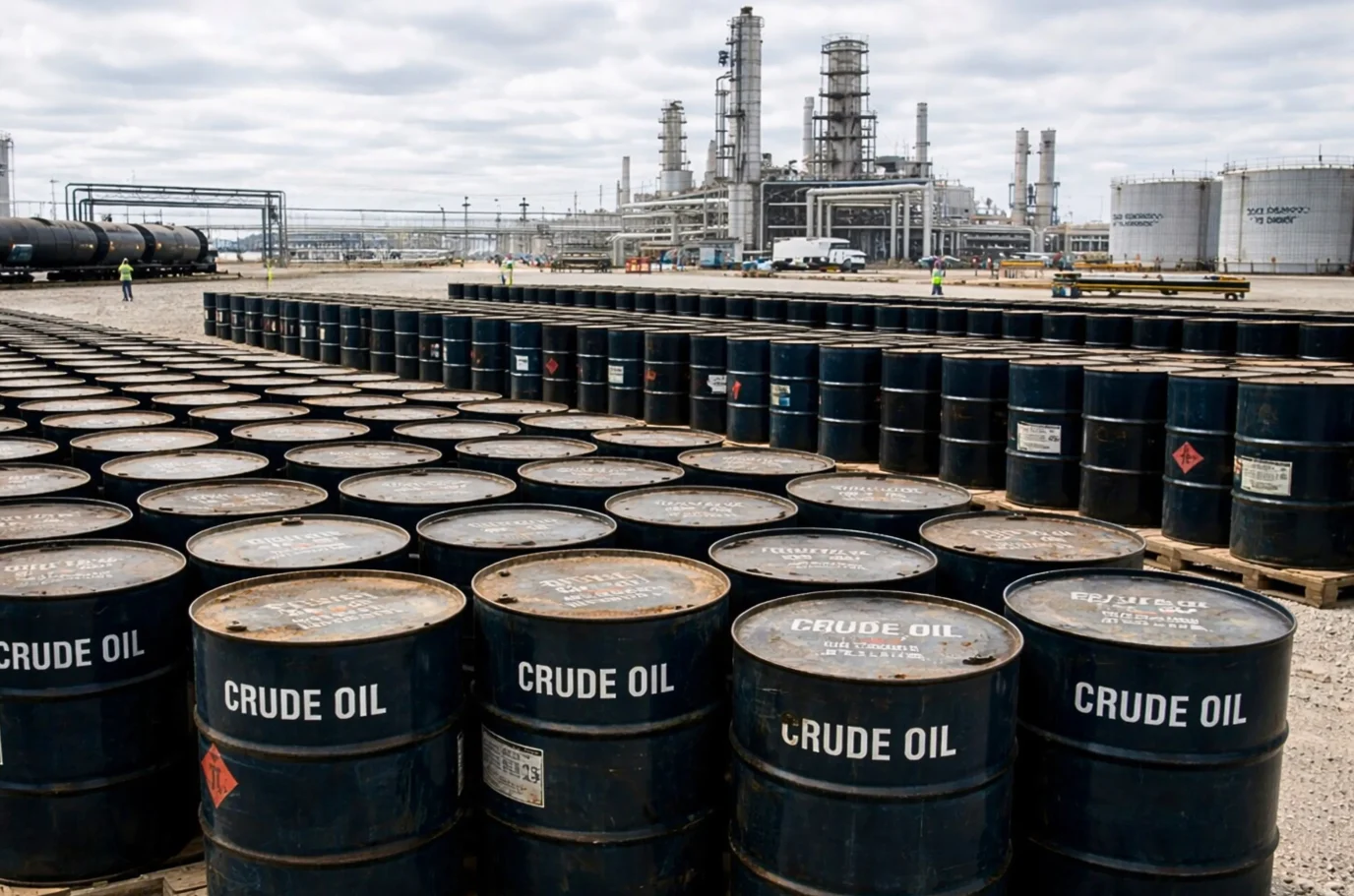
The ongoing Middle East conflict has caused cumulative crude oil and condensate production losses exceeding two billion barrels, with about five million barrels per day of output still offline as of October 6, energy intelligence firm Kpler has reported.
In its latest report, the firm said the conflict continued to disrupt regional oil supplies, with Iran accounting for a substantial share of the production shortfall.
Although Middle Eastern crude oil and condensate exports have temporarily recovered to pre-war levels, Kpler attributed the improvement to higher-than-usual production in the United Arab Emirates and a likely temporary increase in Saudi Arabia’s output.
The report said Saudi Arabia’s crude production approached its capacity of 12 million barrels per day towards the end of September, while its crude oil and condensate exports averaged 9.1 million barrels per day in the week beginning September 21.
The export volume was the highest recorded since the COVID-19 pandemic.
However, Kpler estimated that approximately five million barrels per day of Middle Eastern crude oil and condensate production remained offline compared with February 2026 levels.
Iran continued to account for a significant portion of the shortfall, with its production largely meeting domestic demand and limited additional supply available from onshore crude inventories, the firm said.
The outlook for Saudi Arabia’s oil supply also remained uncertain despite the recovery of flows through its East-West pipeline, which transports crude across the kingdom towards the Red Sea.
According to the report, Saudi officials said pipeline operations resumed five to six days after the facility was hit, with flows recovering to 5.8 million barrels per day.
Despite the recovery, Kpler projected that Saudi Arabia’s crude supply would average about nine million barrels per day in October, citing the risk of further attacks on the kingdom’s oil infrastructure.
The report said Houthi strikes had damaged the Jazan and Najran airports in southwestern Saudi Arabia, while the group also claimed attacks on Riyadh’s airport and the Rabigh refinery.
A Houthi official reportedly warned that Saudi oil facilities and the Bab al-Mandeb Strait could also be targeted if Iran wanted it.
Kpler said the threat of additional attacks could prevent Saudi Arabia from sustaining higher production levels in the coming weeks, despite the recent recovery in pipeline flows.
The firm’s data further showed that Saudi Arabia’s oil supply balancing factor recorded an average surplus of 1.7 million barrels per day in August, suggesting that the country accumulated approximately 50 million barrels in stocks during the month.
The conflict between the United States and Iran began on February 28, triggering the closure of the Strait of Hormuz and a sharp increase in global oil prices.











Leave a comment