

By Chibuzor Alli
The International Monetary Fund has urged the Federal Government to resist calls to reinstate blanket petrol subsidies, recommending targeted financial support for vulnerable Nigerians amid rising energy costs and mounting political pressure ahead of the elections.
The Director of the IMF’s Fiscal Affairs Department, Rodrigo Valdés, gave the advice on Wednesday during the IMF and World Bank Group Annual Meetings in Bangkok, Thailand.
Responding to a question on demands for the restoration of petrol subsidies in Nigeria, Valdés acknowledged the political difficulties associated with rising fuel prices but warned that subsidising consumption across the board would place a heavy burden on government finances.
He said, “At the end of the day, it’s very tempting politically speaking because it’s not trivial the political effect of the price of oil, of fuels, of gasoline, of diesel.
“But you have to explain that this is a global shock, first. Second, that it’s very, very expensive for the country not to recognise that shock.
“And third, it’s much better to use some of that money that would be spent in the subsidies channelled towards more vulnerable people.”
The IMF official argued that governments would achieve better results by directing limited public funds towards households most affected by rising living costs rather than subsidising fuel for all consumers, regardless of their income levels.
He suggested that transportation support could provide a more effective alternative to a general reduction in fuel prices.
“Yeah, gasoline could go up, and perhaps bus fees may be subsidised in a way. That is a much better policy at the end of the day than just a blanket subsidy for everybody,” Valdés said.
The IMF has consistently raised concerns about the fiscal implications of universal fuel subsidies, arguing that they can strain public finances while disproportionately benefiting wealthier households that consume more petroleum products.
Valdés’ warning comes amid renewed concerns over petrol affordability in Nigeria following increases in international energy prices and their impact on transportation costs and household spending.
In response to the pressure, the Federal Government recently introduced a 30-day petrol price discount at Nigerian National Petroleum Company Limited retail outlets, with public transport operators identified as priority beneficiaries.
The Minister of Finance and Coordinating Minister of the Economy, Taiwo Oyedele, said the arrangement would require NNPC Retail to temporarily forgo its profit margin and sell petrol at cost to reduce the financial burden on consumers.
Oyedele, however, stressed that the intervention was temporary and did not represent a return to the petrol subsidy regime.
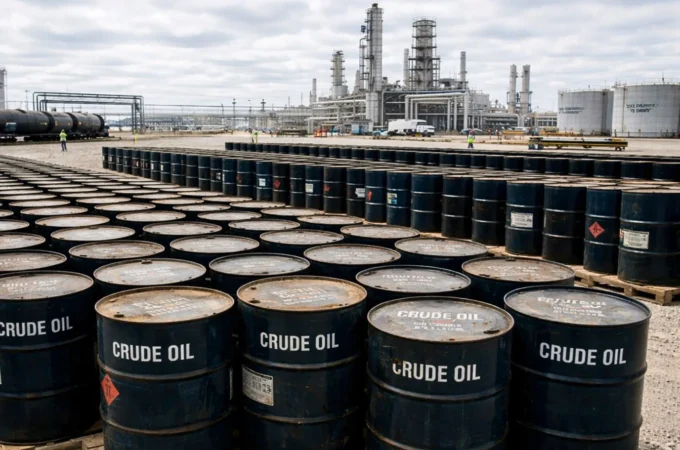
Beyond the pressure on government finances, Valdés warned that fuel subsidies could worsen global supply constraints by discouraging consumers from reducing their consumption when petroleum products become scarce.
According to the IMF, keeping fuel prices artificially low during supply disruptions could sustain demand and contribute to further increases in international prices.








Leave a comment