

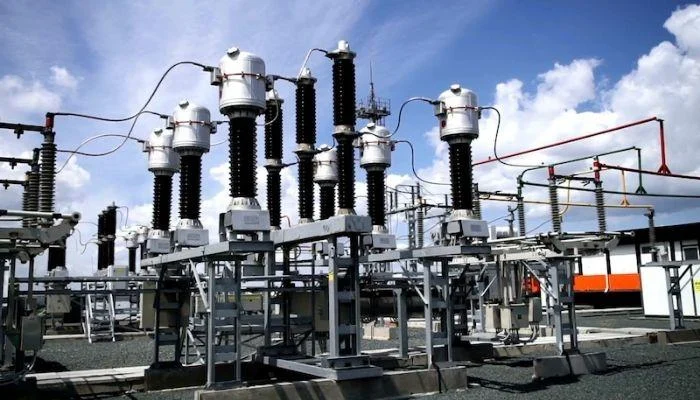
Nigeria is preparing for a major change in its electricity sector as the Federal Government targets 2027 for a full Nigeria power subsidy exit.
The reform could help stabilise the power sector and attract fresh investment. However, it could also increase financial pressure on households, manufacturers and small businesses if the government does not protect vulnerable consumers.
The Minister of Power, Joseph Tegbe, recently announced the plan during a media session. He said the government would phase out electricity subsidies from 2027 while maintaining its commitment to better power supply.
Tegbe said the government intends to end what he described as the current subsidy arrangement in the power sector next year.
The announcement comes as the government works to resolve years of financial problems across the electricity value chain. Power generation companies, gas suppliers and other industry players have accumulated significant unpaid bills.
The government hopes to clear verified liabilities and restore confidence among investors. President Bola Tinubu has already approved a ₦4 trillion bond programme to address verified debts in the sector.
An initial ₦501 billion tranche was issued in January, followed by another ₦729 billion in July.
Despite these interventions, major challenges remain across the sector.
Why Nigeria Wants To End Electricity Subsidies
Electricity subsidies have become a significant burden on public finances.
According to data from the Nigerian Electricity Regulatory Commission, the Federal Government spent ₦418.79 billion on electricity subsidies in the fourth quarter of 2025. The government spent another ₦358.32 billion in the first quarter of 2026.
The subsidy system has also contributed to persistent liquidity problems within the electricity market.
Power generation companies reportedly face billions of naira in unpaid invoices. The Association of Power Generation Companies estimates that GenCos are owed about ₦6.5 trillion.
These financial problems affect the entire electricity chain. Distribution companies struggle to collect sufficient revenue, while generation companies struggle to pay gas suppliers and maintain their plants.
That cycle can ultimately reduce the amount of electricity available to consumers.
The government therefore sees the Nigeria power subsidy exit as part of a broader effort to create a commercially sustainable electricity market.
Households Could Face Higher Electricity Bills
For ordinary Nigerians, the biggest concern is the effect on electricity bills.
Removing subsidies could push electricity prices closer to the actual cost of supplying power. That could increase monthly bills for households, particularly consumers with higher electricity usage.
Low-income families could face an even greater challenge.
Many Nigerian households already spend significant amounts on transportation, food, water and alternative power sources. Higher electricity costs could place additional pressure on already stretched household budgets.
The government may therefore need stronger targeted support for vulnerable consumers before implementing the full reform.
A targeted assistance system could offer relief to low-income households without maintaining expensive blanket subsidies across the entire market.
Manufacturers Face Higher Production Costs
Manufacturers could also feel the impact of the reform.
Many Nigerian businesses already depend on generators because of unreliable grid electricity. They therefore pay for both electricity from the grid and alternative power sources.
Higher electricity tariffs could increase their overall energy costs.
Manufacturers may respond by increasing product prices, reducing production or cutting expenses elsewhere. Smaller businesses could face even greater pressure because they often operate with limited financial reserves.
Higher production costs could also affect the prices of food, consumer goods and other essential products.
That could add to Nigeria’s existing inflationary pressures.
Subsidy Removal Alone Will Not Fix The Power Sector
The biggest challenge is that subsidy removal cannot solve all of Nigeria’s electricity problems.
The sector still faces transmission constraints, technical losses, poor metering, weak revenue collection and gas supply challenges.
Distribution companies also need to improve billing and collection systems.
Without these improvements, consumers could pay higher tariffs without receiving significantly better electricity supply.
That outcome would make the Nigeria power subsidy exit difficult to sustain politically and economically.
The government must therefore link tariff reforms to measurable improvements in electricity supply.
What Nigeria Needs Before 2027
Analysts have identified several priorities that could determine whether the reform succeeds.
First, the government needs to clear verified debts across the electricity value chain. Doing so could improve the financial position of generation companies and encourage investment.
Second, regulators must prevent new arrears from building up. Cost-reflective tariffs can help, but regulators must also ensure that operators meet service expectations.
Third, vulnerable households need targeted protection.
The government should also accelerate metering, reduce electricity losses and improve transmission infrastructure.
Reliable gas supply remains equally important because gas-fired power plants provide a large share of Nigeria’s electricity generation.
Renewable energy and decentralised power systems can also reduce pressure on the national grid. Solar mini-grids, embedded generation and other off-grid solutions could provide more reliable electricity for communities and businesses.
A Difficult Political Decision
The timing of the reform could make implementation even more difficult.
Nigeria will enter the 2027 election season as the government prepares to remove electricity subsidies. Higher electricity prices could generate strong public opposition if consumers do not see meaningful improvements in supply.
The government will therefore face pressure to demonstrate results quickly.
Nigerians may be more willing to accept higher electricity costs if they receive reliable power in return. Without that improvement, the policy could become another source of economic frustration.
What The Power Subsidy Exit Could Mean For Nigeria
The Nigeria power subsidy exit represents more than an attempt to reduce government spending. It is a test of whether the country can finally build a financially sustainable electricity market.
A successful transition could attract investment, improve power generation and strengthen electricity infrastructure.
Poor implementation, however, could increase household expenses, raise production costs and deepen inflation.
The government must therefore balance three priorities: making the electricity market financially viable, improving service delivery and protecting Nigerians who cannot afford higher energy costs.
The 2027 deadline could ultimately become a turning point for Nigeria’s power sector. Whether it produces stronger electricity infrastructure or greater economic pressure will depend on how carefully the government manages the transition.









Leave a comment