

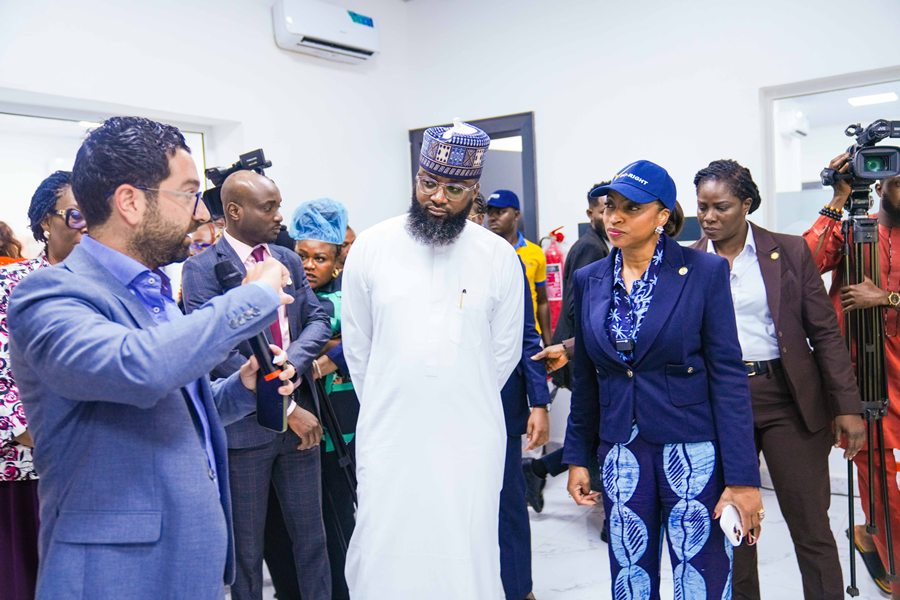
The NASENI Troment factory disease control initiative has attracted global attention following a visit by Harvard University experts. The team praised the facility’s role in tackling malaria and other infectious diseases. Their visit took place in Abuja during a leadership programme focused on malaria eradication.
Moreover, the experts described the factory as a major step toward strengthening Nigeria’s healthcare system.
Harvard Experts Applaud Local Innovation
About 85 global professionals joined the visit. The group included scientists, medical experts, and policymakers. They are part of Harvard’s “Science of Defeating Malaria” leadership programme.
During their tour, the team commended the establishment of the NASENI-Troment Biotechnologies factory. They described it as a critical move for Nigeria and Africa. According to them, local production of diagnostic tools will support disease control efforts.
The experts also praised the factory’s full Nigerian ownership. They noted that this achievement reflects growing confidence in local innovation.
In addition, the factory has a large production capacity. It can produce up to 600 million diagnostic kits each year.
Factory to Boost Diagnostic Capacity
Selim Hani, CEO and co-founder of NASENI-Troment Biotechnologies, explained the vision behind the project. He said the factory is a partnership between NASENI and Troment Nigeria Limited. The goal is to strengthen healthcare independence.
He revealed that the facility produces rapid diagnostic tests and PCR kits. These tools support early detection of major diseases. As a result, healthcare providers can respond faster.
The factory will produce test kits under the N-CheckUP brand. These kits will cover diseases such as malaria, HIV, hepatitis, and COVID-19. They will also include tests for pregnancy, typhoid, and blood glucose levels.
In addition, the factory has a large production capacity. It can produce up to 600 million diagnostic kits each year. This scale will reduce reliance on imported medical supplies.
Africa’s First Fully Localised RDT Factory
Dr. Engin Narinc, the technical partner, highlighted the uniqueness of the facility. He described it as Africa’s first fully localised rapid diagnostic test factory.
According to him, the factory handles every stage of production locally. From design to manufacturing, the process remains within Africa. This approach ensures quality and sustainability.
He also stated that the factory will deliver world-class diagnostic solutions. These solutions are built specifically for African healthcare needs.
With strong production capacity and advanced technology, the factory offers long-term benefits. It reduces dependence on imports and improves access to testing.
Impact on Malaria Eradication Efforts
Professor Dyann F. Wirth led the Harvard delegation. She is a leading expert in malaria research. During the visit, she expressed strong support for the project.
She described the facility as impressive and impactful. According to her, it will play a key role in fighting malaria. It will also support the control of other public health diseases.
The leadership programme runs from June 7 to June 13, 2026. It trains global professionals to eliminate malaria. The visit to the factory formed part of the programme’s activities.
Furthermore, the experts believe that improved diagnostics will accelerate disease control. Early detection helps reduce transmission and saves lives.
The NASENI Troment factory disease control initiative represents a major breakthrough for Nigeria’s healthcare sector. It combines local innovation with global expertise. As a result, it strengthens the country’s ability to fight infectious diseases.
With strong production capacity and advanced technology, the factory offers long-term benefits. It reduces dependence on imports and improves access to testing.
Ultimately, this development positions Nigeria as a leader in healthcare innovation across Africa.













Leave a comment