

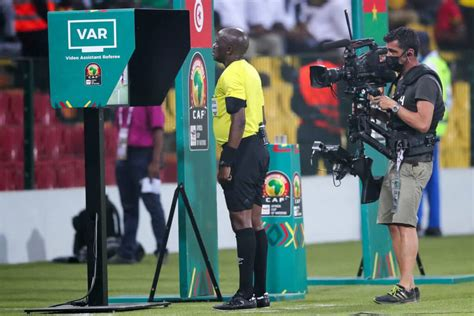
Nigeria is officially implementing Video Assistant Referee (VAR) in its home grounds. If you believe this multi-billion naira sports makeover is only about fixing bad offsides on a Sunday afternoon, then you are mistaken to some extent.
Nigeria’s involvement in the VAR at the centre of a huge federal sports modernization initiative represents something much grander – a bold attempt to make a comeback to the international sporting arena.
The continent’s economic juggernaut has been marginalized from the hosting of major international football tournaments for a number of years due to the poor quality of the stadiums’ digital infrastructure which FIFA and CAF require for such tournaments. The recently approved multi-billion naira development programme will seek to break those constraints from the ground up – beginning at the iconic Moshood Abiola National Stadium in Abuja.
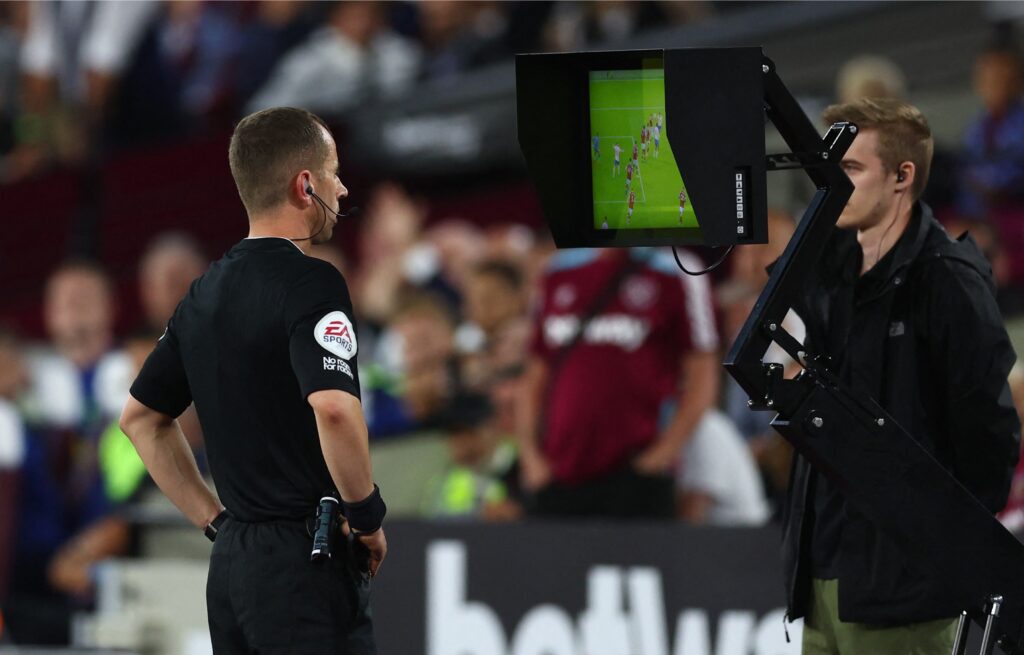
Picture Credit: DAVID KLEIN / REUTERS
The Infrastructure Playbook
The Federal strategy is no longer just another luxury, it’s the last piece of the puzzle in a whole structural rebirth. The new, overhaul plan for the Abuja stadium, which is the flag ship in the city, will take it beyond being just a grassy field and a few stands.
The redevelopment blueprint directly targets the criteria set by international sporting organisations for giving tournament hosting rights:
Elite Match Integrity: Putting VAR technology at the heart of local football integrity and the rigorous transparency standards of international football.
Scientific Support: Construction of high performance sports centre and state-of-the-art anti-doping lab.
Commercial Viability: Use of existing athlete accommodation to create a consistent income from commercial hospitality.
Physical foundations: Full redevelopment of playing surface, upgrading of media and VIP facilities and re-engineering of security and lighting.
Decentralizing the Game
But, most importantly, the National Sports Commission (NSC) is not only targeting the capital. Chairman Mallam Mallam Shehu Dikko has introduced a decentralized grassroots initiative that works towards creating a true sporting culture that is capable of withstanding international scrutiny.
The plan calls for the construction of 20 mini-stadiums in the local communities and 15 dedicated sports centers in tertiary institutions in all the six geopolitical zones, in collaboration with the Federal Ministry of Education.
Treatment of this by President Bola Ahmed Tinubu as a structural shift, the government is hoping to create a self-sustaining ecosystem by obtaining the National Sports Infrastructure Development Bond.
The technical monitors and the high tech cameras coming onto Nigerian touchlines are more than just a means to a fairer game. They are statements of purpose. Nigeria is creating an all-weather, well-funded street for the return of the world’s largest games.









Leave a comment