

Analysis
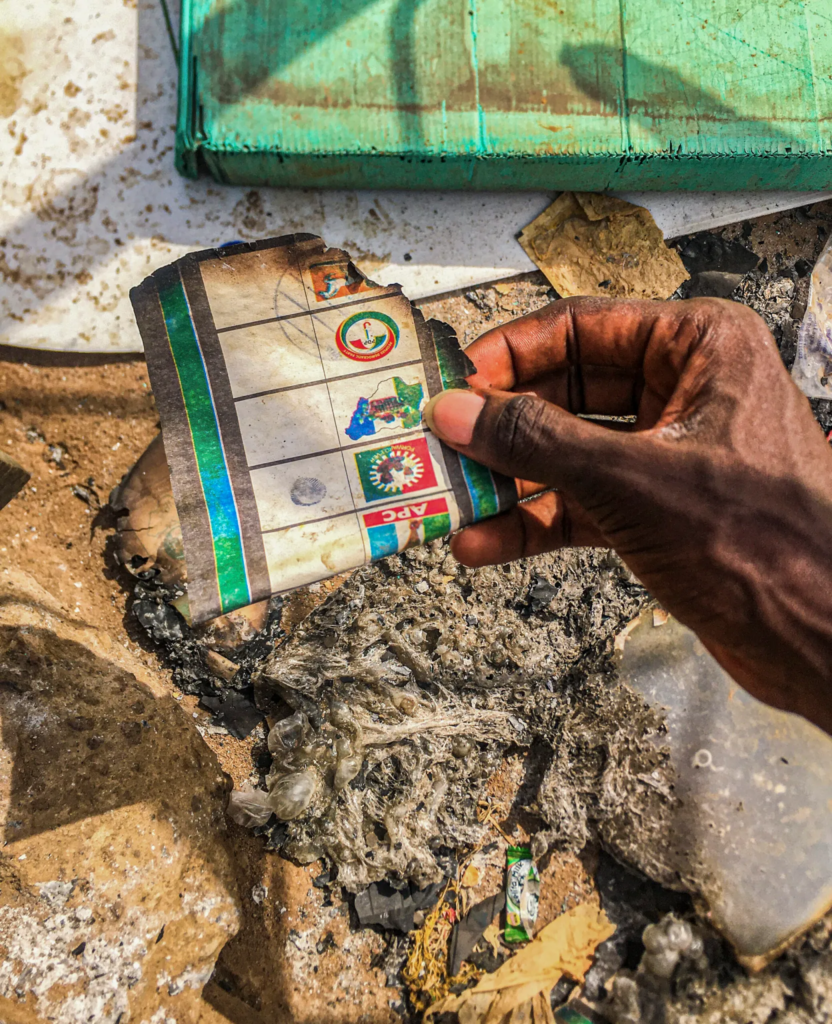
Nineteen political parties signed the National Peace Accord on 18 August 2026, pledging to reject violence, conduct issue-based campaigns and respect electoral institutions. Ten weeks later, the National Peace Committee reported 109 breaches across 26 states and the Federal Capital Territory, an average of roughly eleven incidents per week. The accord has not failed because its signatories are uniquely dishonest. It has failed because it has no enforcement mechanism, and the institutions that could provide one are either unwilling or unable to act.
Who Signed, and Who Did Not
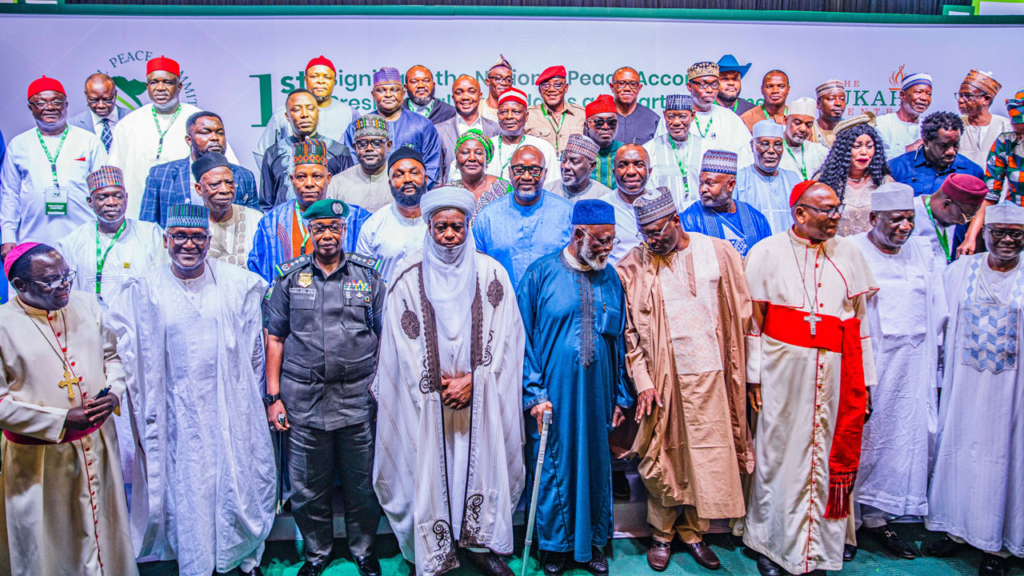
The 2027 accord was signed by President Bola Tinubu, who was represented by the Secretary to the Government of the Federation, George Akume; Peter Obi of the Nigeria Democratic Congress; Adewole Adebayo of the Social Democratic Party; Omoyele Sowore of the African Action Congress; and Donald Duke of the People’s Redemption Party . Atiku Abubakar of the African Democratic Congress and Seyi Makinde of the Allied Peoples Movement were absent, though Makinde’s running mate attended in his place . The absence of a leading challenger, as human rights lawyer Toluwa Odheke noted, makes the instrument weaker on its face than one signed by every serious contender .
The ceremony itself was marked by scepticism from the signatories. Obi observed that politicians should not need a peace accord before conducting themselves responsibly: “We don’t even need to sign this. We’re seeking an office where we should be exemplary” . Sowore dismissed the exercise as a ritual and argued that Tinubu’s absence, as Commander-in-Chief and the official controller of state violence, rendered the signatures of opposition candidates hollow . He attended, he said, only to symbolise his personal belief in free and fair elections, not because he believed the accord would bind anyone.
The 2023 Post-Election Record
The National Peace Committee’s own 2023 General Election Report provides the evidence that the scepticism is grounded. The report recorded 52 instances of infractions during the 2023 campaign, accounting for 89 clause violations. Of those, 38 infractions, or 43 per cent, were breaches of Clause 1, the commitment to focus on policy issues rather than personal attacks. The report found that “despite promises to the contrary, the listed campaigns have failed to abide by this and mostly resorted to personality-focused attacks, instead of policy attempts” .
The report was more specific about who was responsible. “Most of the recorded infractions were by the two major parties, the All Progressives Congress and the People’s Democratic Party,” it stated. “Notably, Reno Omokri of the PDP and Femi Fani-Kayode of the APC accounted for 30 of the 52 (58%) recorded infractions together” . The report also noted that the conduct of the parties during the campaign was “building up party supporters to reject the outcome of the vote,” which “risked throwing Nigeria into a major mayhem” . The NPC summoned an emergency meeting on 19 January 2023, presented the infractions to the parties and candidates, and secured a recommitment. The breaches continued. No one was sanctioned.
The 2023 report also documented the context that made the accord necessary and its enforcement impossible. Voter turnout in the presidential election was 29 per cent, down from 69 per cent in 2003. President Tinubu won with fewer than nine million votes out of 93 million registered voters. The report attributed the trust deficit partly to the conduct of officials who “failed to comply with laws, policies and the guidelines already put in place,” and to the failure of technology, including BVAS malfunction and the absence of results on the IReV portal as late as 21:00 on election day . An accord signed by political actors cannot compensate for an electoral management body that the public does not trust.
Voices on the Accord’s Limits
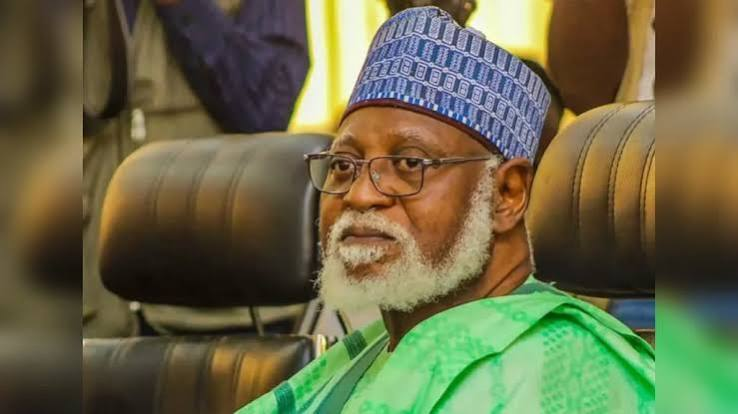
The critique of the accord is not confined to politicians. The National Peace Committee itself acknowledged through its secretariat that it “does not possess statutory powers to arrest, prosecute or impose legal sanctions on political actors” . Asabe Ndahi, Project Manager at the Kukah Centre, said the committee’s experience of the 2023 cycle had reinforced the need to move from documentation to accountability, and that for 2027 it is strengthening monitoring through an Election Security Information Hub. But the hub verifies and refers; it does not punish .
Public affairs commentator Henry Bassey put the problem plainly: “People take agreements more seriously when there are consequences for breaking them.” He added that “no offender of the agreement has been punished,” which he described as “one of its major weaknesses” . The Nextier Group’s policy analysis reached the same conclusion in 2024: “The absence of punitive measures, such as disqualification from elections, fines, or criminal prosecution, undermines the seriousness of the commitment made by political elites” . It noted that after the 2019 elections, despite public commitments to non-violence, “political actors in several states orchestrated or condoned violence, and no significant legal action was taken against them” .
Human rights lawyer Toluwa Odheke framed the choice precisely: “The Peace Accord says, ‘Please don’t break the rules’; an Electoral Offences Commission says, ‘If you break the law, you will face the consequences'” .
The Data from 2027
The breaches recorded between August and October 2026 follow the pattern the 2023 report established. Political violence and thuggery accounted for 33 incidents, or 30.3 per cent of the total. Misinformation and disinformation followed with 29 cases, or 26.6 per cent. Attacks on campaign assets recorded 19 incidents, intimidation and threats 15, restrictions on expression and assembly seven, inflammatory statements four, and one each for intra-party conflict and voter inducement. The four leading categories accounted for 88 per cent of all breaches. Kaduna recorded the highest number with nine incidents, followed by Edo, Enugu and the FCT with seven each.
The NPC documented specific cases: Peter Obi’s convoy obstructed near Makurdi in September; armed disruptions of NDC and PDP gatherings in Enugu; a PDP consultation disrupted by gunmen in Calabar South; an ADC supporter shot in Igueben, Edo State; and a death during a political procession in Ibadan. It also recorded an alleged threat by an APC state chairman to “unleash AK-47 fire” and a local government chairman in Taraba warning civil servants against voting for other candidates.
What This Means for Nigerians
For Nigerians at home, the breaches are not abstract. They mean that a supporter in Kaduna or Edo may face intimidation for attending a rally, and that a candidate’s convoy may be obstructed without consequence. For the diaspora, the data confirms that the campaign environment is deteriorating in specific, identifiable states. The 2023 report showed that even when the NPC documented infractions and summoned the parties, the breaches did not stop. The 2027 data shows the same pattern repeating.
The peace accord’s failure does not mean violence is inevitable everywhere. It means that the states identified by the NPC, Kaduna, Edo, Enugu, the FCT, Oyo, Cross River, Benue and Kogi, require focused monitoring and protection. Without enforcement, the accord is a press release, not a shield. The 2023 report’s own conclusion remains the most honest assessment available: the elections were “acceptable as far as peaceful transition of power is concerned,” but the impact of the NPC’s work “may not have matched in full measure” the expectations of Nigerians, “majorly as a result of non-compliance with the Peace Accord by the key political actors” . The same sentence will likely be written about 2027.






Leave a comment