

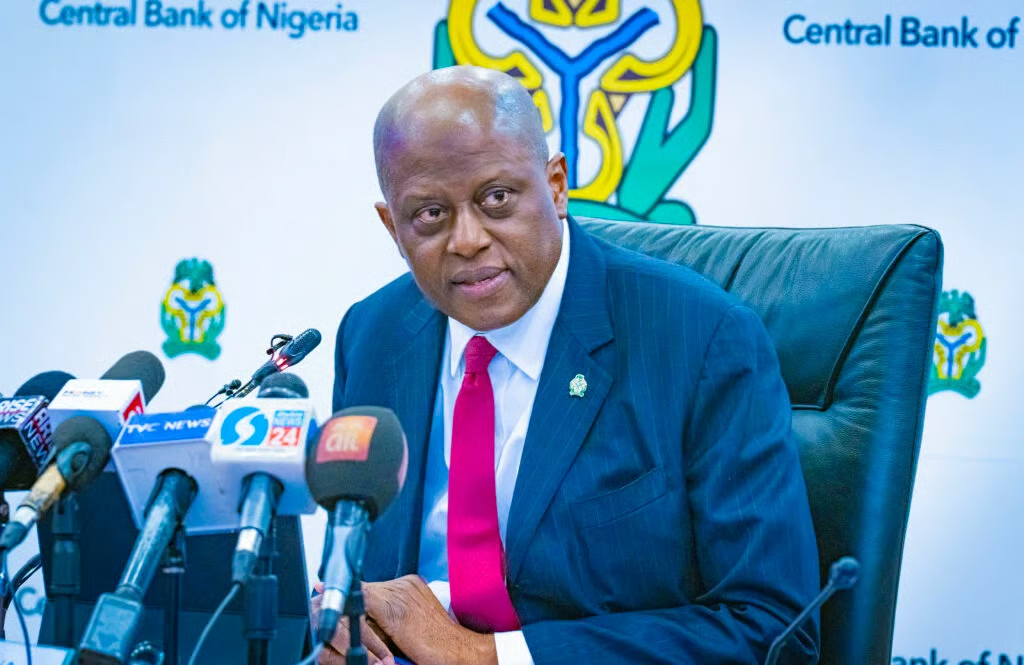
The CBN licence revocation of 46 microfinance banks (MFBs) is creating ripple effects across Nigeria’s financial technology sector, with companies such as Chipper Cash, Creditville and Sycamore among those affected.
The Central Bank of Nigeria (CBN) announced that the licences were revoked because several institutions failed to meet regulatory requirements. According to the apex bank, the affected MFBs either lacked sufficient assets to meet liabilities, remained inactive, closed operations without approval, failed to begin operations within the required period or did not maintain the minimum capital threshold.
The decision took effect on July 1, 2026, and has disrupted business operations for fintech firms that rely on microfinance bank licences to provide banking services.
Why the Decision Matters to Fintech Companies
Many fintech companies use microfinance banks as a gateway to offer regulated financial services.
Some firms acquire existing MFBs to expand into digital banking. Others depend on licensed microfinance banks to process customer transactions and provide banking infrastructure.
As a result, the CBN’s action extends beyond traditional banking and directly affects several digital financial service providers.
Chipper Cash Faces Transaction Challenges
Chipper Cash, the payment and investment platform founded by Ham Serunjogi and Maijid Moujaled, is among the companies impacted by the regulatory action.
The fintech relies on Iwade Microfinance Bank to support part of its banking infrastructure in Nigeria.
According to the company’s user agreement, Iwade Microfinance Bank provides services for domestic peer-to-peer mobile money transfers, while Voyse Technologies Nigeria Limited handles international remittances.
Although Chipper Cash has not officially commented on the licence revocation, users began reporting difficulties accessing the platform shortly after the CBN’s announcement.
Many customers took to X to complain about failed transactions and temporary service disruptions.
Chipper Cash currently serves more than five million users and processes over 250,000 transactions every day.
Creditville Engages CBN After Licence Withdrawal
Creditville, founded by Michael Uwakwe, also faces uncertainty following the revocation of its microfinance banking licence.
The company entered the banking space after acquiring TouchGold Microfinance Bank in 2022.
Following the acquisition, the institution became Creditville Microfinance Bank, providing the banking licence that powers the company’s digital banking platform known as C Money.
The application has recorded more than 100,000 downloads.
In response to the development, Creditville Group confirmed that it is engaging directly with the Central Bank of Nigeria.
The company assured customers that their funds remain protected.
“Our customers’ interests are at the centre of every conversation we are having with the regulator, and we intend to see this matter through to a resolution that protects the people who have placed their trust in us. All customer funds are safe, secure, and fully accessible.”
Creditville also reaffirmed its commitment to regulatory compliance and customer protection throughout the process.
Sycamore’s Expansion Plans Interrupted
Fintech company Sycamore, co-founded by Babatunde Akin-Moses, also appears on the list of affected firms.
The company acquired an unnamed microfinance bank in May 2026 and later rebranded it as Sycamore Microfinance Bank.
The acquisition formed part of Sycamore’s strategy to expand beyond lending and investment services into full banking operations.
However, the CBN revoked the licence only two months after the acquisition.
Speaking on the development, Akin-Moses explained that the company had only recently completed the acquisition.
“We just acquired the license and changed the name. Hardly done much with it when this happened anyway.”
He added that Sycamore was still integrating the microfinance bank into its operations when the regulator withdrew the licence.
The company also assured customers that their funds remain safe because they are held with commercial banks.
According to information on the Google Play Store, the Sycamore investment and loan application has attracted more than 100,000 users.
The platform has also processed over 500,000 transactions valued at approximately $35 million.
Wider Impact on Nigeria’s Fintech Industry
The revocation of 46 microfinance bank licences represents one of the most significant regulatory actions affecting Nigeria’s fintech ecosystem in recent years.
Many digital finance companies depend on licensed banking institutions to provide payment processing, digital wallets, account services and other regulated financial products.
Industry stakeholders are expected to closely monitor how affected firms restructure their operations or secure alternative regulatory approvals in the coming weeks.
The CBN licence revocation has extended far beyond the microfinance banking sector, affecting fintech companies that depend on MFB licences to operate.
While Chipper Cash, Creditville and Sycamore have reassured users about customer funds, the regulatory action may reshape how fintech companies structure their banking operations and regulatory partnerships in Nigeria.












Leave a comment