

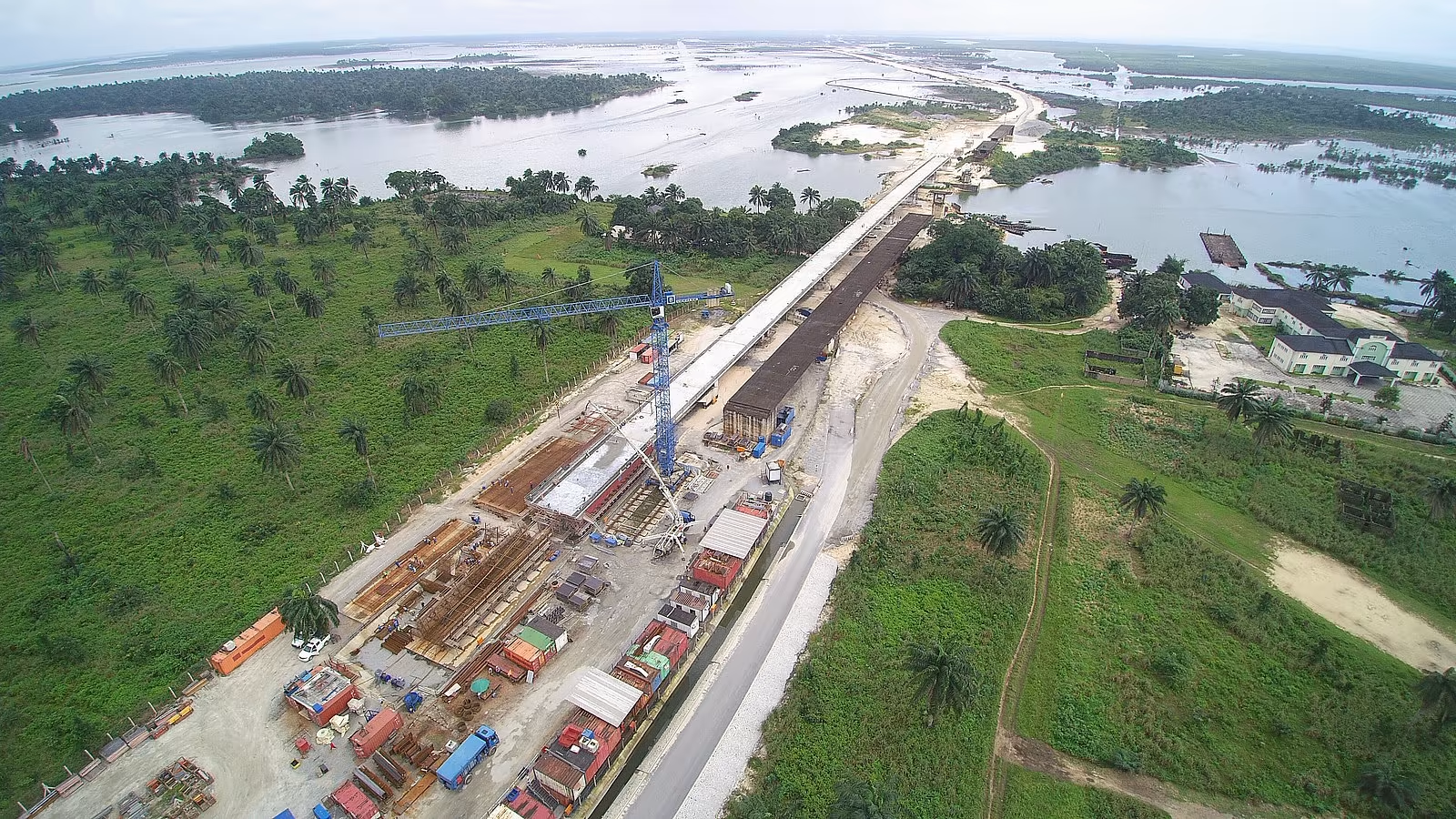
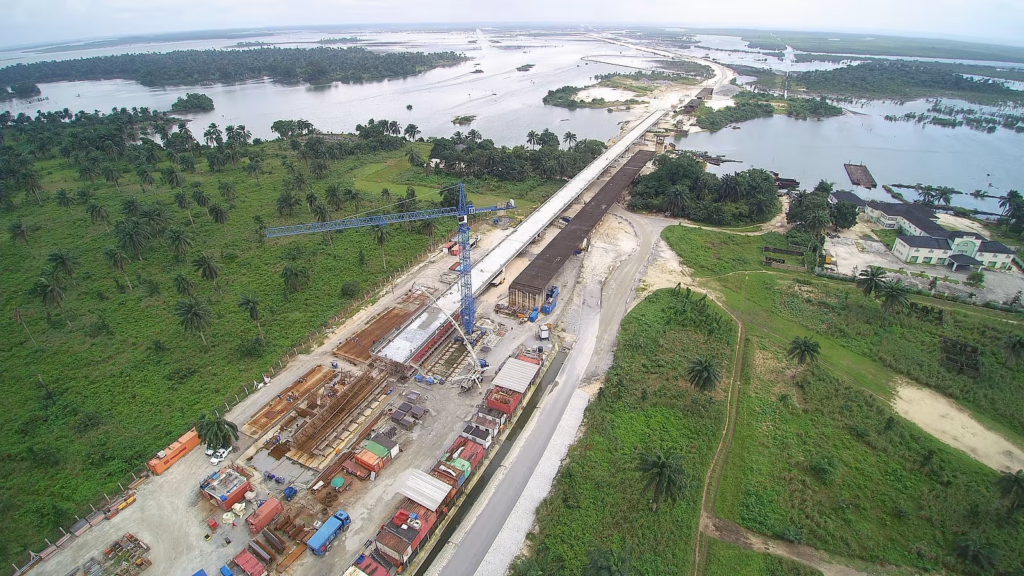
The Bodo-Bonny Road Project has reached completion in Rivers State after years of construction. Julius Berger Nigeria Plc delivered the project within budget despite difficult terrain. This major road now connects Bonny Island to the mainland for the first time. As a result, it strengthens economic activity and improves access across the Niger Delta.
A Landmark Infrastructure Achievement
The project spans about 37.9 kilometres and began on October 20, 2017. It faced several revisions during execution. However, the contractor maintained progress despite natural challenges.
This road represents a historic breakthrough. For decades, Bonny Island lacked direct road access to the rest of Rivers State. Now, residents and businesses can move goods and services more easily.
Moreover, the road supports industrial growth in Bonny Island. The area plays a key role in Nigeria’s economy due to its energy and export activities.
The Bodo-Bonny Road Project stands as a vital link in the Niger Delta. It enhances trade, reduces travel time, and improves security in the region.
Final Works and Enhancements Underway
Although the main construction is complete, finishing touches continue. Workers remain on-site to plant trees and install streetlights along the corridor. These efforts focus on areas such as the Kilometre 12 roundabout.
Additionally, engineers are completing bridge joints. Some imported materials arrived late, which delayed these final steps.
According to the project manager, the team will finish all outstanding work within two weeks. Interestingly, savings from the original budget now fund these extra features. This includes lighting and landscaping improvements.
He explained that the ministry did not need to allocate extra funds. Instead, the contractor used cost savings to enhance the project.
Government Oversight and Cost Justification
The Minister of Works, Dave Umahi, played a key role in monitoring the project. During an inspection in October 2025, he directed that the road should open for use by November 2025.
He also defended the project’s cost. According to him, the road cost about N7.4 billion per kilometre. He described this as reasonable due to the challenging terrain.
Furthermore, he noted that similar projects today could cost over N15 billion per kilometre. The coastal environment required advanced engineering techniques and durable materials.
Umahi praised the quality of work and the commitment of the construction team. He expressed satisfaction with the progress and execution.
Strategic Importance and Future Expansion
The Bodo-Bonny Road Project stands as a vital link in the Niger Delta. It enhances trade, reduces travel time, and improves security in the region.
In addition, the Federal Government plans to install solar-powered streetlights and CCTV systems. These features will improve safety and monitoring along the road.
The project also highlights strong collaboration between the public and private sectors. Nigeria LNG Limited provided 50 percent of the funding support.
Meanwhile, the government has approved Phase Two of the project. Officials have already begun preparations to start work on the next phase.
This expansion will further strengthen connectivity and economic growth. It also signals long-term investment in infrastructure development.
Engineering Challenges and Technical Scope
The road construction faced serious environmental challenges. The terrain included marshlands, swamps, and tidal zones. These conditions made construction complex and demanding.
Engineers used advanced techniques to stabilise the soil. They also carried out extensive dredging to support the road structure.
The project included cross culverts, mini bridges, and creek bridges. It also involved modern bridge construction methods such as incremental launching.
Despite these difficulties, the contractor completed the project successfully. This achievement reflects strong technical expertise and planning.
The completion of the Bodo-Bonny Road Project marks a major milestone in Nigeria’s infrastructure development. It opens new economic opportunities for Rivers State and beyond.
Furthermore, the road improves access to Bonny Island and supports industrial growth. With Phase Two already approved, the project’s impact will continue to expand.
Ultimately, this development shows how strategic investment can transform communities. It also highlights the importance of collaboration in delivering large-scale infrastructure projects.









Leave a comment