

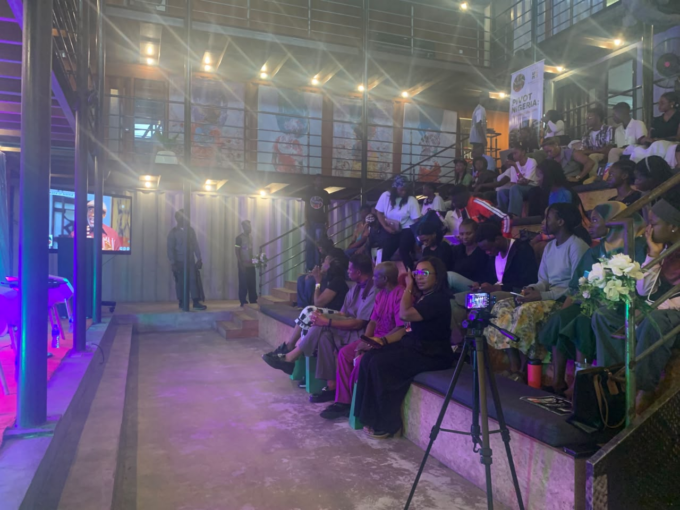
Academic Integrity in Africa has become a major focus for education stakeholders, as the West African Examinations Council (WAEC) pushes for stronger standards. The council believes integrity forms the backbone of credible education systems. Without it, qualifications lose global value. This message took centre stage at the 2026 Africa Top Schools Awards held in Lagos.
WAEC Stresses Integrity as Foundation for Quality Education
WAEC’s Head of National Office in Nigeria, Dr. Amos Dangut, highlighted the importance of honesty in academic processes. He spoke during the high-profile event that gathered key players in the education sector.
The event carried the theme, “The Seamless Arc: Building a High-Integrity Foundation as the Bedrock of Global Tertiary Competition.” It focused on preparing students for global opportunities.
Dangut explained that integrity drives every stage of assessment. It shapes how educators test, evaluate, and certify students. According to him, certificates must reflect true competence.
He warned that when institutions compromise standards, they weaken future success. Therefore, schools must protect the value of academic credentials at all costs.
Certificates Must Reflect Competence and Credibility
Representing Dangut, Akinsola Akinbode spoke on behalf of WAEC. He currently serves as the acting Head of the SPD Printing Division.
Akinbode described certificates as more than documents. He said they serve as proof of knowledge and ability. In his words, a certificate represents a promise that must never be broken.
He stressed that academic integrity supports national development goals. It also strengthens Nigeria’s position in global education rankings.
Furthermore, he warned that widespread examination malpractice could damage trust. If left unchecked, it may reduce confidence in African qualifications worldwide.
Integrity Builds Discipline and Lifelong Excellence
WAEC emphasized that integrity-based systems shape student behaviour. They encourage discipline, accountability, and excellence. These traits remain valuable throughout academic and professional life.
In addition, Dangut noted that students trained under honest systems perform better globally. They adapt faster and compete effectively with international peers.
As a result, educational institutions must adopt strict integrity measures. This step will help produce graduates who meet global standards.
Academic Integrity in Africa remains essential for building a competitive education system. WAEC continues to lead efforts to promote honesty and accountability in schools.
Top Schools Recognised for Excellence and Integrity
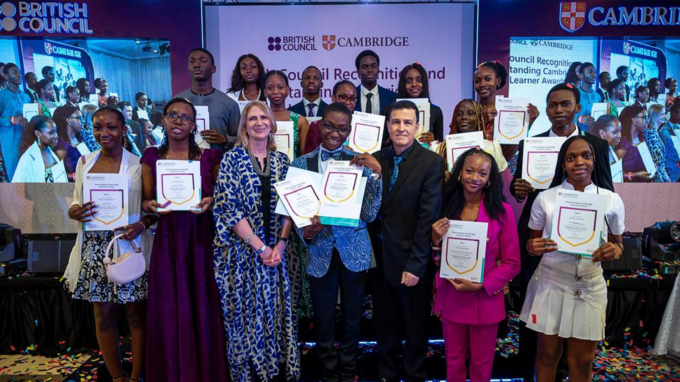
Several schools received recognition for their outstanding contributions to education. Among them were King’s College Lagos and Queen’s College Lagos. Others included Atlantic Hall, Epe, Nigerian Tulip International Colleges, and Marist Brothers Juniorates, Uturu.

These institutions earned induction into the Africa Top Schools Hall of Fame. The recognition celebrates both academic performance and ethical standards.
Joseph Ayodele, Founder of Africa Brands Review, explained the selection process. He also serves as the convener of the awards.
According to him, the Hall of Fame status lasts for two years. After that period, evaluators reassess each school. Any institution involved in malpractice loses its position.
New Initiatives to Strengthen Education Standards
The 2026 awards introduced several new programmes. One key launch was the Nigeria Education Wheel of Progress Report (2023–2026). This report highlights top-performing schools and tracks progress nationwide.
In addition, organisers unveiled a Students Talent Hunt competition. This initiative aims to encourage innovation and creativity among learners.
The event also introduced the ATS 5-star school rating system. Alongside it came the ABR Students Well-being Ambassadors programme and an anti-bullying pledge.
Ayodele stressed that these initiatives promote continuous improvement. He added that recognition remains strictly merit-based.
Importantly, he clarified that schools cannot buy awards. The process remains independent and transparent. Google’s involvement has also strengthened screening procedures.
Academic Integrity in Africa remains essential for building a competitive education system. WAEC continues to lead efforts to promote honesty and accountability in schools.
By enforcing strict standards, institutions can protect the value of their certificates. They can also prepare students for global success.
Ultimately, integrity will determine how African education systems compete on the world stage.










Leave a comment