

The conversation around Nigerian education reform is taking a new direction as several states dramatically increase investment in public schools despite persistent national funding challenges. While Nigeria’s education expenditure remains below UNESCO’s recommended benchmark at just 2.14 per cent of GDP, a growing number of states are demonstrating that meaningful change can occur at the subnational level.
Leading this shift are Anambra and Enugu states, which have committed unprecedented portions of their 2026 budgets to education. Alongside Kano, Lagos, Kaduna, Katsina, and Abia, these states are collectively projected to spend about ₦1.80 trillion on public education next year.
Anambra and Enugu Set the Pace
Anambra State has emerged as the country’s most ambitious education investor. The state allocated an impressive 46.9 per cent of its 2026 budget to education, the highest proportion recorded nationwide.
Enugu followed with a substantial 32.2 per cent allocation. The state is also implementing an ambitious programme that includes the establishment of 260 Smart Green Schools spread across every political ward.
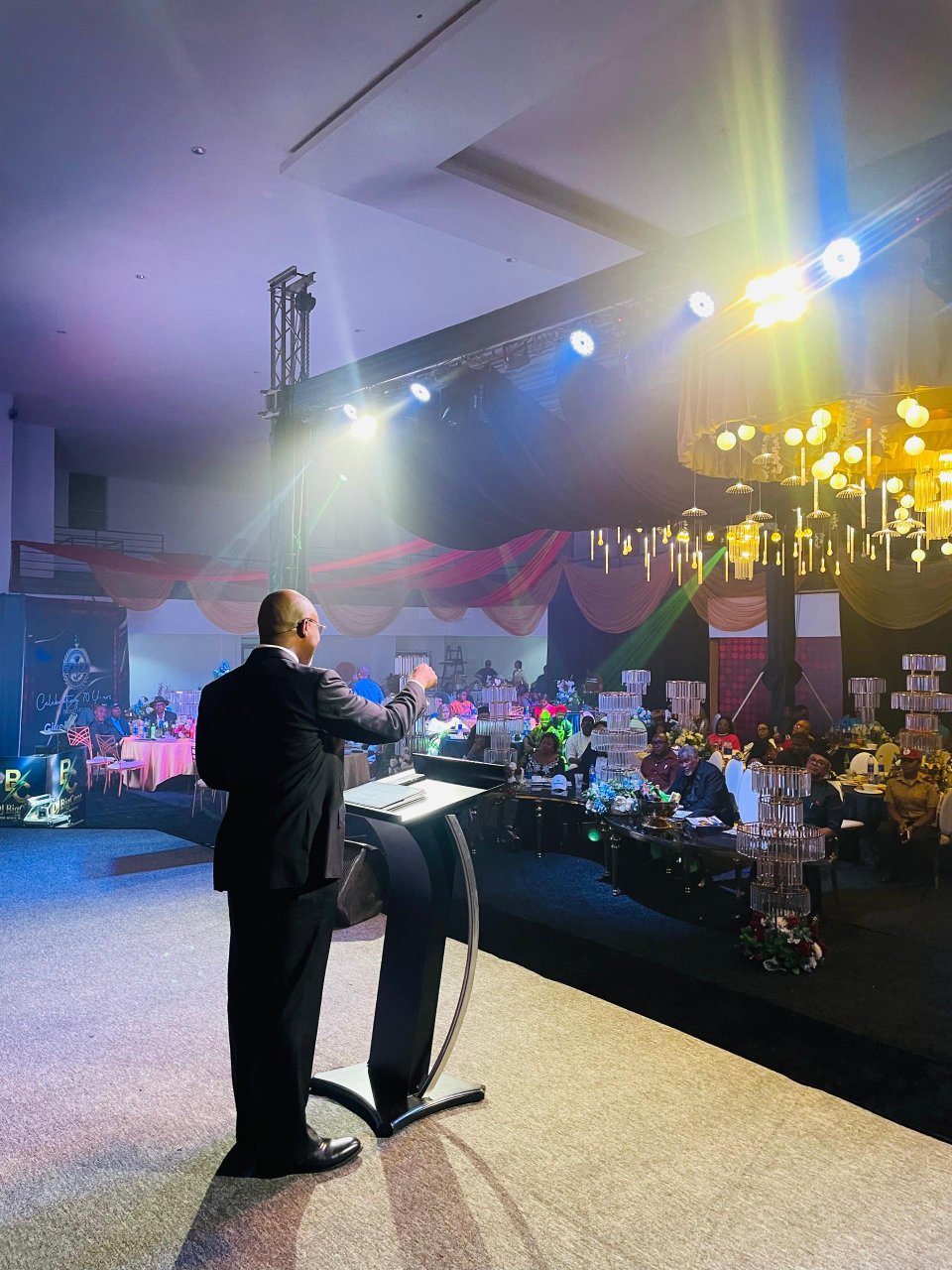
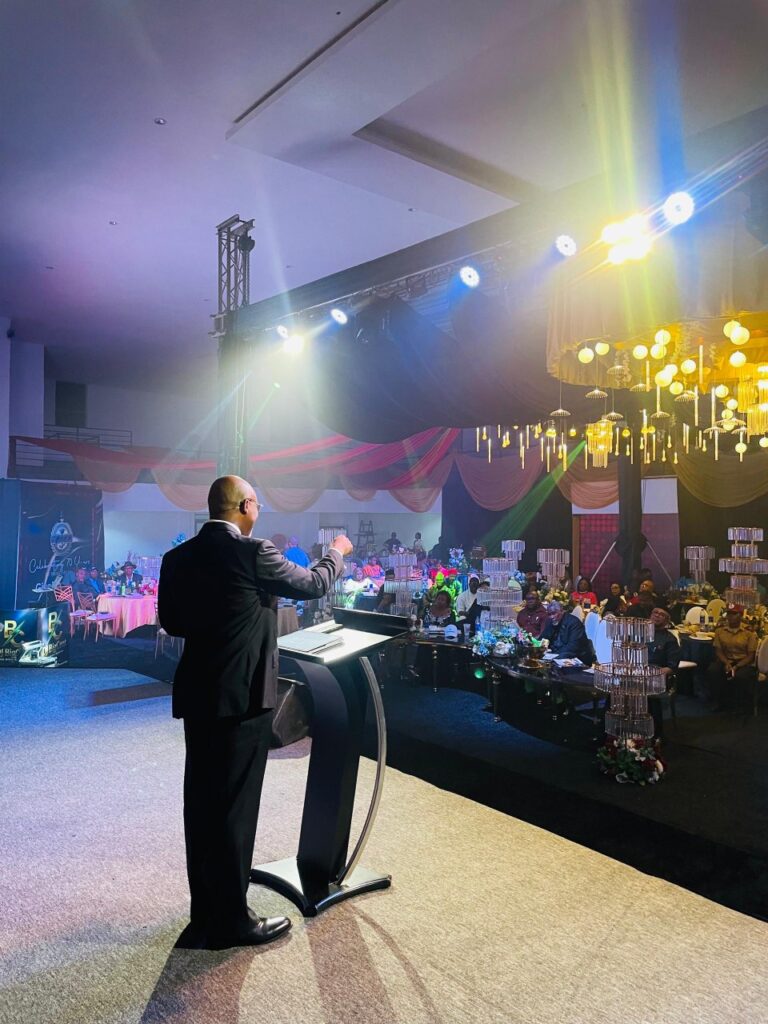
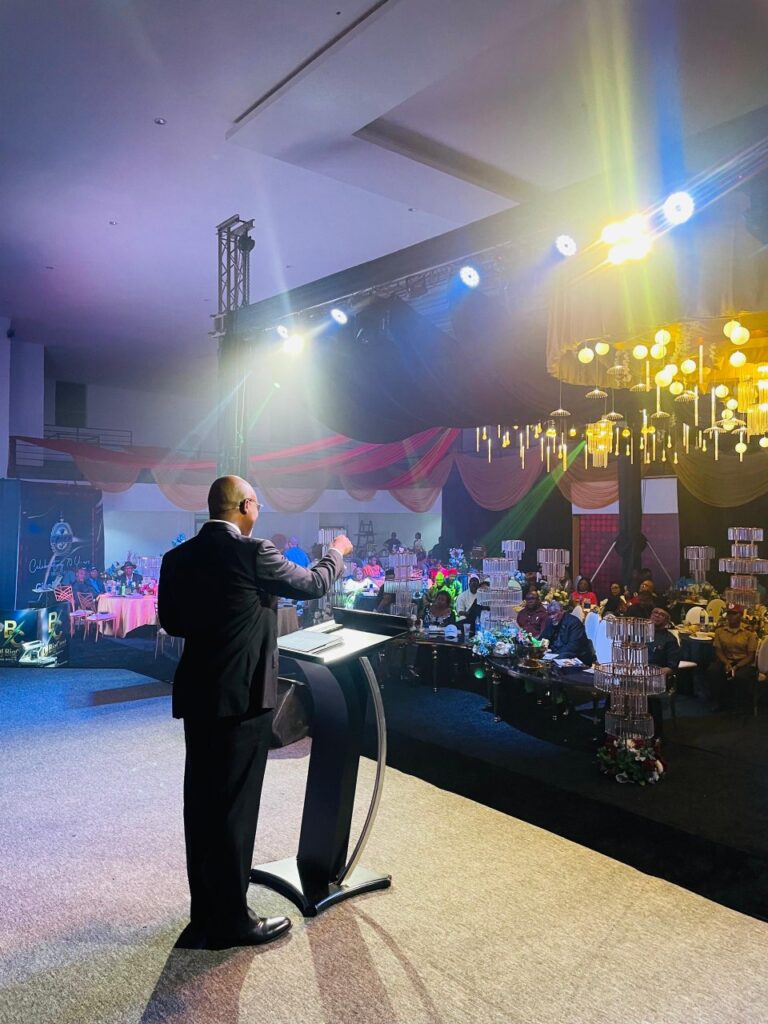
The figures were unveiled by the Athena Centre for Policy and Leadership during the 70th Anniversary Gala of the Ekulu Primary School Alumni Association in Enugu.
Speaking at the event, the Centre’s Chancellor, Chief Osita Chidoka, OFR, NPoM, argued that the transformation of public education has already begun.
“The reform of Nigerian public education is no longer waiting to be born. It is being led, not from Abuja, not from Lagos, but from a handful of states that have made the decision the centres of power have not yet made,” Chidoka said.
He added that alumni groups must join the movement and actively support the ongoing reforms.
Enugu’s Remarkable Rise Challenges Old Assumptions
One of the most striking findings presented by the Athena Centre involved the comparison between Enugu and Lagos.
According to the analysis, Enugu’s education budget for 2026, measured in dollar terms, is now approximately twice the size of Lagos State’s allocation.
The development marks a dramatic turnaround from the year 2000. At that time, Lagos spent about six and a half times more on education than Enugu.
Although Lagos still spends heavily on education in absolute terms, the state allocated only 5.6 per cent of its 2026 budget to the sector.
The Centre stressed that the comparison was not intended to criticise Lagos. Instead, it highlighted a broader lesson about governance priorities.
As the report noted, “Volume is not the same as priority. Wealth is not the same as will.”
From Educational Decline to Signs of Recovery
Chidoka traced the roots of Nigeria’s education crisis to the period between 1986 and 1999, which he described as the “years of the locust.”
During that era, university lecturers experienced a sharp decline in earnings. A full professor’s monthly salary reportedly dropped from roughly $1,000 to just $137 when measured in dollar terms.
School funding also suffered severe setbacks. Lagos’ per-pupil expenditure declined from $281 to only $22 over the same period.
However, Chidoka argued that the more troubling issue was the acceptance of educational decline during the democratic era that followed.
For nearly three decades after 1999, he said, many policymakers treated the deterioration of public education as normal.
That pattern, according to the Athena Centre, is finally beginning to change.
An analyst at the Centre described the developments in Anambra, Enugu, and Kano as more than gradual improvements.
“If you compare Nigeria today with Nigeria in 1999, you will find many things have improved. But education is not one of them — until now,” the analyst observed.
“What we are seeing in Anambra, Enugu, and Kano is not incremental. It is structural.”
Alumni Associations Given a Roadmap for Action
The gala event also served as a platform for a practical reform agenda.
Chidoka challenged the Ekulu Primary School Alumni Association to implement a three-year programme designed to strengthen learning outcomes and institutional accountability.
The first phase calls for the creation of an Ekulu Learning Dashboard within twelve months. The platform would monitor literacy levels, numeracy performance, attendance records, teacher availability, and infrastructure conditions. Updates would be published every academic term.
The second phase requires the establishment of a Teacher Development and Recognition Fund within twenty-four months. The initiative would also support remedial programmes for Primary 3 and Primary 4 pupils who need additional academic assistance.
The final phase involves connecting the school to the Nigerian Research and Education Network (NgREN) within thirty-six months. This partnership would integrate the institution into the country’s growing digital learning ecosystem.
“Let’s Get It Done is not charity. It is repayment,” Chidoka said.
“It is a clarion call from a generation that received much, to a generation now standing in the same classrooms, asking only what was once routinely given.”
Ekulu Primary School Becomes a Symbol of Hope
Founded in 1956 as All Saints School, Ekulu Primary School predates Nigeria’s independence by four years.
The institution later became a public primary school following the dissolution of mission schools. Since then, it has remained part of the public education system.
During the anniversary celebration, the school emerged as a powerful symbol of educational renewal.
For many attendees, it represented proof that decades of decline do not have to define the future of Nigerian education.
The latest figures suggest that Nigerian education reform is gaining momentum from the grassroots rather than the centre.
While national spending remains below international expectations, several states have chosen to prioritise education through bold budgetary commitments and innovative programmes.
Anambra, Enugu, Kano, Lagos, Kaduna, Katsina, and Abia are demonstrating that determined leadership can drive meaningful change.
The challenge now is whether more states will embrace similar reforms and help transform public education across the federation.
As Chidoka observed, the progress already visible in a few states raises an important question: will the rest of Nigeria follow their lead?








Leave a comment