

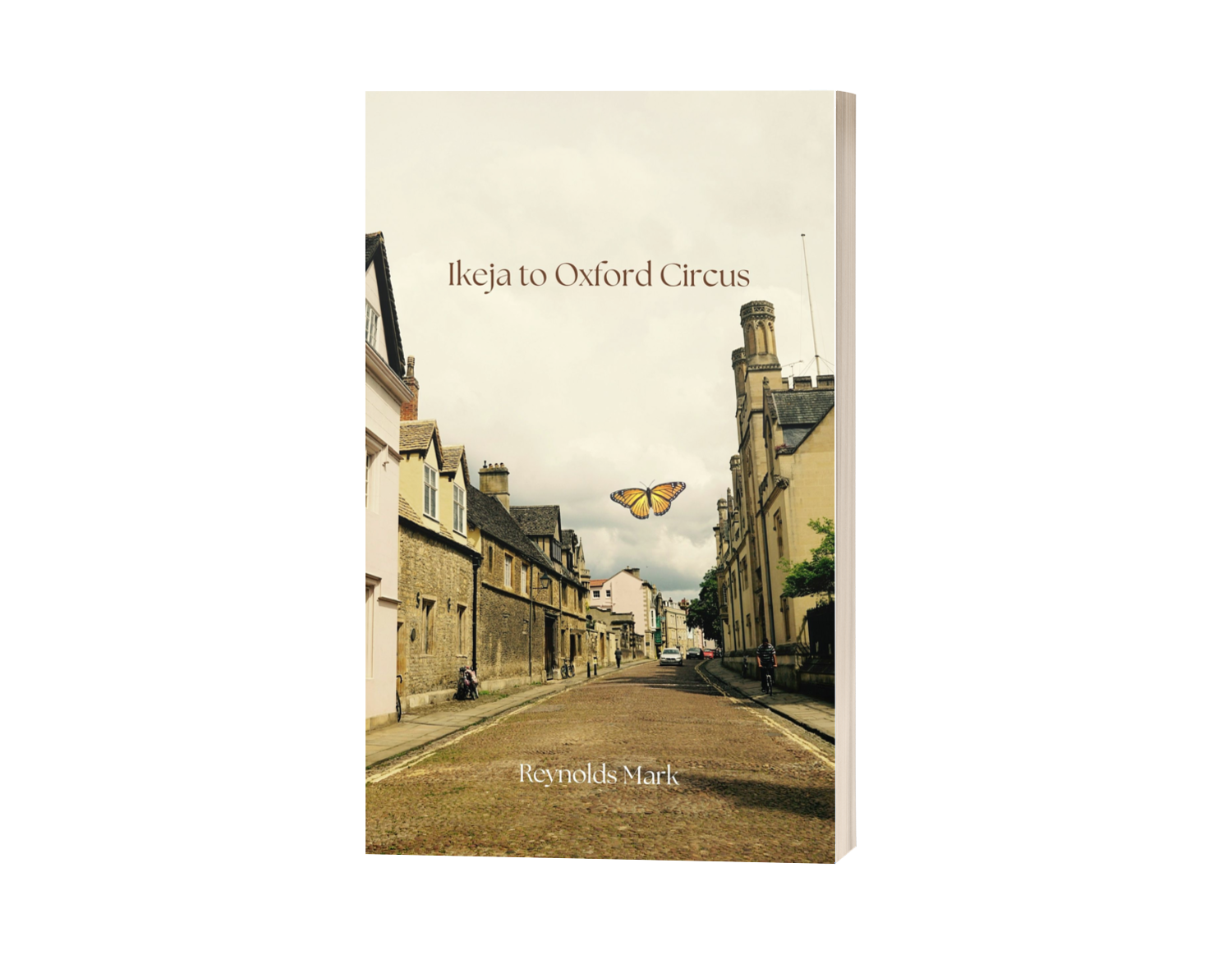
Adaptation and Societal Anxiety in Reynolds Mark’s Ikeja to Oxford Circus
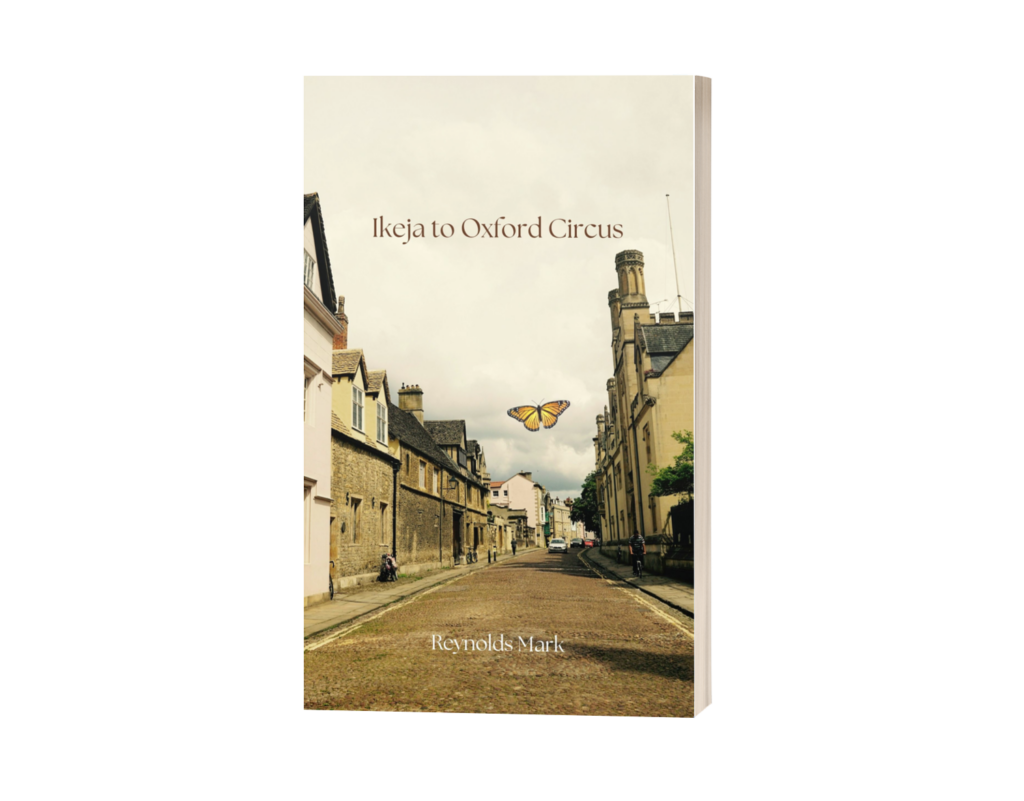
The existing criticism on diaspora struggles of Africans remains a prevalent issue in literature. By that token, there have been two-phased evaluations about how the experiencers adapt to the changes occurring thereof. While one faction sees them as victims, the other as heroes. Perhaps there is a third school that adjudges their interaction with that wider world, a survivor’s story. But what prevails is that the African in the Americas or neighbourhood has had to re-construct their reality in a certain way. This backdrop foregrounds the reflection of the poet-persona in Reynolds Mark’s Ikeja to Oxford Circus.
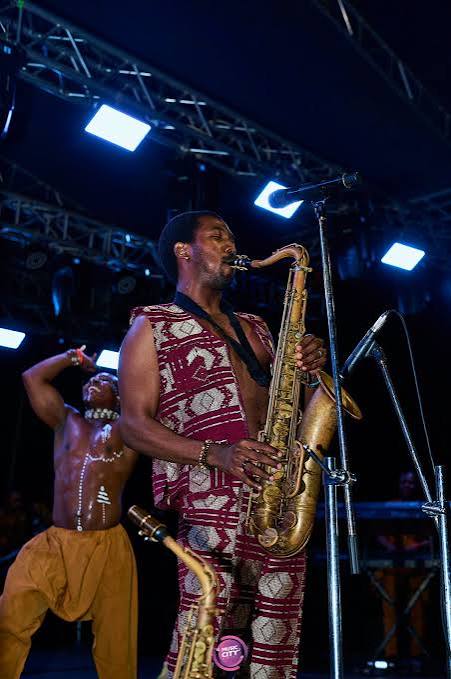
Reynolds Mezue Mark is a Nigerian poet and
creative writer based in the United Kingdom. Mark has been a regular participant in the arts and culture landscape in Lagos. He has attended
several culture projects like the Lagos Book and
Arts Festival, and the Creative Open Mic Events at
Freedom Park, Lagos. Ikeja to Oxford is his debut poetry chapbook. The chapbook is a collection of deep verses springing from years of cultural
and artistic immersion.
Ikeja to Oxford Circus is a personal experience of migration. It follows the persona’s interaction and predisposition to the issues raised in the poems. They are both individual cogitation and echoes of societal anxiety. The poems portray the seeming distress of everyday life in a city abroad. Juxtaposed with the poet’s city back home, the collection draws a mordant conclusion about the ubiquitous nature of city angst as a result of the growing need to meet the demands of urbanisation. On top of that, there are personal, nostalgic feelings that lay bare the pains of being sequestered from loved ones. It thus becomes an expressive dissection of how personal and collective dislocation from home is an inexhaustible discourse.
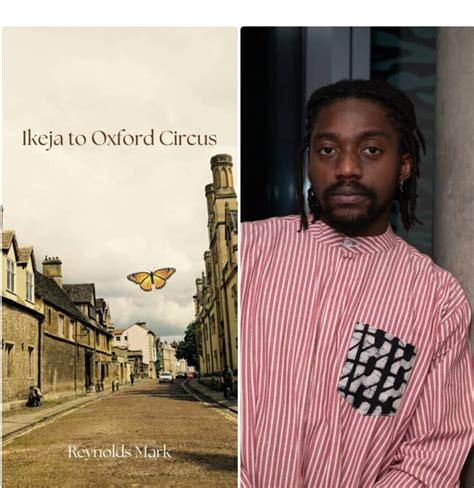
Ikeja to Oxford Circus is a critical discussion that borders on two topicalities: Ikeja to Oxford and Circus. The former, a phrase that projects the dream of many careerists in developing nations – or continent like Africa – underscores the eureka of escaping a precarious socio-political atmosphere. Conversely, it is an expression of the greenhorn’s new trajectory of acquiring experience, far away from home. These two levels of analysis coalesce in Ikeja to Oxford. There is yet another possible interpretive level: the sarcasm about a better living condition abroad. Whichever way one approaches it, Ikeja to Oxford meets curiosity. More so is the fact that it opens itself up for continuing deductions. This way, the reader grasps the unspoken realities that underlie the poems in part and as a whole.
Further, the “circus” reality in the poems comes across as a relevant exposition. It depicts the relentless effort of escapists to leave their home country while in actual fact they keep encountering situations that do not guarantee favourability. While the poems do not highlight the conditions and attendant spectacles of ‘otherness’, there is no gainsaying the fact that even within the view of liberality, equity is not a total luxury. But there is an overreaching mood of a general economic struggle. This is where the anthology draws its criticism. It seems to insinuate that the migrant encounters a sophisticated angst in the better living conditions. What therefore obtains in Lagos is the same as Oxford, New Delhi, Belgium, Tokyo, Dubai, Canada and all the corridors of metaphorical paradise of living. Again, it is a rendition of the same, albeit fate-twisted, end to the means that abound in the perception of diaspora conditions.
It can be read as a kind of travelogue; a journal about personal growth and development. The poet, addressing the scenarios that characterise his movement, recounts his tourist’s adventure to a wonderland. This of course offers a mentally stimulating respite from the hassles of combating a sophisticated matter of socio-economic adaptation. In the course of this observation, the poet yolks his inspiration in the natural atmosphere of a dream; a possibility that is painfully lacking back home. There is no denying that this also leads on to several thematic concerns of the African affliction of administration, as the reader will discover. Similarly, the poet ponders the delusions of migration to the Americas. By using Lagos to foreground nostalgia, there is a sharp drift towards critiquing the community relations he notices. Briefly as that may have been addressed, Ikeja to Oxford still accomplishes that comprehensive signification. Back home, there is contentment and socialisation. The discreet details about this are much too poetic to not be committed to heart.
What strikes predominantly as the fabric of meditation in the poems is the conception of home. One carries a piece of home about; a lifestyle handed down as some primordial and first hand cultural perception of the immediate world. The indubitably evident instance of this has to be Mark’s general juxtaposition of peacefulness. There is, in the poems, the intervention of value systems as a principal factor of adaptation. The fortitude and equanimity of the poet-persona provides a narrative of what adaptation means to a mind cultivated of indigenous orientation. Moreover, that will to sail through becomes the hallmark of Africanness in a foreign country.
From the point of view of style, Ikeja to Oxford offers a contemporariness that reflects the present concerns with flexibility. Past the practicality of it all, it vividly reflects the lived experiences of our time. The nexus of style and content in this sedulous work therefore gives it the status of a down-to-earth post-mordernist disillusionment. Its language and diction are suited to the taste of the modern reader. Or to the temperament of the modern reader. Yet it ultimately achieves poeticity. The changing obsessions of society are reflected in its artistic fashions. Reynolds Mark’s Ikeja to Oxford Circus establishes one of the obtainable modes throughout which modern literature has come: it is a self-styled depiction of the break away from love and true community in the pursuit of a healthy environment for ambition, career and the El-dorado.
Finally, Ikeja to Oxford is a bildungsromanic conversation with self on the benumbing external agencies that influence growth. It leans too towards self-discovery; an individual’s highlight of how a demography of compatriots learn to adapt to the changes that redefine their socio-political (pre)disposition to a world outside their own.












Leave a comment