

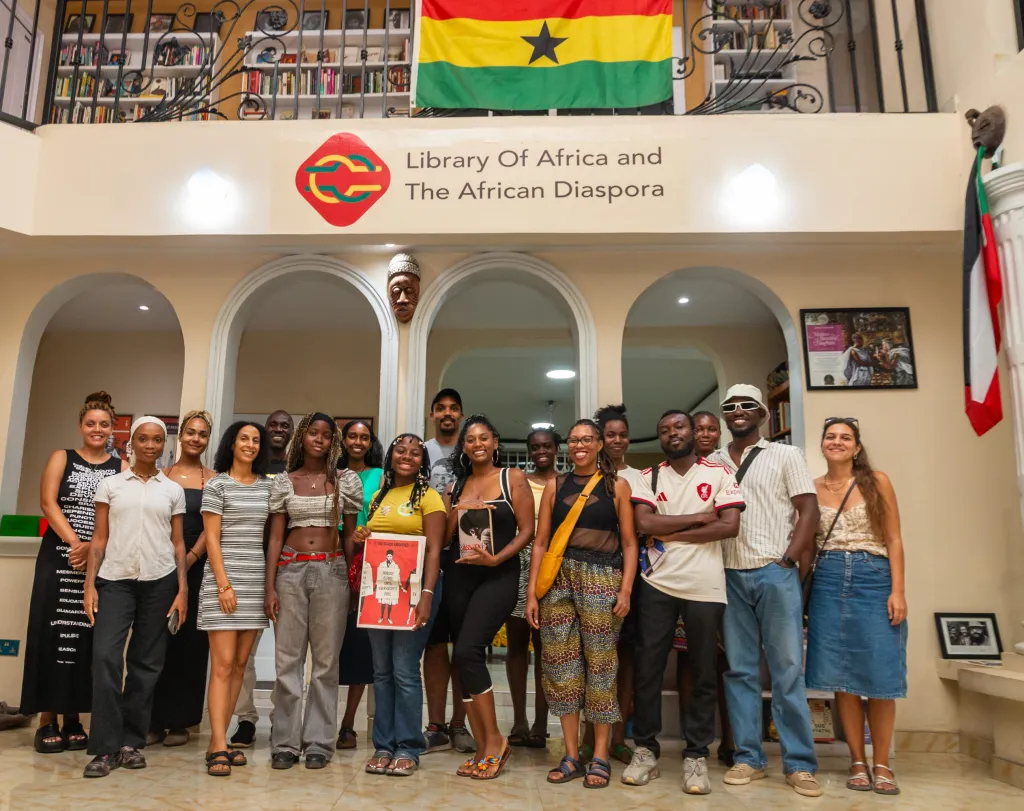
LOATAD New Journey
The LOATAD Residents 2026 ranging from writers, filmmakers, poets, and creatives joining the West Africa road journey has officially unveiled a remarkable group of creatives drawn from across the continent. Organised by the Library of Africa and The African Diaspora (LOATAD), the residency will take participants on a 3000 kilometre road journey through West Africa, creating space for research, collaboration, cultural exchange, and storytelling.
Unlike traditional residencies that stay in one city, this experience places movement at the centre of learning. As a result, residents will engage communities, landscapes, histories, and ideas in real time. Moreover, the programme reflects the growing importance of African-led institutions shaping global conversations through art, literature, and archives.
This year’s cohort includes filmmakers, poets, organisers, musicians, writers, and multidisciplinary artists whose work already reaches local and international audiences.
The LOATAD Residents 2026 discover the writers, filmmakers, poets, and creatives joining the West Africa road journey. initiative is more than a road trip. Instead, it is a mobile laboratory for ideas, identity, and creative exploration. By crossing borders physically, the residents also cross boundaries between disciplines, languages, and histories.
Furthermore, the residency offers a rare chance for participants to document stories from the ground while learning directly from communities across West Africa. Therefore, many expect the programme to produce powerful collaborations and future projects long after the trip ends.
ALSO READ: From hawking kerosene to Emeritus Professor: Gospel’s story
Meet the LOATAD West Africa Road Residents 2026
Badji Alfousseynou
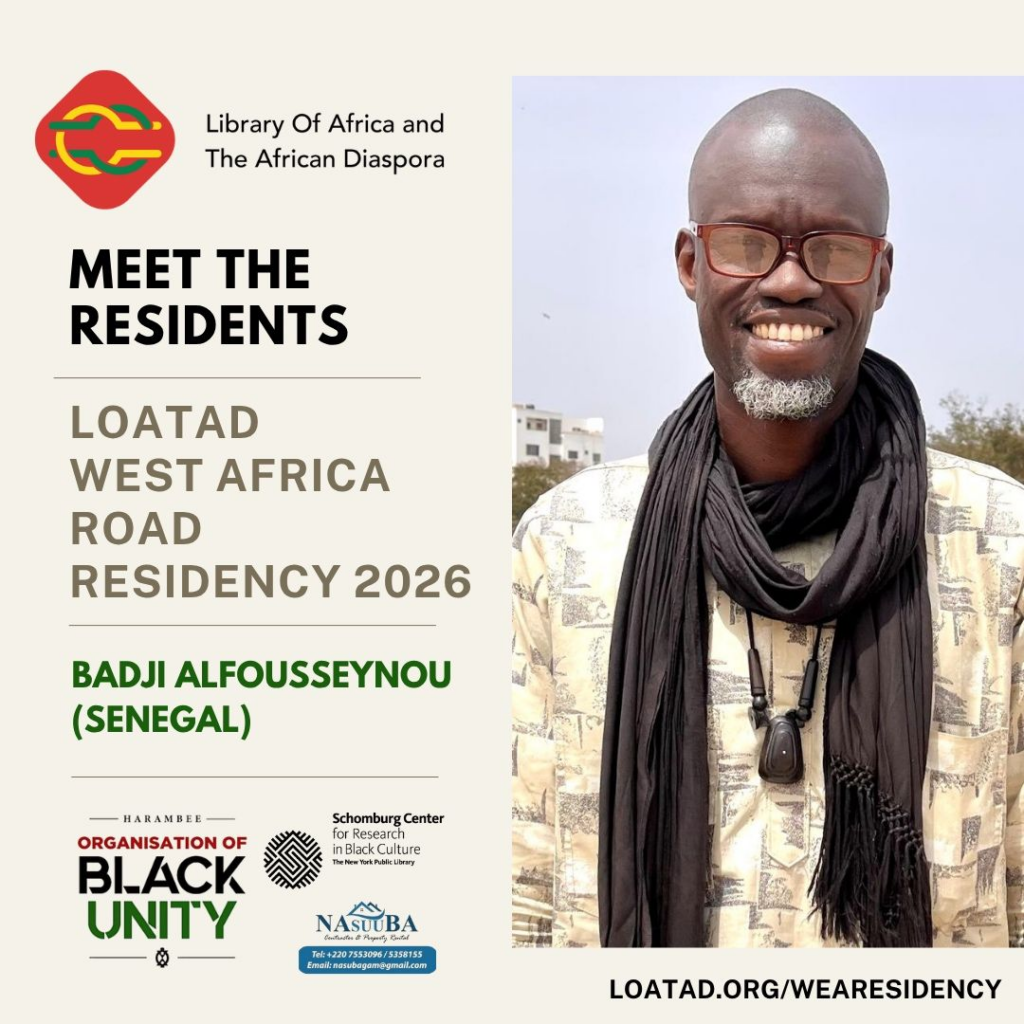
Badji Alfousseynou lives in Dakar, Senegal, and brings more than twenty years of grassroots development experience to the residency. Trained as a volunteer community development practitioner, he has worked extensively with youth and women in rural communities across Senegal.
Over the years, he has also supported children through holiday camps, mentoring programmes, and educational initiatives. However, his approach has never been limited to policy or administration. He has consistently explored art and culture as tools for self-knowledge, healing, and transformation.
Today, he specialises in organisational development and operational strategy tailored to local realities. His Pan-African consciousness was shaped early by learning about slavery, colonisation, and segregation. Influenced by Cheikh Anta Diop, Malcolm X, and Alex Haley’s Roots, he has helped inspire a new generation of Pan-African activists in Senegal. In 2019, he founded the Bureau of Research and Strategic Studies Octagone.
Orake Akpet (Raks)
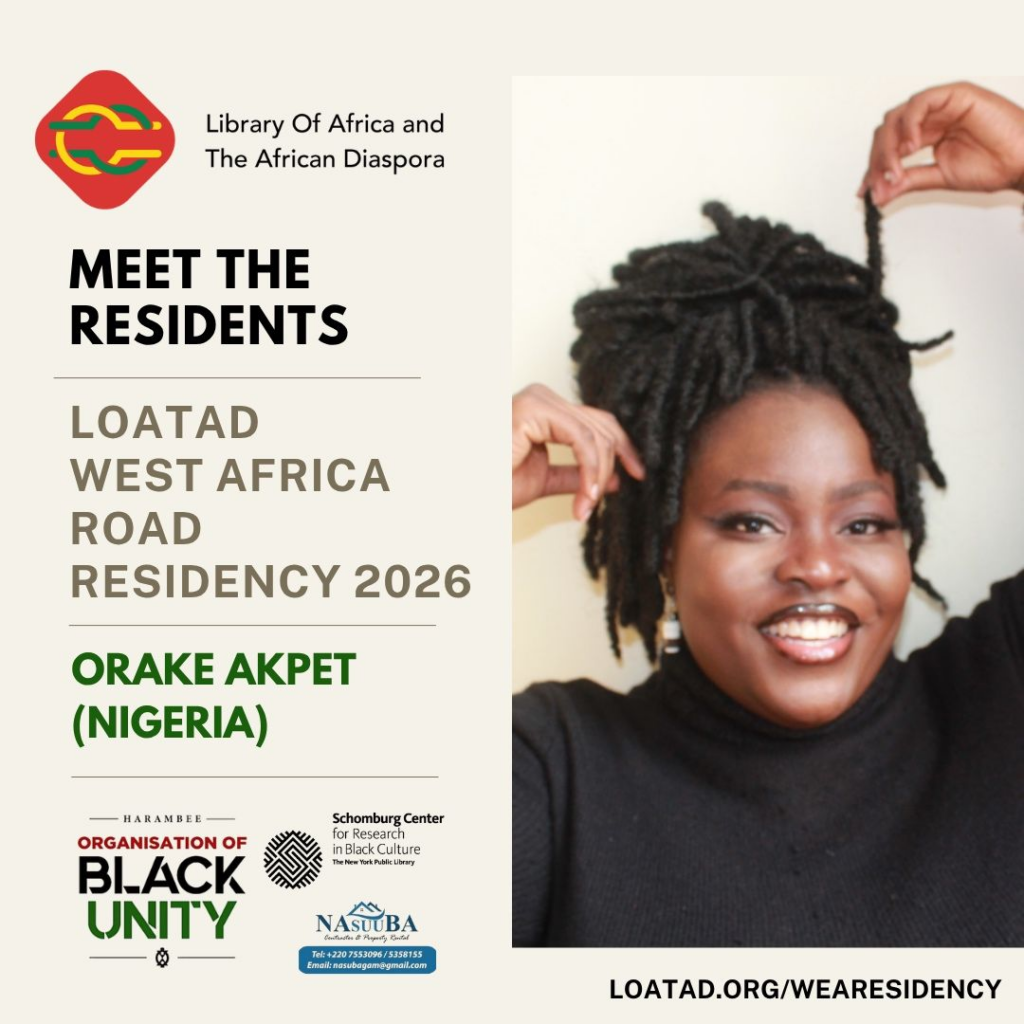
Orake Akpet, popularly known as Raks, is a multidisciplinary creative committed to understanding stories and how art and media shape everyday life. With a Bachelor’s Degree in Media and Communication, she has dedicated her path to storytelling in its many forms.
Her practice sits at the intersection of identity, culture, and visual communication. As a result, she moves fluidly between mediums that allow deeper emotional and social expression.
Currently, she is developing her visual arts and mixed media practice, using layered ideas and personal reflection to create compelling work. Meanwhile, her voice continues to grow within contemporary creative spaces.
Instagram: @raks_ruminations
Sagou Banou
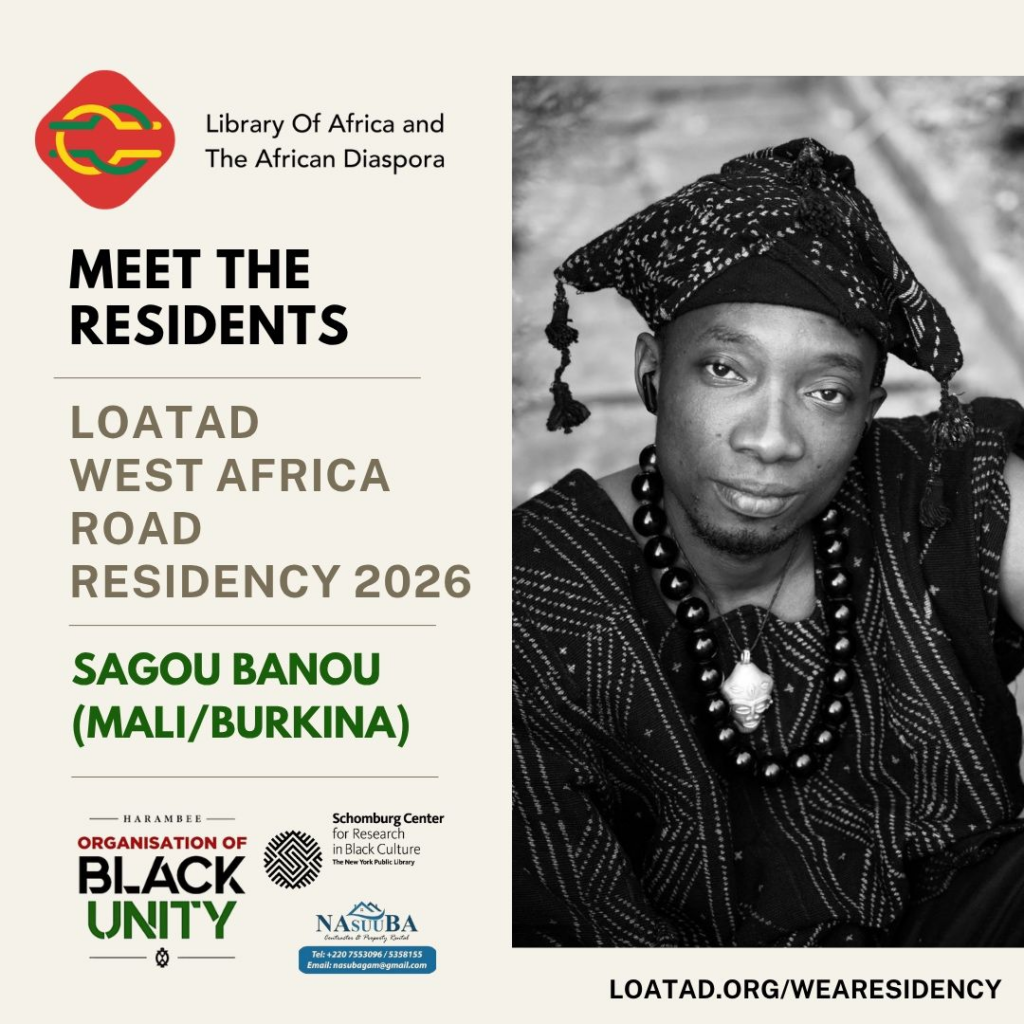
Sagou Banou is a Malian filmmaker and assistant director born and raised in Bamako. Passionate about cinema since childhood, he moved to Ouagadougou in 2018 to study at the Higher Institute of Image and Sound (ISIS-SE).
He earned a bachelor’s degree in directing in 2021 and is now pursuing a Master’s degree there. His student film My Lucky Day won First Prize in the African Film School Films category at FESPACO 2021.
Later, his film The Oath of Boukary won Best Student Film at the Dakar Court International Film Festival 2025 and earned selection at FESPACO 2025. In addition, his feature project Waiting for the Harvest received the South Writing Prize at the Ouaga Film Lab.
Today, Sagou is recognised for thoughtful cinema rooted in contemporary Sahelian realities.
Ursula M. Abanga
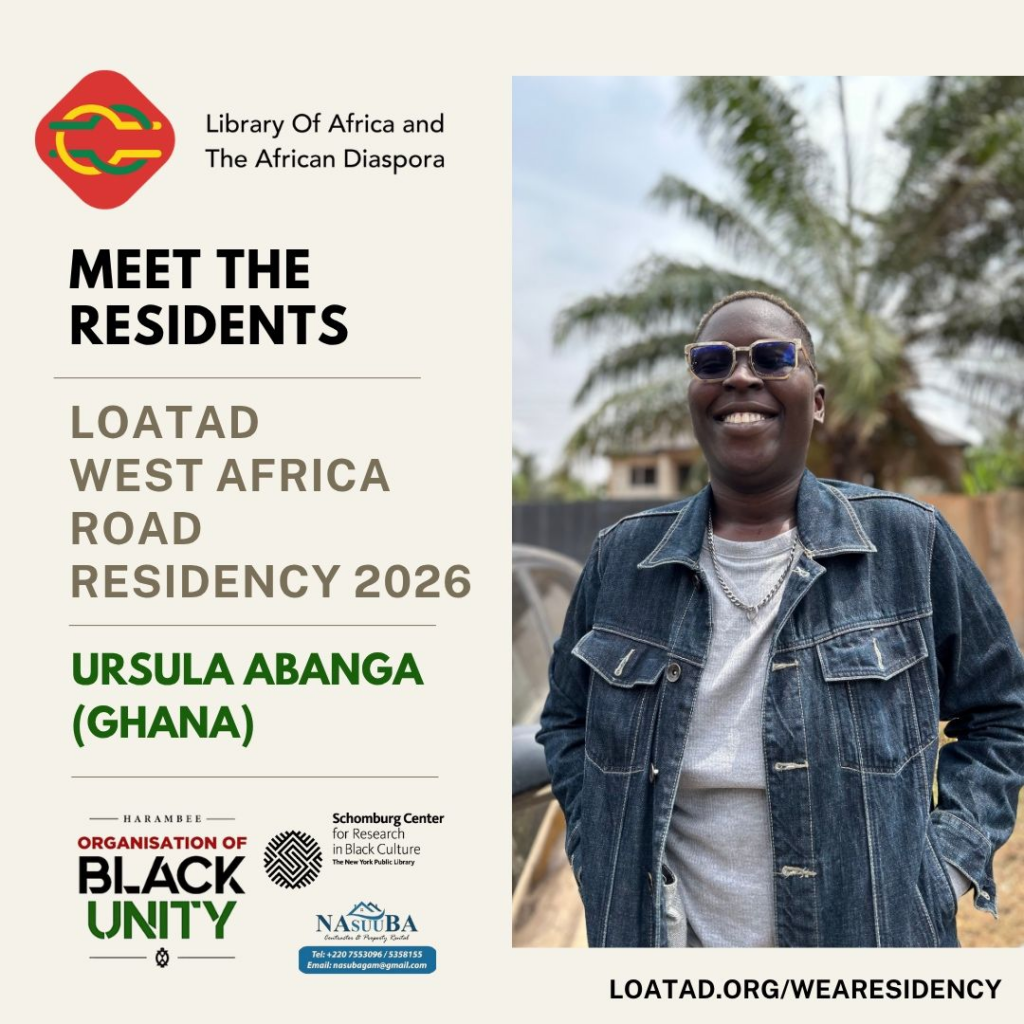
Ursula M. Abanga is a writer, activist, and community organiser whose work centres feminism, sexuality, and collective care. She strongly believes in storytelling as a force that restores erased and silenced voices.
Her activism focuses on creating communities built on safety, joy, resilience, and authenticity. Moreover, she has facilitated conversations on bodily autonomy, gender justice, and mental well-being.
By blending lived experience, feminist theory, and cultural critique, Ursula creates spaces for reflection and healing. Therefore, her presence in the residency adds both intellectual depth and community-centred practice.
Instagram: @the.verve_
Etienne Benedict (Tben Vox)
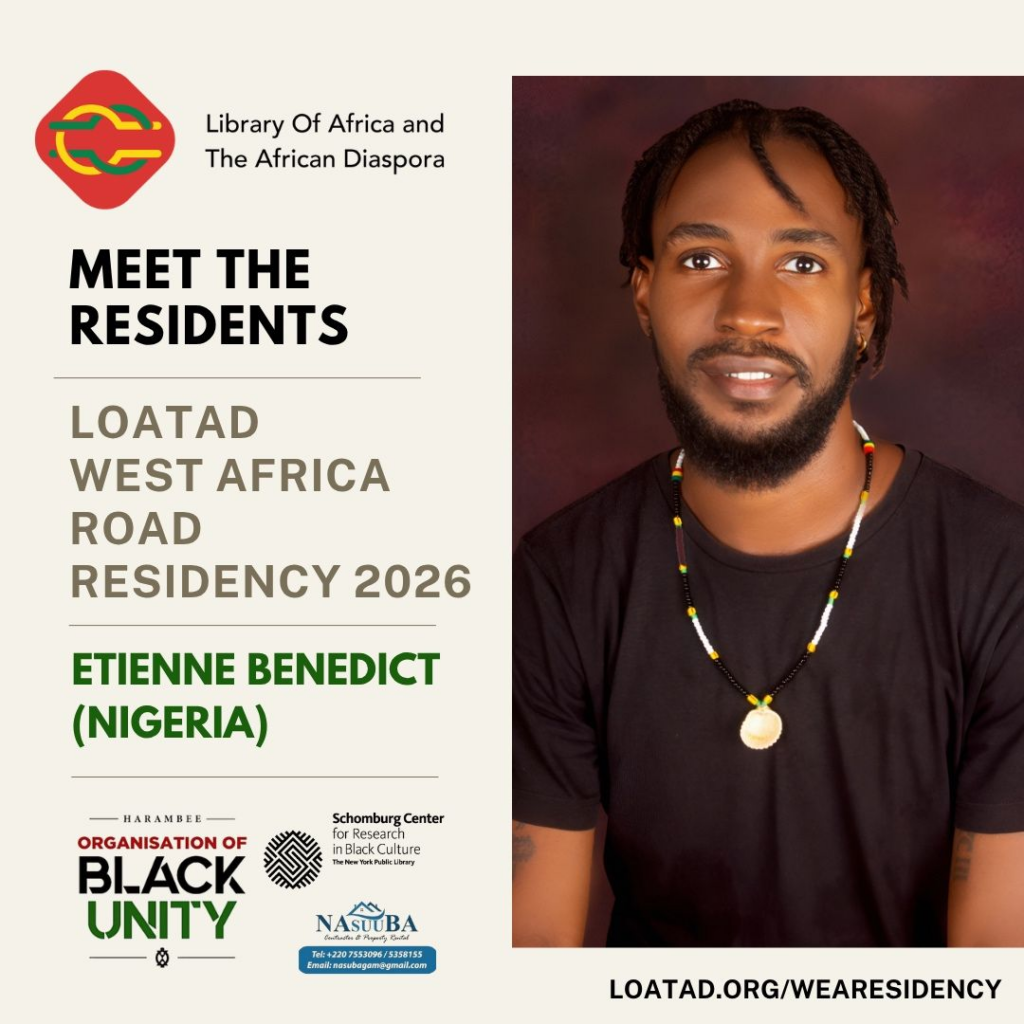
Etienne Benedict, also known as Tben Vox, is a multidisciplinary artist whose work combines music, visual art, and storytelling. Born and raised in Uyo, Akwa Ibom State, his practice explores authenticity, spirituality, heritage, and environmental consciousness.
His Afro-reggae sound uses reflective songwriting and acoustic elements to express introspection and emotional truth. Projects such as Greenlife (2022) and the PATAN EP (2025) reveal strong links between nature, spirit, and human experience.
As a visual artist, he is also known for green-painted faces that symbolise rootedness and connection to nature. Through both sound and imagery, he invites audiences to reconnect with inner truth.
Instagram: @tbenvox
Testimony Odey
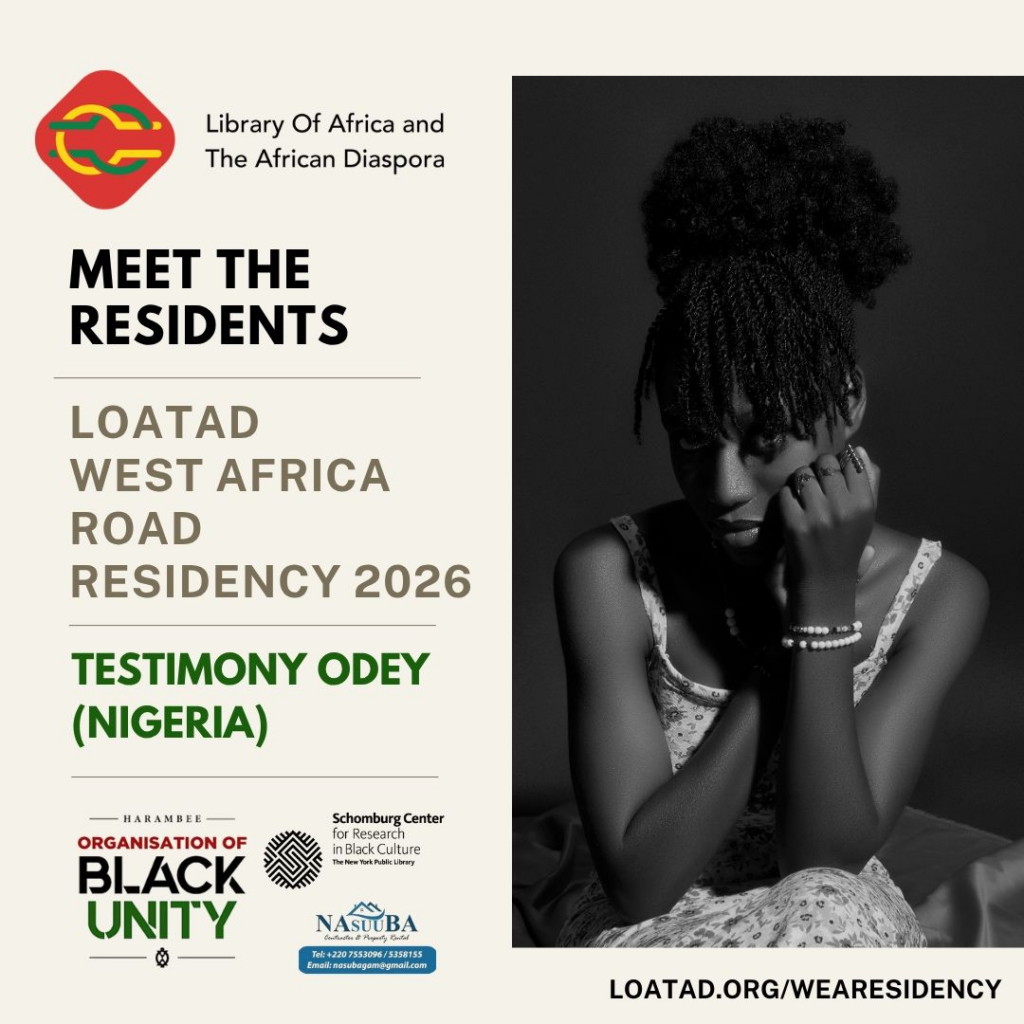
Temidayo Testimony Omali Odey, known widely as Testimony Odey, is a Nigerian multidisciplinary artist working across literature, spoken word, music, film, and painting.
Her work has appeared in respected platforms including Brittle Paper, Kalahari Review, PoeticAfrica, Torch Magazine, and others. In addition, she has received several honours, including the Nigerian Prize for Teen Authors and the African Teen Writers Awards.
She has performed at TEDxUniversityofBenin, arts festivals, television platforms, and business conferences. Furthermore, she serves as a fiction editor and remains active in mentoring literary communities.
Instagram / Twitter / TikTok: @testimonyodey
Basira Rabiu Idris
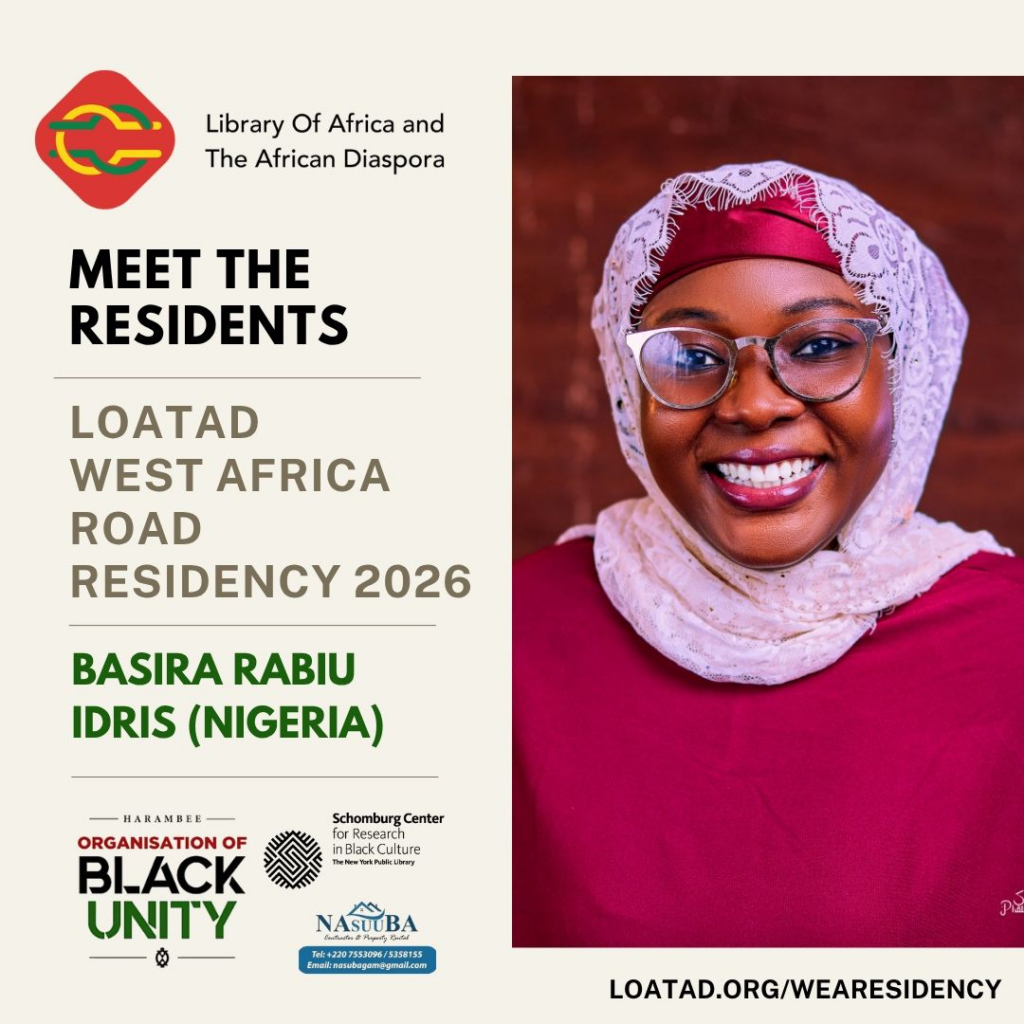
Basira Rabiu Idris is a Hausa poet and spoken-word artist from Birnin Kebbi in northern Nigeria. Her work explores breath, migration, climate vulnerability, memory, and resistance.
Rooted in Sahelian realities, her poetry often centres girls, almajirai, and communities navigating hardship with dignity. She is the founder of Zapoetryhouse Foundation and Zapoetryhouse Ltd, where she organises poetry gatherings and youth workshops.
She also leads Numfashin Arewa (Breath of the North), a civic-poetry initiative designed to turn silence into public dialogue. As a result, her work functions as both archive and intervention.
Instagram: @_ceerahedrees | @zapoetryhouse
Senanu Tord
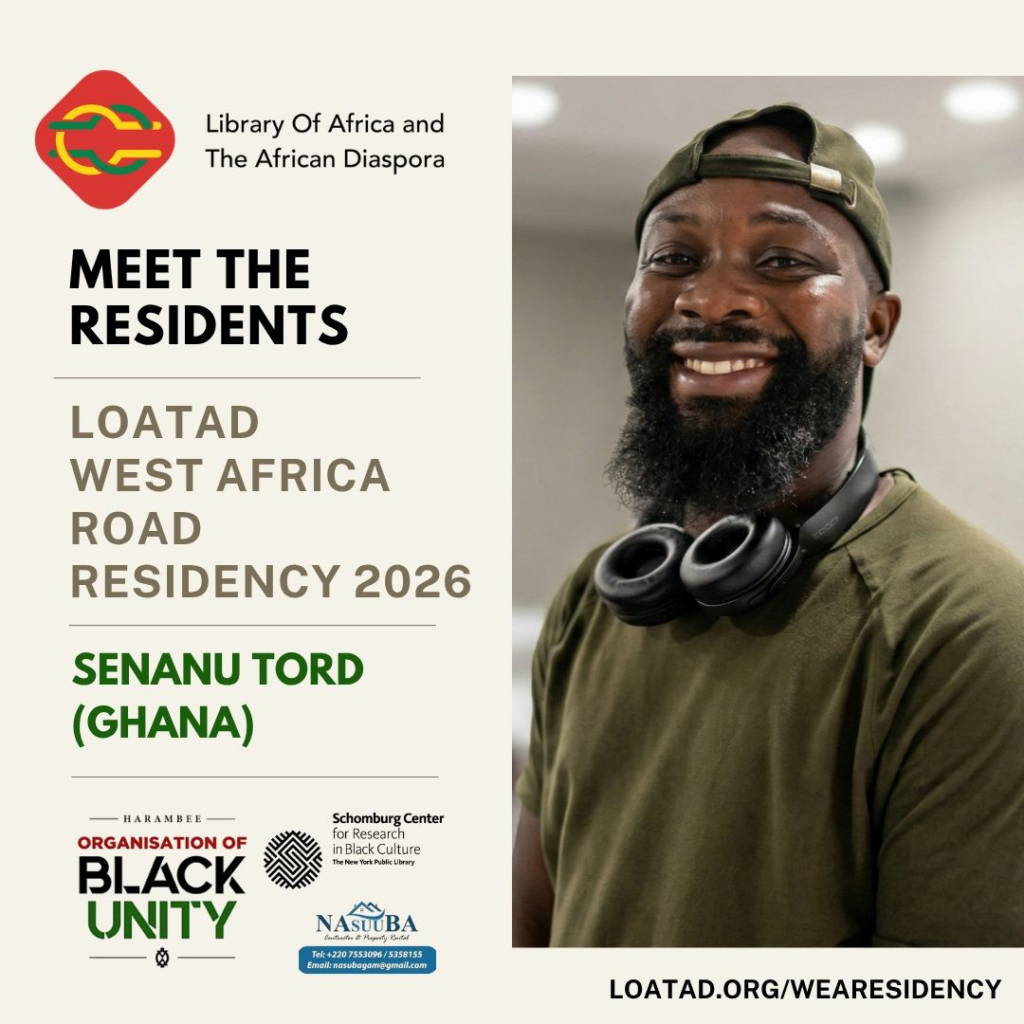
Senanu Tord is a Ghanaian documentary filmmaker and journalist working across West, East, and Central Africa. His work explores migration, memory, environmental justice, post-conflict recovery, and cultural preservation.
His stories have appeared on BBC and Voice of America. Through projects such as Erasure and Aftermath, he examines how communities experience disappearing coastlines, war legacies, and contested memory.
He also leads NUNYA, an initiative that helps communities preserve their histories through ethical storytelling and archives.
Instagram: @s4sena
This residency matters because it places African voices at the centre of African storytelling. Instead of relying on outside interpretation, the residents themselves will document people, places, and ideas from lived experience.
Additionally, the programme strengthens regional collaboration. Writers meet filmmakers, poets meet organisers, and musicians meet archivists. Therefore, the road becomes a space where future partnerships can grow naturally.
Finally, LOATAD continues to prove that African institutions can lead world-class creative programmes rooted in local knowledge.
FIND OUT MORE HERE
The LOATAD West Africa Road Residents 2026 programme is shaping up to be one of the continent’s most exciting cultural initiatives. By bringing together bold thinkers and creators from different countries, LOATAD has created more than a residency—it has created a moving conversation across borders.
As the journey begins, audiences across Africa and the diaspora will be watching closely for the stories, ideas, and creative breakthroughs that emerge from the road ahead.
Image credit: LOATAD



Leave a comment