


REMA 2026 has brought together real estate professionals and technology providers to discuss ways of improving residential communities across Africa. Industry stakeholders called for stronger partnerships and increased technology adoption to address challenges in estate management.
The second edition of the Real Estate Management in Africa conference took place on November 5, 2026. Venco convened the event at the Admiralty Event Centre, Victoria Island, Lagos.
More than 600 participants from Nigeria’s residential real estate sector attended the conference. Discussions focused on improving security, financial management, electricity supply, internet connectivity and facility management.
Held under the theme, “From the Ground Up: Rethinking How Communities Live, Operate and Grow,” the event examined the future of residential community management.
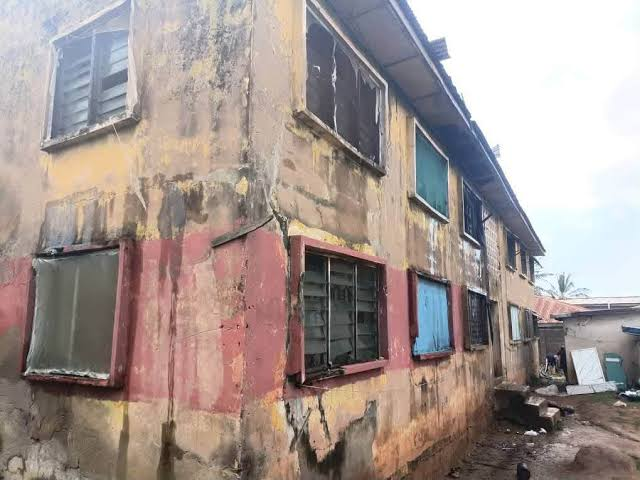
In particular, participants stressed the need to look beyond building construction. They highlighted the importance of maintaining functional, secure and attractive communities after developers hand over completed properties.
REMA 2026 Highlights the Need for Better Estate Management
The conference builds on the inaugural REMA gathering held in 2025. However, this year’s edition placed greater emphasis on practical solutions and industry partnerships.
Rather than simply identifying existing problems, participants explored ways to improve how residential estates operate.
Hakeem Ogunniran, Founder and Chief Executive Officer of Eximia Realty Company Limited, delivered the keynote address.
His presentation examined what residential communities should offer beyond their physical buildings. The discussion highlighted the systems and services required to sustain a good living environment.
Other speakers represented several sectors, including property development, facility management, energy, security, technology and academia.
They examined the responsibilities of developers, government agencies, estate operators and service providers. Their contributions highlighted the need for coordinated efforts to improve residential communities.
Abiola Showemimo, Chief Operating Officer of Venco, explained the conference’s focus on turning industry discussions into practical action.
She emphasised that successful residential communities require more than well-designed buildings. They also depend on reliable infrastructure, effective management systems and essential services.
Consequently, collaboration among different service providers remains important to achieving sustainable estate operations.
Venco Showcases Partnerships in Banking, Internet and Security
At REMA 2026, Venco highlighted partnerships designed to improve essential services within residential communities.
The company presented collaborations with Paystack MFB, MTN FibreX and Halogen. Each partnership targets a different aspect of estate operations.
Paystack MFB: Financial Services for Residential Estates
Venco’s partnership with Paystack MFB focuses on financial services designed for residential communities.
The collaboration covers estate banking, payment collections, disbursements and community financial management.
These services aim to simplify financial administration for estate managers and residents. They could also improve transparency and efficiency in handling community funds.
MTN FibreX: Improved Internet Connectivity
The company also highlighted its partnership with MTN FibreX.
The collaboration aims to expand access to fibre internet services across eligible estates within Venco’s ecosystem.
Reliable internet access has become increasingly important in modern residential communities. Residents depend on connectivity for communication, remote work, entertainment and other daily activities.
Therefore, improved broadband access could strengthen the overall residential experience.
Halogen: Technology-Enabled Estate Security
Security formed another important part of the conference discussions.
Venco showcased its collaboration with Halogen through Safe Haven. The initiative aims to introduce technology-enabled security solutions into residential communities.
The partners plan to begin with selected pilot estates.
Together, these collaborations demonstrate how financial services, internet connectivity and security can become part of an integrated estate management system.
Venco Introduces Technology to Address Everyday Estate Challenges
Beyond its partnerships, Venco demonstrated digital solutions designed to simplify daily activities within residential communities.
One of these solutions is Venco Tokenless. The platform aims to eliminate the need for residents to manually enter prepaid electricity tokens after purchasing electricity.
This feature could make electricity payments more convenient. It also reduces the additional steps residents must take after completing transactions.
Another product, Venco Marketplace, connects residents with merchants and providers of everyday goods and services.
The platform also gives businesses an opportunity to reach potential customers within residential communities.
Additionally, Venco presented its Partner Programme. The initiative aims to bring more property developers, facility managers and other real estate professionals into its technology ecosystem.
Venco Chief Executive Officer Chude Osiegbu explained the company’s broader approach to residential development.
He maintained that developers must look beyond constructing buildings. They should also ensure that communities function effectively and deliver quality experiences.
According to him, Venco’s technology and partnerships aim to simplify several everyday activities.
These include electricity payments, financial transactions, access to essential goods, internet connectivity and security.
The company’s approach reflects a growing interest in technology-driven solutions for residential property management.
What REMA 2026 Means for Real Estate Developers and Investors
The discussions at REMA 2026 highlight an important issue for property developers and investors. The long-term performance of residential properties depends on more than location and construction quality.
Residents also consider the quality of services available within their communities.
Reliable electricity, effective security, internet access and proper financial administration can influence their overall living experience.
For developers, these services could become important competitive advantages in the housing market.
Projects that integrate essential services into their planning may attract buyers and tenants seeking convenient residential environments.
Similarly, investors and property managers could benefit from more efficient estate operations.
Better management systems may support occupancy rates, encourage resident retention and help preserve property values.
However, technology adoption also comes with challenges.
The success of these solutions will depend on several factors:
- Affordability: Residents and estate managers must be able to afford the services.
- Reliable delivery: Technology providers must maintain consistent service quality.
- Resident adoption: Residents need to understand and actively use available platforms.
- Long-term maintenance: Estate managers must ensure that systems remain functional.
- Effective partnerships: Service providers must coordinate their activities to deliver practical results.
Without these conditions, technology investments may struggle to deliver their intended benefits.
Therefore, developers must consider operational costs and residents’ needs before introducing new systems.
REMA 2026 has reinforced the importance of technology and partnerships in shaping the future of residential real estate in Africa.
The conference brought together industry stakeholders to explore solutions for electricity, financial management, security, connectivity and facility operations.
Venco’s collaborations with Paystack MFB, MTN FibreX and Halogen demonstrate efforts to integrate essential services into residential communities.
However, the long-term success of these initiatives will depend on affordability, consistent service delivery and effective adoption.
As Africa’s residential property sector evolves, developers must increasingly consider what happens after construction.
Ultimately, successful residential communities require more than buildings. They need reliable services, efficient management and partnerships that improve everyday living.











Leave a comment