

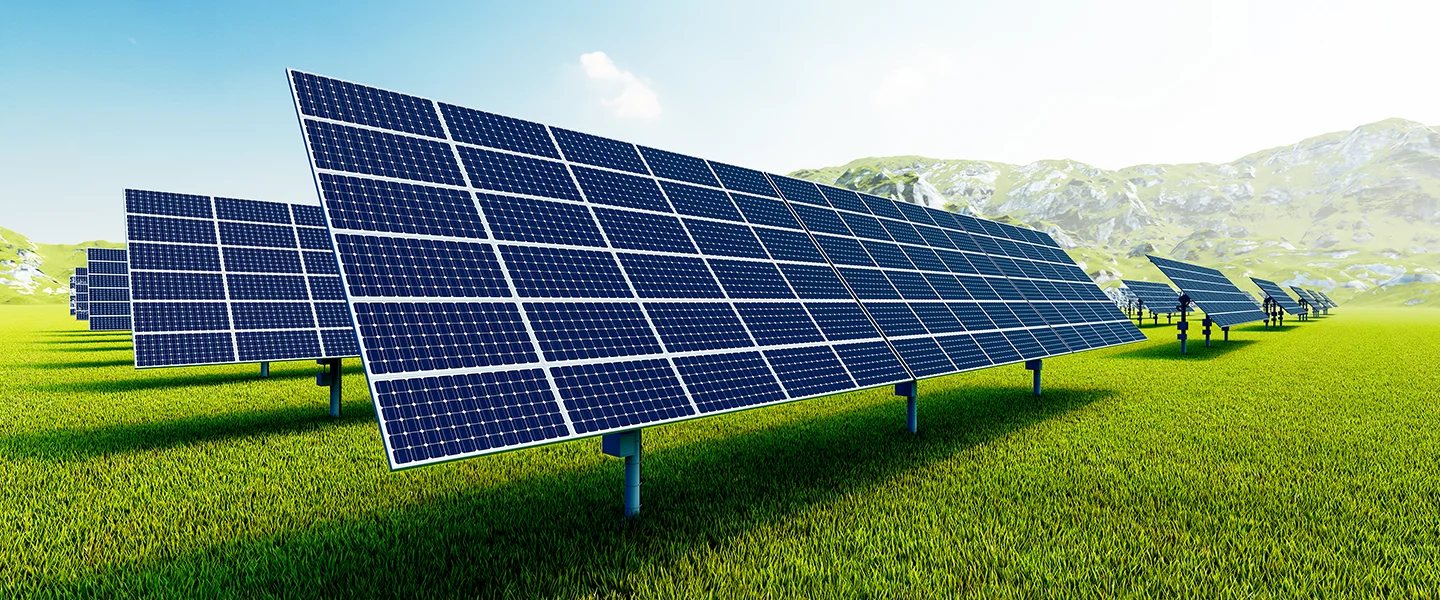
Nigeria solar power projects are gaining momentum as the country pushes to expand electricity generation to 209,000 megawatts by 2050. New data showed that 53 large-scale solar developments valued at about $11 billion are currently underway.
According to a report by IIR, the projects reflect increasing investment in renewable energy. They are expected to strengthen Nigeria’s energy mix and improve electricity access across the country.
The projects also support the nation’s long-term energy transition strategy.
53 Solar Projects Support Long-Term Energy Goals
The IIR report revealed that Nigeria currently has 53 major solar projects under development.
These projects demonstrate rising investor confidence in the country’s renewable energy sector. They are also expected to play a vital role in future electricity supply.
Authorities have identified solar energy as a key component of Nigeria’s energy transition plans.
Consequently, much of the projected growth in generation capacity is expected to come from solar installations.
The Federal Government aims to increase renewable energy’s contribution to 30 per cent by 2030. It plans to raise the figure to 82 per cent by 2050.
Government Expands Mini-Grid Programme
Apart from utility-scale projects, Nigeria is increasing efforts to electrify rural communities.
The Rural Electrification Agency is leading a nationwide programme involving more than 1,300 solar mini-grids and off-grid systems.
The initiative includes 250 interconnected mini-grids that will supply electricity directly into the national grid.
Officials believe the programme will help stabilise power supply and reduce dependence on diesel generators.
The project has secured $750 million in public funding. It is also expected to attract an additional $1.1 billion from private investors.
REA Managing Director Abba Aliyu described the initiative as a landmark achievement.
According to him:
“For the first time, we are witnessing the implementation of the biggest publicly funded renewable electricity project in the entire world.”
Aliyu added that the $750 million programme would attract another $1.1 billion in private sector investment to deploy 1,350 mini-grids across Nigeria.
Abba Aliyu said the Federal Government is positioning renewable energy as a major alternative source of electricity.
According to him:
“For the first time in the history of the country, the Federal Government is positioning the renewable energy sector of the Nigerian economy as the alternative source of electricity in the country.”
He noted that Nigeria possesses abundant renewable resources and described solar power as one of the most affordable solutions for expanding electricity access.
Aliyu also stated that President Bola Tinubu’s administration aims to make Nigeria a renewable energy hub for Africa.
He disclosed that ongoing programmes are expected to provide electricity to 17.5 million Nigerians within three years.
Reports indicate that more than 1,000 mini-grids have already been deployed nationwide.
The Rural Electrification Agency financed over half of these projects.
Meanwhile, the World Bank-supported Distributed Access through Renewable Energy Scale-up programme is accelerating the deployment of mini-grids, standalone systems and battery storage solutions.
The initiative seeks to replace more than 250,000 diesel generators with cleaner energy alternatives.
According to the Global Solar Council, Nigeria added 803MW of solar capacity in 2025.
This increased the country’s total installed solar capacity to about 1,019MW.
Continental Initiatives Boost Electricity Access
Nigeria’s renewable energy efforts align with broader initiatives across Africa.
One of them is the World Bank-backed Mission 300 programme, which aims to provide electricity to 300 million Africans by 2030.
Since its launch in January 2025, the initiative has reportedly expanded electricity access to 44 million people across the continent.
Although gas-fired plants remain Nigeria’s dominant source of power generation, renewable energy currently accounts for about 23 per cent of the country’s energy mix.
Hydropower and solar installations contribute significantly to that figure.
Nigeria solar power projects valued at $11 billion are expected to play a major role in transforming the country’s electricity sector. With 53 major developments underway and ambitious targets set for 2050, authorities are increasingly relying on renewable energy to address power shortages.
In addition, investments in mini-grids and off-grid systems could improve electricity access for millions of Nigerians while supporting the country’s transition to cleaner energy sources.












Leave a comment