

Analysis Desk
The latest labour strike threat from Nigeria’s organised labour movement has sparked fresh debate across the country. The Nigeria Labour Congress and the Trade Union Congress have warned of possible nationwide industrial action over worsening insecurity.
However, the warning has triggered more than concern about security. It has reopened difficult conversations about worker welfare, inflation, minimum wages, and the declining trust many Nigerians have in both government and labour leaders.
At a time when violent attacks continue across several states and the cost of living keeps rising, many workers are asking a simple question: who is really fighting for them?
Labour Raises Alarm Over Insecurity
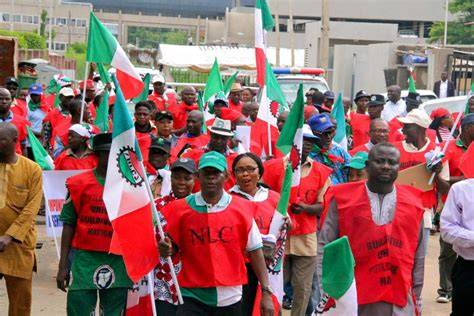
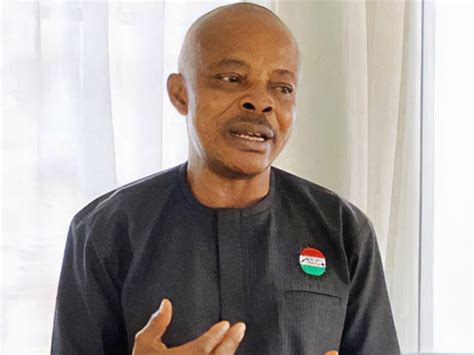
Speaking at the 114th International Labour Conference in Geneva, Switzerland, NLC President Joe Ajaero warned that workers face increasing dangers across Nigeria.
According to him, terrorism, banditry, kidnapping, attacks on schools, and violence against farming communities have created an environment where many citizens leave home each day without certainty of returning safely.
The warning comes amid growing national anxiety.
The Christian Association of Nigeria recently declared a three-day mourning period from June 12 to June 14 to honour victims of violent attacks. The organisation also designated June 14 as “Black Sunday.”
CAN President Archbishop Daniel Okoh described a country where innocent citizens continue to suffer killings, displacement, injuries, and other forms of brutality.
When religious leaders declare national mourning and labour unions threaten strikes within the same period, the message is difficult to ignore.
Many Nigerians believe the country’s security challenges have reached a critical stage.
Why Many Workers Are Questioning Labour Leaders

Despite the seriousness of the insecurity crisis, public reaction to the strike threat has been mixed.
Rather than express support, many Nigerians questioned whether labour leaders still possess the credibility required to mobilise workers.
The criticism reflects deeper frustrations.
The Federal Workers Forum has already threatened its own indefinite strike. The group accuses the NLC and TUC of failing to adequately defend workers on key issues.
Among the grievances are unpaid wage award arrears, delayed promotion benefits, unpaid duty tour allowances, and unresolved salary-related obligations.
The forum also criticised the implementation of the 2024 minimum wage adjustment, arguing that workers received little meaningful relief despite the increase.
These complaints have weakened confidence in organised labour.
For many workers, the question is straightforward: if labour leaders struggled to secure previous agreements, why should they be trusted to lead another nationwide shutdown?
The Minimum Wage Debate Intensifies
The insecurity crisis is unfolding alongside another major national debate.
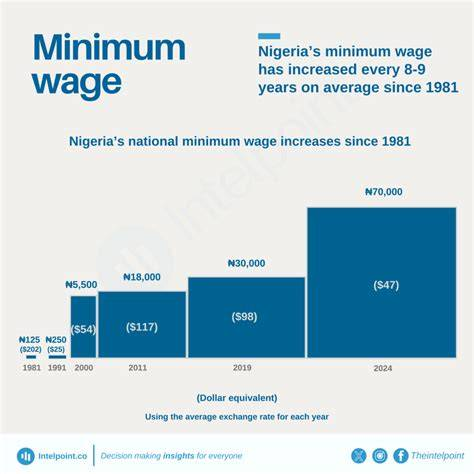
Labour unions have called for early discussions on a new National Minimum Wage despite the current agreement running until July 2027.
The debate intensified after the Nigeria Governors’ Forum proposed a minimum wage of ₦100,000.
Labour leaders rejected the proposal almost immediately.
NLC spokesman Benson Upah described the figure as inadequate given current economic realities. Some labour representatives argue that a realistic living wage should be significantly higher.
The Federal Workers Forum also dismissed the proposal, insisting that ₦100,000 would not address the challenges facing Nigerian workers.
The disagreement highlights a broader issue.
The conversation is no longer simply about salary increases. It is increasingly about whether wages can keep pace with inflation.
Inflation Has Eroded Workers’ Purchasing Power
Economic data provides important context.
The current minimum wage of ₦70,000 became law in July 2024. Yet rising inflation has already reduced much of its value.
This pattern is familiar.
Previous wage increases in Nigeria often delivered short-term relief before inflation eroded purchasing power.
Economic analysts estimate that workers lost substantial value from earlier wage adjustments due to persistent price increases.
Food costs illustrate the challenge clearly.
Recent data indicates that maintaining a healthy diet for one adult consumes a large portion of the current minimum wage. For households with several dependents, food expenses alone can exceed total monthly earnings.
This reality explains why many workers continue to struggle despite nominal salary increases.
The issue is not merely income. It is purchasing power.
How Nigeria Compares With Other African Countries
Comparisons with other African economies have further intensified the debate.
Countries such as South Africa, Algeria, Egypt, and Kenya maintain significantly higher minimum wage levels when converted to naira.
While economic structures differ across countries, the comparison has fuelled arguments that Nigerian workers remain among the least compensated on the continent.
Critics argue that Africa’s largest economy should not rank near the bottom when it comes to worker earnings.
Supporters of higher wages believe the gap highlights the urgent need for reform.
Businesses Warn Against Unsustainable Wage Increases
Not everyone supports substantial wage increases.
Business groups have expressed concern about the financial impact of higher salary obligations.
The Lagos Chamber of Commerce and Industry has warned that many private-sector employers face significant challenges, including high energy costs, logistics expenses, exchange rate volatility, and multiple taxation.
The Nigeria Employers’ Consultative Association has also emphasised the need for evidence-based negotiations rather than politically driven proposals.
These concerns are not without merit.
Economists frequently warn that wage increases unsupported by productivity growth can contribute to inflationary pressure.
Businesses often respond to rising labour costs by increasing prices, creating another cycle of inflation.
That possibility complicates the debate.
Why a Living Wage May Be the Better Solution
Many policy experts believe Nigeria should move beyond discussions about minimum wages alone.
Instead, they advocate a living wage framework.
A living wage differs from a minimum wage because it reflects the actual cost of maintaining a decent standard of living.
It considers housing, transportation, healthcare, food, education, and emergency expenses.
Supporters argue that wage policies should ensure workers can meet basic needs without falling into poverty.
At the same time, broader economic reforms are essential.
Lower food prices, improved transportation systems, affordable electricity, better healthcare access, and stronger educational infrastructure could significantly improve living standards without relying solely on wage increases.
The Need for Structural Reform
A recurring problem in Nigeria’s wage system is its reactive nature.
Wages often remain unchanged for years before political pressure forces negotiations.
By the time agreements are reached, inflation has already reduced workers’ purchasing power.
Many analysts therefore support automatic wage adjustments linked to inflation, productivity levels, and cost-of-living indicators.
Such a system could reduce recurring labour disputes and provide greater predictability for workers and employers alike.
Several advanced economies already operate similar models.
Supporters argue that Nigeria should consider adopting a comparable framework.
The current labour strike threat is about more than insecurity.
It reflects growing frustration over declining living standards, rising inflation, stagnant wages, and diminishing trust in institutions.
Joe Ajaero and organised labour have raised legitimate concerns about worker safety and economic hardship. Yet many workers remain sceptical because unresolved grievances continue to undermine confidence in labour leadership.
At the same time, government faces increasing pressure to tackle insecurity and address the widening gap between wages and the cost of living.
The challenge is no longer simply about negotiating higher salaries or threatening industrial action.
It is about rebuilding trust, improving security, and creating an economy where honest work can provide a decent life.
Until those goals are achieved, the cycle of insecurity, wage disputes, and public frustration is likely to continue.










Leave a comment