

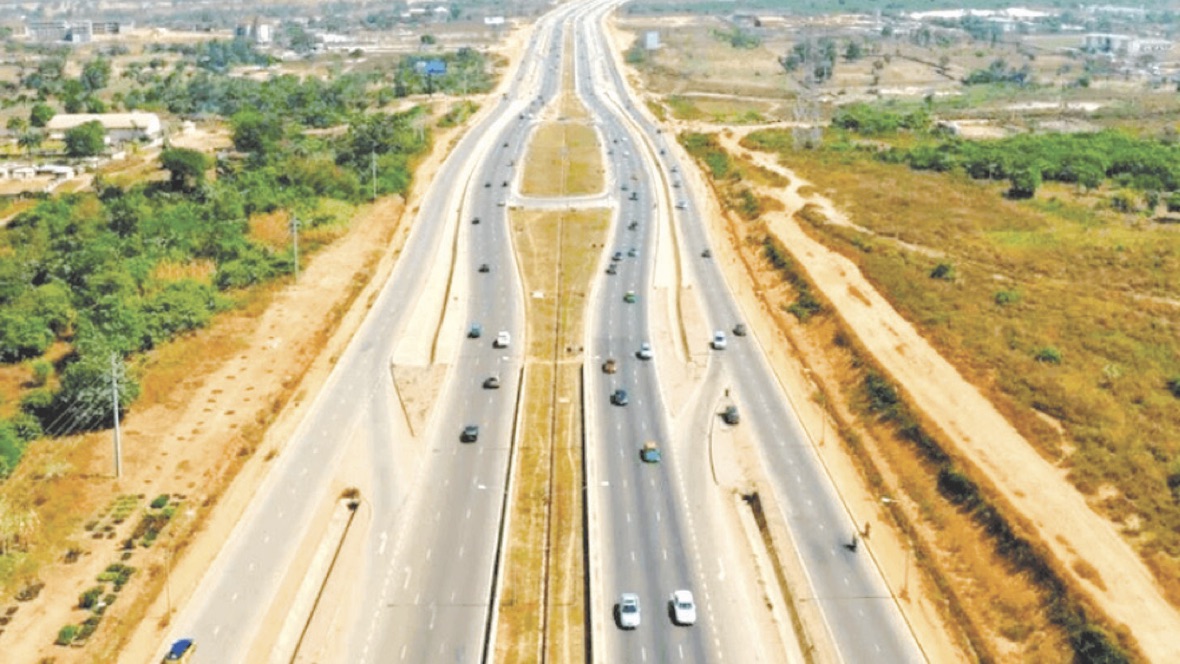
The Sokoto–Badagry Highway is set to reshape Nigeria’s economic landscape as the Federal Government pushes forward with construction. The 1,068-kilometre super highway forms a major part of President Bola Tinubu’s infrastructure agenda.
Officials say the project will go beyond road construction. It will create a powerful economic corridor that improves trade, mobility, and regional integration across the country.
Government Highlights Economic Impact
The Minister of State for Works, Bello Goronyo, described the Sokoto–Badagry Highway as a transformative project. He spoke during an inspection of ongoing construction along the Illela–Sokoto axis.
Goronyo also launched a roadside tree-planting initiative during the visit. He explained that the project reflects the administration’s goal of building a stronger and more connected economy.
According to him, the highway represents more than infrastructure. He said it serves as a “road to prosperity” for Nigerians.
Furthermore, he stressed that the project aligns with efforts to create a productive and environmentally sustainable nation.
Strategic Link Between North and South
The Sokoto–Badagry Highway will connect Nigeria’s northern and southern regions. This link will improve the movement of goods and people across the country.
In addition, the road will connect with the Lagos–Calabar Coastal Highway. This connection will form a wider transport network across key economic zones.
As a result, businesses will benefit from faster logistics and reduced transportation costs. Security operations will also improve due to better road access.
Goronyo noted that the highway will open up opportunities for communities along the corridor. Local economies are expected to grow as trade activities increase.
Construction Progress and Features
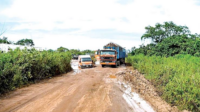
Construction work continues steadily along the Sokoto axis of the highway. About 120 kilometres are currently under development.
Out of this, approximately 20 kilometres have already been completed. This progress shows the government’s commitment to delivering the project.
Engineers have installed solar-powered streetlights along parts of the road. These lights sit on reinforced concrete pavement designed for durability.
The project also includes modern construction standards aimed at long-term performance.
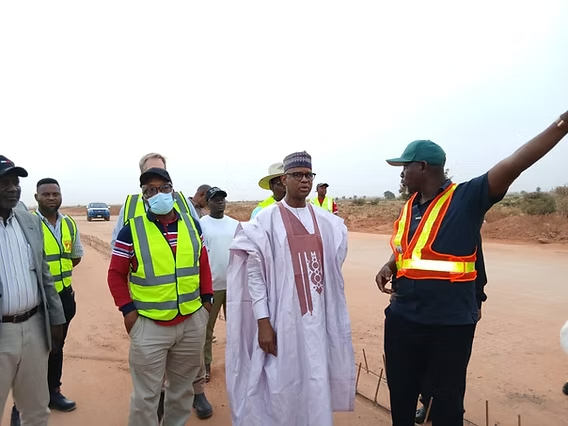
The government has introduced a tree-planting programme along the highway corridor. Goronyo described this effort as vital for sustainable development.
The trees will act as windbreakers and shelterbelts. They will help reduce desert encroachment and prevent soil erosion.
Moreover, the initiative will support climate change efforts by improving environmental conditions. It will also protect the highway infrastructure over time.
Support for Infrastructure Agenda
Goronyo praised President Bola Tinubu for prioritising infrastructure development. He said the project reflects a clear vision for national growth.
He also commended the Minister of Works, David Umahi, for his leadership. Engineers from the Federal Ministry of Works and Hitech Construction Company received recognition for their roles.
The minister urged Nigerians, especially those in the Northwest, to support the government’s Renewed Hope Agenda. He believes these projects will improve living standards nationwide.
The Sokoto–Badagry Highway stands as one of Nigeria’s most ambitious infrastructure projects. It promises to strengthen trade, improve connectivity, and boost economic growth.
As construction progresses, the highway is expected to unlock new opportunities across regions. Ultimately, it could redefine how people and goods move across Nigeria for generations to come.








Leave a comment