

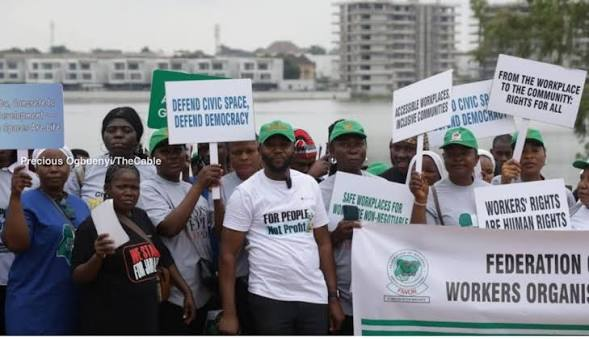
The Jabi Lake redevelopment has triggered growing concerns over the welfare of workers affected by the ongoing project in Abuja.
Rights organisations are urging authorities to introduce protective measures for individuals who rely on the area for income. They stress that development efforts must not ignore vulnerable groups.
While urban renewal improves infrastructure, it can disrupt livelihoods. Therefore, stakeholders are calling for a more balanced and inclusive approach.
Rights Groups Push for Inclusive Policies
Advocacy groups have called on the government to adopt people-focused redevelopment strategies. They believe urban renewal should include social protection measures.
These measures include proper notice before displacement and meaningful engagement with affected communities. In addition, they recommend fair compensation where necessary.
Groups also highlight the need for alternative income opportunities. This support can help displaced workers adjust to new realities.
Furthermore, they urge government agencies to maintain open communication during project planning and execution. Transparent dialogue can reduce conflict and build trust among stakeholders.
The Jabi Lake redevelopment has sparked wider discussions across Abuja. Many residents and stakeholders now question how development projects impact local livelihoods.
Jabi Lake serves as a key recreational and commercial hub. Many vendors and service providers depend on daily activities in the area.
As redevelopment continues, these workers face uncertainty about their future. This situation has raised concerns about fairness and social impact.
Experts note that urban renewal is necessary for modern cities. However, they warn that poorly managed projects can harm informal businesses.
Balancing Growth with Social Impact
Urban planners emphasise the importance of balancing infrastructure growth with social responsibility. Successful redevelopment projects must go beyond physical improvements.
They should also include policies that support economic resilience. For example, relocation plans can help affected workers continue their businesses elsewhere.
Skills development programs can also provide new employment opportunities. These strategies reduce the negative effects of displacement.
Moreover, inclusive planning helps governments achieve long-term development goals. It ensures that economic benefits reach a wider population.
Implications for Urban Planning in Nigeria
The situation at Jabi Lake highlights the need for people-centered urban planning. Authorities must consider both economic growth and social equity.
As Nigerian cities expand, redevelopment projects will become more frequent. This makes it essential to adopt sustainable and inclusive planning frameworks.
Such frameworks should combine environmental improvements with community welfare. They should also promote investment while protecting local livelihoods.
For the real estate sector, this balance is critical. Investors prefer stable environments where development does not create social tension.
The Jabi Lake redevelopment has brought attention to the human impact of urban renewal projects. While infrastructure upgrades remain important, protecting livelihoods is equally vital.
Rights groups continue to push for inclusive policies that support affected workers. Their calls reflect a broader demand for fair and sustainable development practices.
Moving forward, authorities must ensure that redevelopment projects benefit both investors and local communities. A balanced approach will strengthen trust and promote long-term urban growth.









Leave a comment