

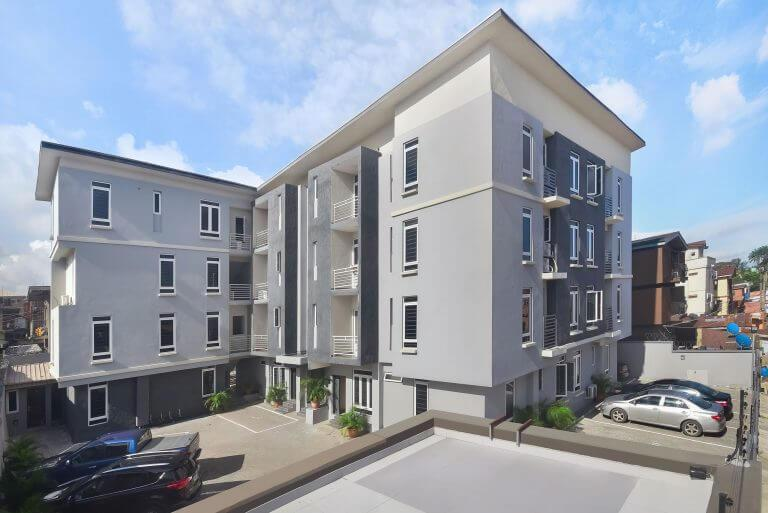
Cooperative Developers in Lagos: How Staff Groups Are Building Luxury Estates.
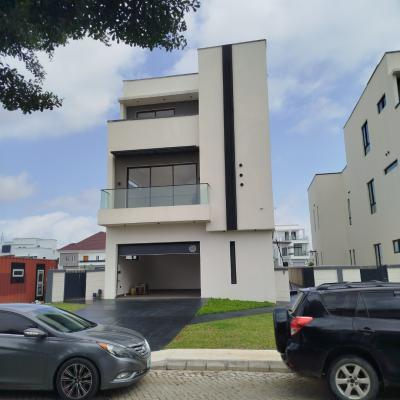
Interestingly, Cooperative developers in Lagos are reshaping Nigeria’s real estate scene. From Eko Atlantic to Lekki, see how employee groups are building luxury homes and affordable housing.
Cooperative developers in Lagos are quietly transforming how Nigerians buy and build homes. Traditionally seen as simple savings clubs, employee-backed cooperatives, especially those tied to multinational oil companies,have evolved into serious property developers. These groups now pool millions of naira from members to fund residential estates, luxury apartments, and mixed-use towers. With Nigeria facing a housing deficit exceeding 17 million units, cooperative-led housing is no longer a niche experiment. It is becoming a critical pillar of the national housing supply chain.
From thrift societies to real estate powerhouses
For decades, cooperative real estate developers Nigeria operated quietly. Employees contributed monthly. Loans were given. Interest was shared. However, somewhere in the early 2000s, a shift occurred. Cooperatives like Chevron Employees Multipurpose Cooperative Society (CEMCS) realized something: instead of lending money to members for rent, why not build the homes themselves?
That decision changed everything. Today, staff housing cooperatives Lagos are responsible for some of the most recognizable residential addresses in the city—from Nicon Town Estate in Lekki to Oyster Towers in Eko Atlantic.
Chevron CEMCS: The pioneer that set the standard
CEMCS didn’t start as a developer. But in 2001, the cooperative acquired majority ownership of Nicon Town Estate in Ikate, Lekki, following Nicon Lekki Limited’s divestment. The estate spans 57 hectares along the Lekki-Epe Expressway. By 2007, CEMCS had fully developed and delivered it.
That success bred confidence. Next came Melrose Park Estate, a 14-hectare residential community in the Lekki corridor. More recently, CEMCS partnered with Metrospeed Property Development Limited to co-develop Metro Smart City off Freedom Way in Lekki Phase 1—a project that signals a move toward smart, integrated urban living.
Major CEMCS projects include:
- Nicon Town Estate (57 hectares, completed 2007)
- Melrose Park Estate (Lekki corridor)
- Metro Smart City (Lekki Phase 1, partnership with Metrospeed)
Shell COOPLAG: Luxury waterfront and urban sophistication
The Shell Lagos Staff Cooperative (COOPLAG) has taken a different path. Rather than mass-market estates, COOPLAG leans into premium addresses.
READ ALSO: https://bravenigerians.com/2026/04/19/how-nigerias-rental-crisis-is-forging-a-smarter-real-estate-market/
The Autograph in Ikoyi set the tone—luxury apartments in one of Lagos’ most expensive postal codes. Then came COOPLAG Gardens along Orchid Road in Lekki, featuring five-bedroom detached and semi-detached duplexes. For urban professionals, Oakside Mews in Yaba GRA delivered 35 well-designed two- and three-bedroom apartments.
But the crown jewel arrived in March 2026: Oyster Towers, a waterfront development in Eko Atlantic City developed in partnership with Veritasi Homes. This project proves that cooperative developers in Lagos can compete with commercial real estate firms at the highest level.
COOPLAG highlights:
- Oyster Towers (Eko Atlantic, luxury waterfront)
- The Autograph (Ikoyi)
- COOPLAG Gardens (Lekki duplexes)
- Oakside Mews (Yaba GRA)
CoopEast and EMCOOP: Collaboration in Ibeju-Lekki
Not all cooperative action stays on the mainland or Lekki Phase 1. The Shell East Staff Investment Cooperative Society (CoopEast), serving Niger Delta employees, teamed up with ExxonMobil Staff Cooperative Multipurpose Society (EMCOOP) to develop CoopEast Beach Resort Estate in Ibeju-Lekki. Brains and Hammers delivered the project, which broke ground in August 2019 and was handed over in June 2022.
EMCOOP also developed Chaplin Court Estate on Ogombo Road in Ajah—a low-density community allowing only single-family homes per plot. It is an intentional design for privacy seekers.
TotalEnergies TEHCOOP: The $150 million green statement
TEHCOOP is newer but already ambitious. Its flagship project, Louisville in Eko Atlantic City, carries a $150 million price tag. The mixed-use development includes 157 residential apartments in Phase 1, plus retail, hospitality, entertainment, sports, and wellness facilities. Crucially, Louisville earned dual EDGE certification from the IFC for sustainability. This is the future of cooperative-led housing Nigeria: green, mixed-use, and globally competitive.
Affordable housing: NSCDC and Eko Akete
Not every cooperative targets luxury buyers. The Lagos NSCDC Multipurpose Cooperative Society focuses on public sector workers. Its cooperative estate in Agbowa, Ikosi-Ejirin, offers 300 units of one- and two-bedroom homes with a flexible five-year repayment plan funded by Youniverse Properties.
Meanwhile, Eko Akete Cooperative Multipurpose Society—one of Lagos’ oldest cooperatives, established in 1962—delivered the Oluwole Ogunlolu Housing Estate in Ikotun. Twenty-eight units of two-bedroom flats were commissioned in July 2025. This is cooperative housing for middle-income earners on the mainland.
Why cooperatives are pouring money into real estate
Cooperative developers in Lagos are not acting on sentiment. There are hard financial reasons:
Inflation hedge. Nigeria’s economy is volatile. Real estate preserves value better than cash savings.
Stable returns. Rental income and capital appreciation deliver predictable gains redistributed to members.
Massive demand. With a housing deficit above 17 million units, demand consistently outstrips supply.
Collective wealth building. Members own property more easily, access better living environments, and share investment gains.
Employer backing. Multinational oil staff bring structured financing, higher contribution pools, and professional execution.
Emerging trends among cooperative developers
Look closely, and patterns emerge. Cooperative real estate developers Nigeria are:
- Shifting into luxury developments (Ikoyi, Eko Atlantic)
- Expanding into emerging corridors (Ibeju-Lekki, Ajah)
- Forming partnerships with private developers
- Adopting green building standards
- Moving toward mixed-use urban projects
Real challenges remain
Despite the momentum, staff housing cooperatives Lagos face real obstacles. Construction costs have soared. Land acquisition remains legally complex. Regulatory approvals take months or years. Some cooperatives struggle with project delays and internal management inefficiencies. Not every society runs like CEMCS or COOPLAG.
KEY HIGHLIGHTS
- CEMCS pioneered cooperative real estate with Nicon Town Estate (57 hectares, delivered 2007)
- COOPLAG’s Oyster Towers in Eko Atlantic proves cooperatives can compete at luxury level
- TEHCOOP’s Louisville project is a $150 million, dual EDGE-certified mixed-use development
- NSCDC cooperative offers 300 affordable homes with five-year repayment plans for public servants
- Nigeria’s 17-million-unit housing deficit makes cooperative-led housing a critical supply channel
CONCLUSION
Cooperative developers in Lagos have moved from the margins to the mainstream. They are no longer just savings and loan societies. Today, these employee-backed groups build waterfront towers in Eko Atlantic, master-planned estates in Lekki, and affordable flats in Agbowa and Ikotun. They expand housing supply, democratize property ownership, and build long-term wealth for ordinary salaried workers—not just billionaires.
As Lagos continues its rapid urban expansion, cooperative-led housing will likely play an even larger role. The quiet rise is over. These developers are now impossible to ignore.
Read Also: Tech Adoption in Nigeria’s Property Market
The 500 Vacancies Problem: Nigeria Doesn’t Just Need Training, It Needs Time
External Source: Nigeria’s housing deficit data – World Bank / Nigeria Housing Observatory










Leave a comment