

By Chibuzor Alli
Facility targets 1.3 million beneficiaries, with plans to cut emissions by 4.5 million tonnes
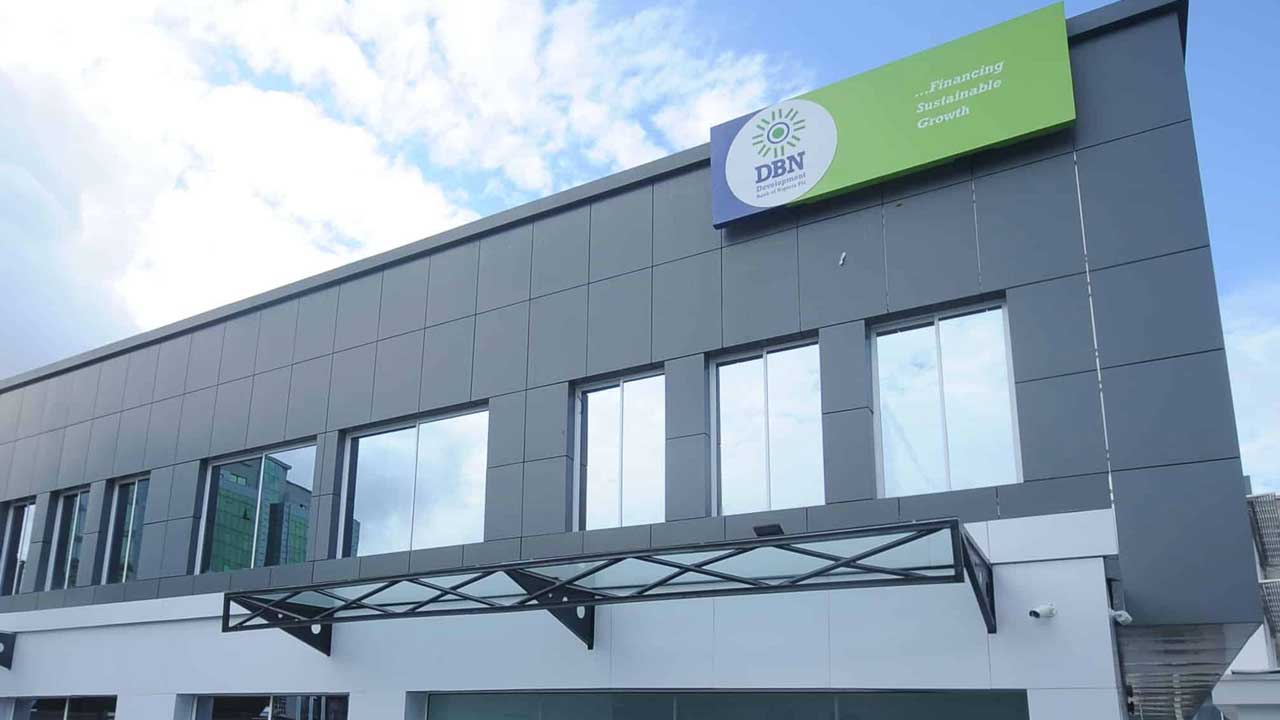
The Development Bank of Nigeria (DBN) has launched a $275m climate finance programme to help small businesses adopt renewable energy, strengthen agricultural resilience and reduce their exposure to climate-related risks.
The initiative, known as the DBN Enterprise Lending for Transition and Adaptation Programme, is designed to expand access to affordable, long-term financing for micro, small and medium-sized enterprises (MSMEs) seeking to invest in low-carbon technologies and climate-resilient operations.
Unveiled on the sidelines of the 31st United Nations Climate Change Conference in Türkiye, the programme is expected to mobilise $275m, including a $100m contribution from the Green Climate Fund.
The facility is projected to benefit approximately 1.3 million people and support an estimated reduction of 4.5 million tonnes of greenhouse gas emissions, measured in carbon dioxide equivalent.
Speaking at the launch on Friday, DBN Managing Director and Chief Executive Officer, Tony Okpanachi, said the programme would extend the bank’s financing mandate to address the growing impact of climate change on Nigerian businesses.
He explained that unpredictable weather, rising energy costs and disruptions to production and supply chains were already affecting enterprises, making climate adaptation and cleaner energy investments increasingly important.
“Ladies and gentlemen, with a target size of $275 million, Delta will expand assets to finance for Nigerian MSMEs, investing in clean energy and climate resilient agriculture.
“In practical terms, this could mean enabling a full processor to replace costly diesel generation with solar power. It could mean helping an agricultural enterprise invest in efficient irrigation to manage increasingly unpredictable rainfall. Across thousands of businesses, investments such as this have the potential to translate climate finance into greater resilience, stronger productivity, and more sustainable growth.
“Since DBN was established in 2017, our mandate has been very, very clear to address Nigeria’s MSMEs financing gap, challenging capital for productive and underserved enterprises. Today, we are extending that mandate to one of the final challenges of our time, and that is in the area of climate change.
“For Nigerian businesses, climate change is not a distant mystery. It is already being felt through more unpredictable weather, pressure on Nigerian production and supply chains, and the rising cost of energy. But the transition also presents an opportunity. Businesses can invest in cleaner and more efficient energy, strengthen the resilience of agricultural production, reduce operating costs, and become more competitive.”
Okpanachi said the facility would combine lending, risk-sharing arrangements and technical assistance to encourage financial institutions to support climate-related investments that might otherwise struggle to attract funding.
Representing the Minister of Finance and Coordinating Minister of the Economy, Taiwo Oyedele, the Deputy Director, IERD, at the Federal Ministry of Finance, Abubakar Matazu, said Nigeria needed substantial private-sector investment to finance its climate transition.
He noted that public resources alone would not be sufficient, making concessional financing, guarantees and private capital essential to expanding climate investments.
Matazu said the Federal Government was committed to creating the fiscal, policy and institutional conditions needed to mobilise climate finance and improve access to funding for businesses.
“The Delta Programme, valued at $275 million, aims to mobilise climate finance to expand access to affordable, long-term financing for MSMEs, supporting their transition to low-carbon operations and climate-resilient agriculture.”
Also speaking, the Head of Climate Finance at the National Council on Climate Change, Benny Ejiofor, said the programme would help make climate financing more accessible to smaller enterprises rather than concentrating funding opportunities among large corporations.
He urged financial institutions to expand green lending and encouraged MSMEs to integrate climate considerations into their business plans.
He said, “Today is not just another launch. Today we are opening a new door of opportunity for thousands of small businesses that power our economy. We all know that MSMEs are the backbone of Nigeria.”
The Director of Climate Change, Rural Development and Infrastructure Division at GIZ, Alexander Haack, said the organisation would provide technical assistance alongside the financing programme.
He explained that the support would include building the capacity of businesses and financial institutions to develop viable, bankable climate projects.
The programme is expected to support investments in areas such as solar energy, efficient irrigation and climate-resilient agriculture, helping Nigerian businesses improve productivity while reducing their environmental impact.













Leave a comment