

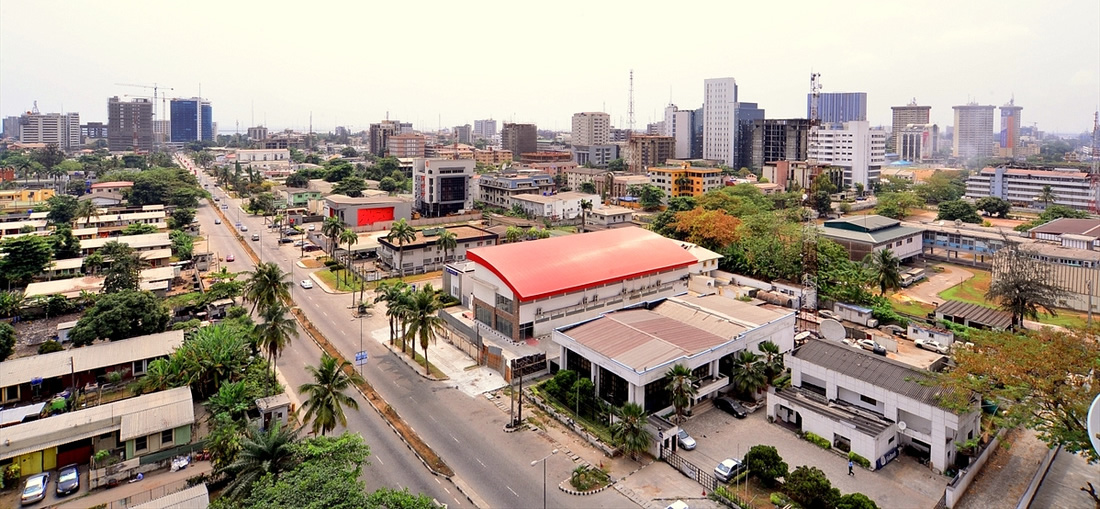
Rising rent prices in Lagos are pushing many residents out of the city centre, forcing them into long, exhausting commutes. As housing costs surge far beyond income levels, more people are struggling to balance work, transport, and basic living conditions.
Every morning before sunrise, thousands of workers begin long journeys into Lagos, often travelling from neighbouring towns just to afford rent. For many, living close to work has become unrealistic due to the steep cost of housing.
One such case is a tech professional who relocated from Lagos Island to Sango Ota after failing to secure an affordable apartment near his office. A self-contained apartment that cost ₦900,000 annually quickly doubled when extra fees were added, making it out of reach. Moving farther out was the only viable option, even though it meant spending hours in traffic daily.
This experience is becoming increasingly common across the city. Lagos, with a population estimated at over 20 million, continues to attract thousands of new residents daily. This steady influx is placing intense pressure on an already strained housing market.
Rental prices have surged sharply in recent years. Apartments that previously went for around ₦500,000 now cost as much as ₦2.5 million in some mainland areas. On the island, rents have reportedly tripled. Meanwhile, the national minimum wage stands at about ₦840,000 per year, creating a wide gap between earnings and housing costs.
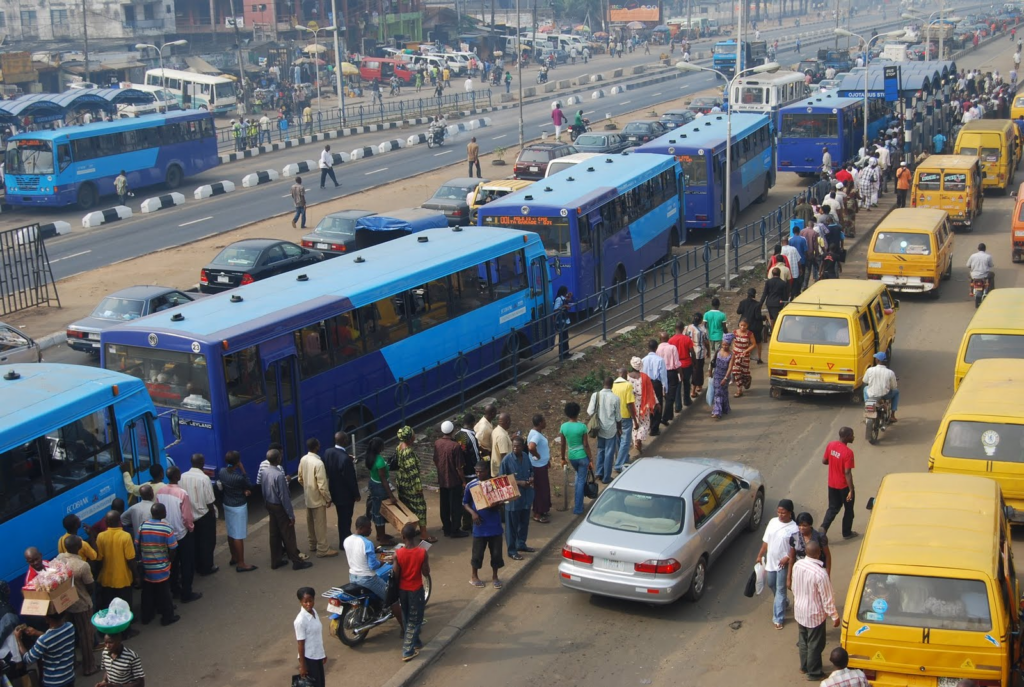
As a result, many residents are forced to share apartments or relocate to distant areas. For civil servants and mid-income earners, the situation is even more difficult. Some now spend a significant portion of their income on transport alone, while enduring daily commutes that stretch for hours.
Urban experts say the crisis goes beyond rising rents. Lagos is currently facing a housing shortage estimated at over 3 million units. The demand for housing continues to outpace supply, pushing more people into informal living arrangements or shared spaces.
Another factor worsening the situation is the shift toward luxury developments. Due to high construction costs and expensive land, developers are focusing on high-end projects that offer better returns. Affordable housing, on the other hand, is often seen as less profitable and receives less attention.
Short-term rental platforms are also playing a role. Many landlords now convert residential properties into short-let apartments, targeting tourists and business travellers. While this generates more income for property owners, it reduces the number of homes available for long-term residents, further driving up prices.
For many Lagos residents, adapting has become the only option. Some sleep in their offices during the week, while others commute between the city and surrounding areas where rent is cheaper. But even with these adjustments, the pressure continues to grow.
As Lagos continues to grow, the gap between housing supply and affordability is widening. Without major changes, more reRsidents may be forced to choose between proximity to work and a manageable cost of living.
Image credit: Fatherland Gazette









Leave a comment