

Kehinde Folorunsho
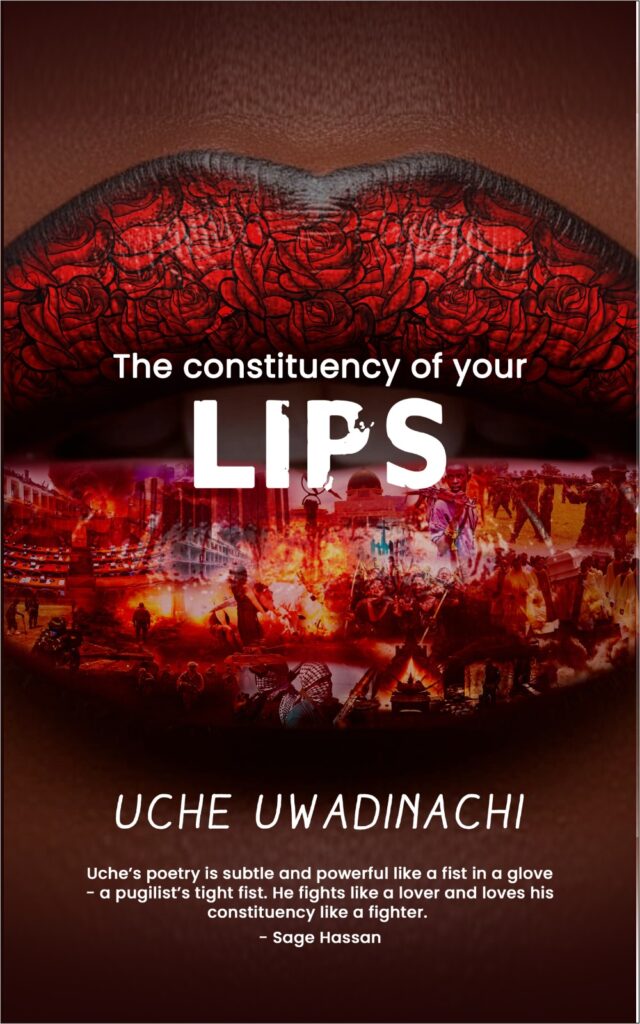
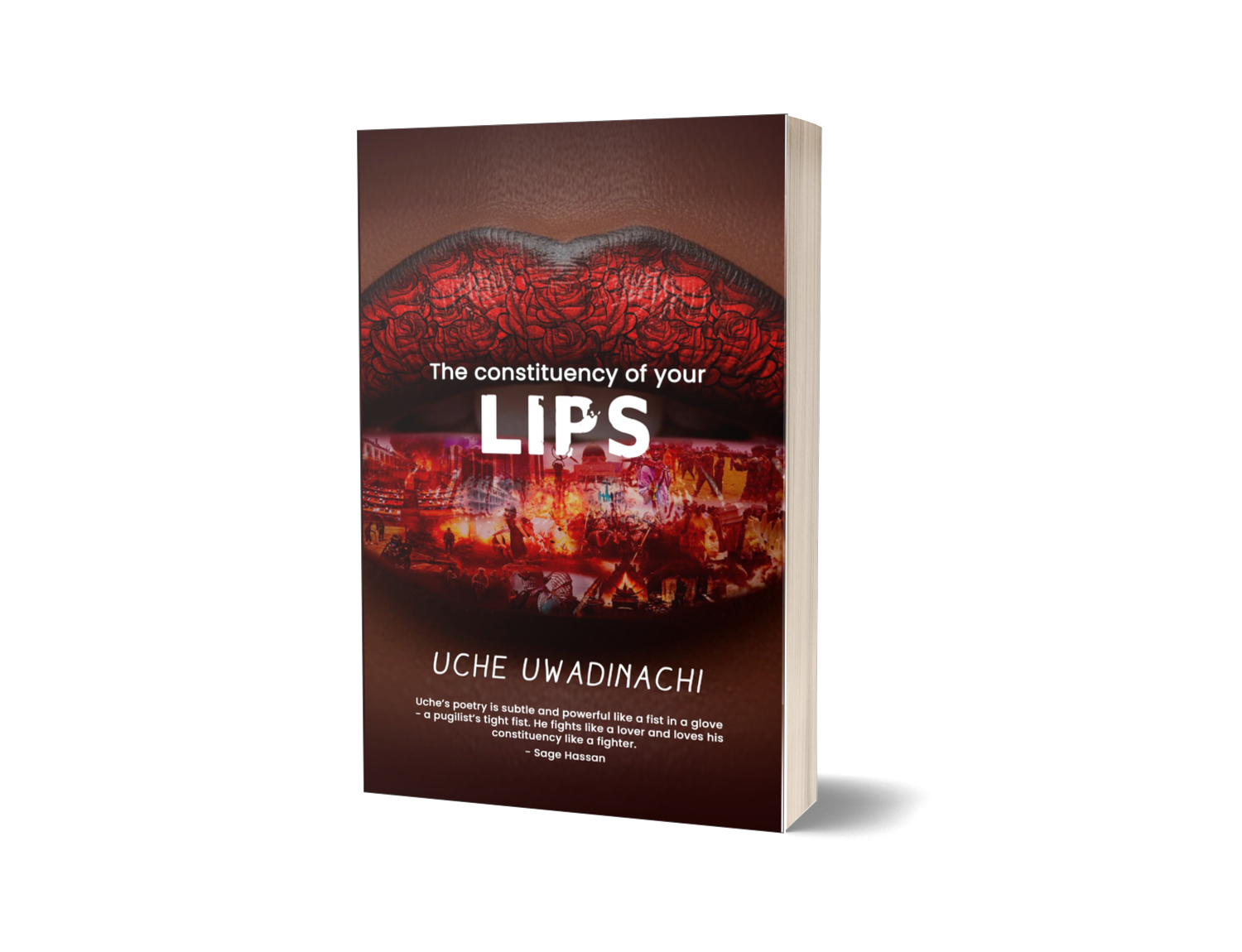
Romance in poetry tradition is still a viable subject matter with implications for different artistic attention. This could be personal, social, cultural, or even political – as many post modernist expressions tend to undertone. Consequently, love poems, to put it simply, are also reflections of the socio-cultural prejudice of their age. From Classical to Renaissance to Victorian period and so on, poets have stylised romantic poems in the fashion of the debates of their immediate world. To relate this to the contemporary world. Such a model continues to make for the component of romance poetry. It constitutes its ideology as a whole. The reason is that society may have experienced a shift in its artistic temperament, but the portrait of human emotions in their multifaceted realities is still an exclusive province of poetry. In contemporary Nigerian poetry, few works address the themes of intimacy, desire, and social consciousness with the precision and audacity of Uche Uwadinachi’s Constituency of Your Lips.
The anthology interrogates the limits between personal impulse and public discourse. It compels readers to confront how erotic desire, social expectation, and identity intersect. The writer presents eroticism not as indulgence but as an analytical lens, a pulse through which the poet critiques society while celebrating human emotion. In these poems, love becomes both subject and strategy, a means to evaluate the intricacies of modern life. The poems unfold as a dynamic meditation on love, eroticism, and human connection, laced with humour, social commentary, and imaginative lyricism. The poet transforms everyday experiences such as a ringtone, the streets of Lagos, a meal, and the absurdities of politics, into spaces of intimacy and reflection. Lovers emerge as both characters and symbols and their gestures reflect broader societal pressures. Still the poems flourish between tenderness and satire, the sensual and the civic, altogether producing a cadence that mirrors the complexity of lived experience.

A talking point of Uwadinachi’s poetry is the modernist deviation from puritanism – this is not to impose these archaic formulae but to allude to them. Traditional poetry often veils desire or imposes moral restraint. Uwadinachi discards these conventions to portray desire openly and unapologetically. Passion, longing, and devotion appear in bold, imaginative forms that connect the personal to the political. Of course, this is a broad spectrum that the reader may eventually obtain while regurgitating their reading experience. The collection challenges moralistic boundaries and demonstrates that erotic impulse can illuminate social structures and human behaviour without moral compromise. In this deviation, Uwadinachi establishes a space where modernist sensibilities redefine the limits of emotional and bodily expression.
Closely intertwined is the tension between moderation and extremism. The poems exaggerate and amplify gestures of love, sometimes bordering on the absurd, yet they retain emotional authenticity. Love in Uwadinachi’s work escalates to cosmic proportions. That is, there is a universal appeal that is impossible to sidestep about the poet-persona’s expression. This is what makes the gestures become both performative and symbolic. The extremity of expression mirrors the extremity of emotion; it invites reflection on human attachment and its boundaries. The playful excess communicates devotion as well as highlights the stakes of passion and reframes extremity as a lens to understand intimacy in the modern era.
Furthermore, the anthology demonstrates mastery of rich language and imagery. Everyday objects and moments gain layered significance. The poetry fuses sensory detail into humour in the same breath as political observation produces a striking visual and emotional landscape. The imagery employed transforms the ordinary into the extraordinary by reflecting the poet’s ability to blend realism with imaginative audacity. Each scene carries multiple registers: intimacy, social critique, and playful exaggeration. These are formulas that invite readers to inhabit the emotional and physical spaces of desire and human interaction.

Stylistically, Uwadinachi balances structural variation with a strong oral sensibility. The poems range from brief and concentrated lines to extended sequences that help to maintain a rhythmic, conversational tone. Similarly, direct address and rhetorical questions in humorous asides dominate the voice. This is what creates immediacy and intimacy. There is also the use of local idioms, cultural references, and political commentary to seamlessly produce poems both rooted in Nigerian experience and universal in its emotional resonance. The performative quality inspires readers to witness and listen; participate and merge personal reflection with broader societal observation.
While that lasts, the themes in the anthology are rich ingredients of emotional soundness. They include desire, devotion, playfulness, social critique, modernity, beauty, mortality, and fidelity. But paramountly, some of these themes stand out for their prominence and depth. Erotic desire occupies the center. It is articulated through imagination and humor as well as an ethical consciousness. It also addresses modern existence with its social absurdities; mediates intimacy and reveals the collision of personal impulse with public life. Power and intimacy intersect in the poems, showing devotion and ethical consideration as inseparable from social awareness. These themes, together with the other threads of beauty, mortality, and playfulness, construct a portrait of modern Nigerian love that is socially aware, historically grounded, and imaginatively rich.
The anthology maintains a tone of audacious playfulness coupled with sincerity. While the mood also shifts fluidly between delight and tension, there is a blend of humour and reflection. The poet’s voice explores extremes without losing control. Uwadinachi is able to have merged grandiose expression with intimate insight. Thus, the reader experiences both laughter and reflection, desire and awareness, intimacy and critique. This dynamic tension characterises the collection, and further demonstrates Uwadinachi’s ability to inhabit liminal spaces where humour, love, and cultural consciousness coexist.
Constituency of Your Lips asserts Uwadinachi’s prowess in contemporary African poetry through his unabashed eroticism. It invents imagery and socially attuned humor. The collection subverts moralistic constraints to celebrate extremity in human emotion and examines keenly the intersections of desire and power within a given societal culture. It exemplifies modernist deviation while remaining deeply rooted in Nigerian life: it produces a poetry that is daring, reflective, and unforgettable. To this end, Uwadinachi transforms the erotic into a tool for understanding human experience by revealing that desire, intellect, and artistry can coexist in fearless, imaginative harmony.













Leave a comment