

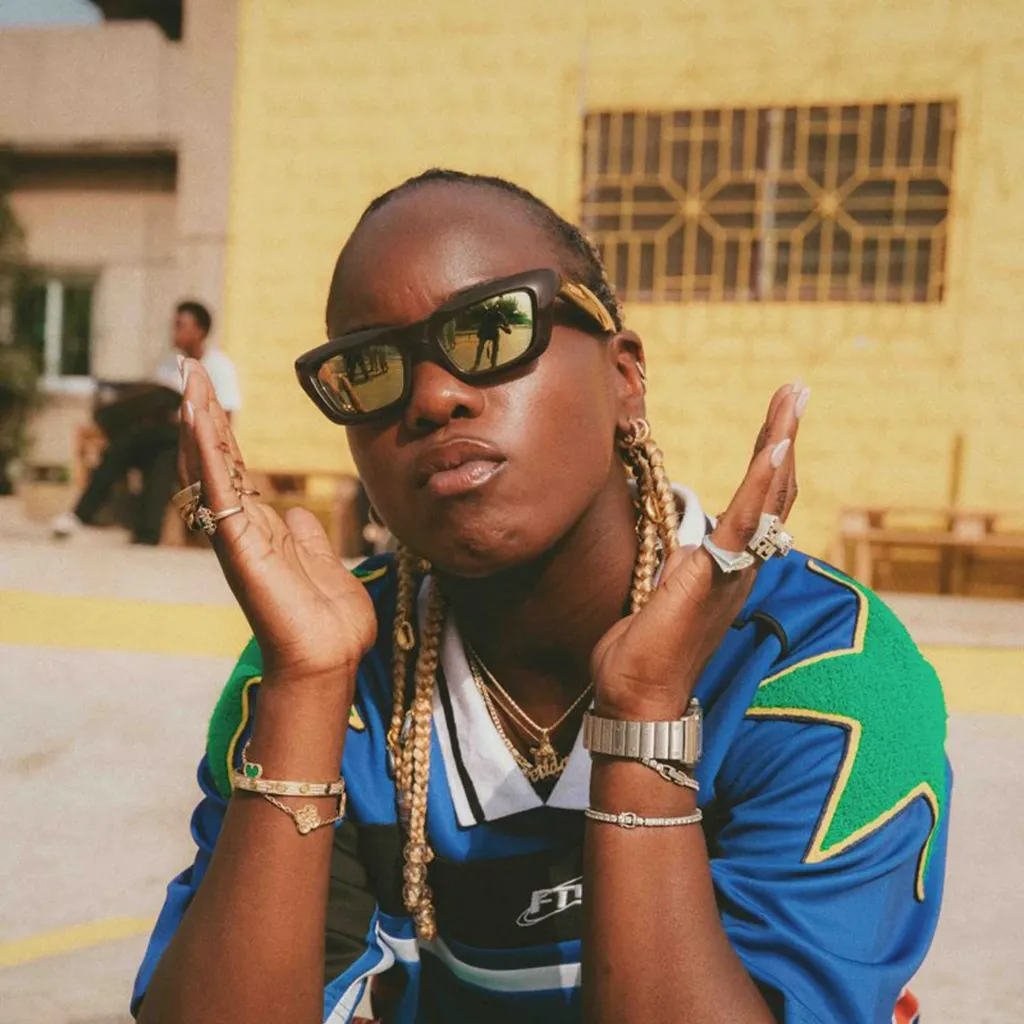
What started as a simple observation at a fashion event has grown into one of Africa’s most important streetwear platforms. Ireti Zaccheaus has spent the last eight years building Street Souk into the centre of a thriving youth-driven fashion scene.
In 2018, Nigerian streetwear lacked structure. Brands existed, but they operated in isolation, relying on small networks and hoping for visibility. There was no central platform bringing the culture together or giving it legitimacy.
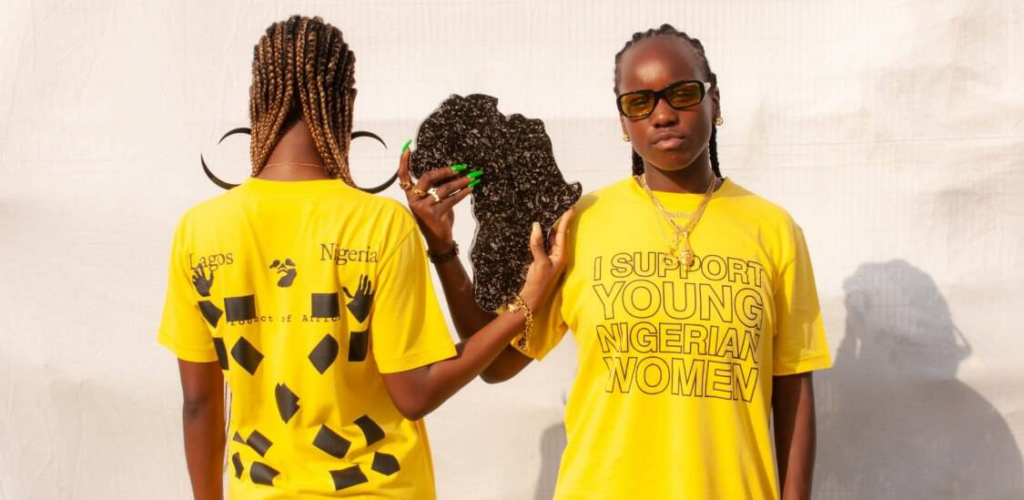
At just 18, Ireti Zaccheaus saw the gap and moved to fill it. Inspired by her mother’s fashion events but noticing they didn’t reflect her generation’s style, she imagined a space dedicated to streetwear brands that felt current and culturally relevant.
That idea became Street Souk.
Today, the platform receives over a thousand applications from brands every year and has hosted global names while expanding into cities like Lagos, London, Dubai, Cape Town, Los Angeles, Abuja, and Accra. What began as an experiment has evolved into a global-facing ecosystem for African streetwear.
Central to Street Souk’s growth is its strict curation process. Ireti personally reviews every application, focusing less on popularity and more on intent and originality. For her, the goal is to ensure that every brand represents the best of African creativity, not just in design but in commitment.
The platform reflects the diversity of Nigerian streetwear itself. From traditional textiles like aso oke and adire to influences from hip-hop and skate culture, the scene remains fluid and experimental. Ireti describes it as “raw” — still forming, still undefined, and open to interpretation.
Authenticity is another key theme. As global brands increasingly borrow from African aesthetics, Ireti believes true African streetwear stands out through its boldness, craftsmanship, and cultural context. It is not just about how pieces look, but how they are made and what they represent.
Despite operating in a male-dominated space, she has also made a conscious effort to amplify female-led brands, using Street Souk as a platform to create more opportunities and visibility for women in the industry.
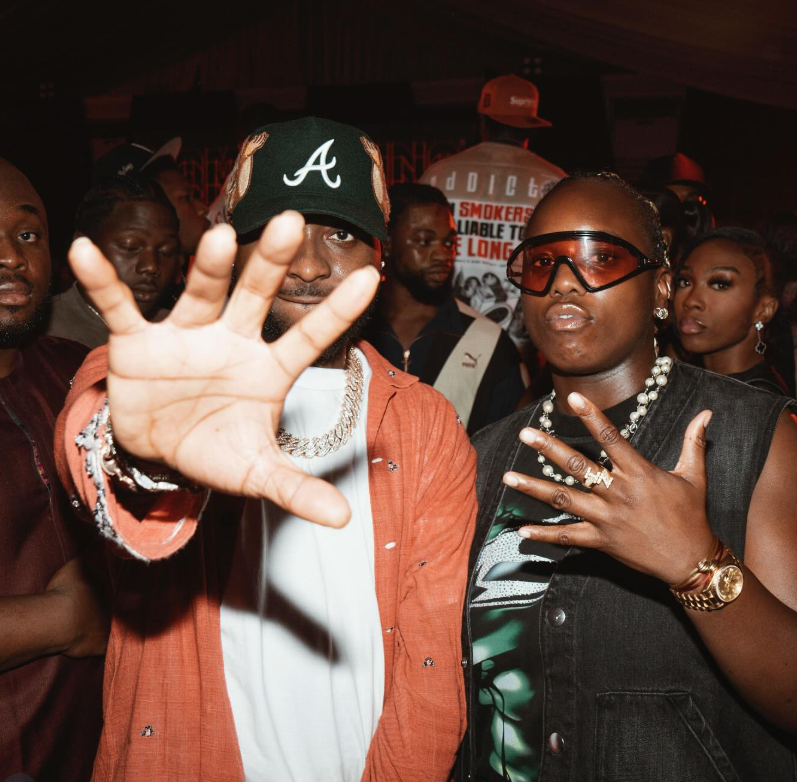
Beyond Lagos, Street Souk’s global expansion has followed a clear philosophy: export the culture without diluting it. Rather than adapting to new markets, the brand brings the Lagos experience to every city it enters, maintaining its identity across borders.
While the platform has grown into a major cultural event with thousands of attendees, commerce remains at its core. Street Souk is designed first as a marketplace where brands can sell and scale, not just gain exposure.
Looking ahead, Ireti’s ambition is to build something even larger, potentially surpassing global conventions like ComplexCon. However, she acknowledges that infrastructure, logistics, and economic realities in Nigeria remain significant barriers. From import challenges to limited large-scale venues and sponsorship gaps, scaling to that level will require broader systemic support.
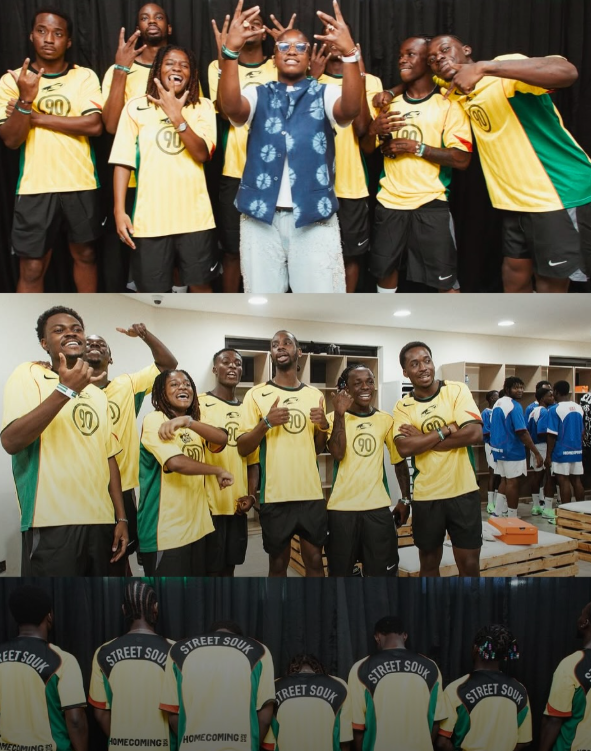
Still, the opportunity is clear. With a young population and growing digital presence, Africa is positioned to shape the future of global streetwear.
For emerging designers, her advice is focused and practical: build a strong signature product, develop a clear identity, and avoid imitation. Success, she argues, comes from consistency and storytelling, not trying to do everything at once.
Street Souk’s next phase includes deeper expansion. Plans are underway for an e-commerce platform, a physical retail presence, monthly community-driven activations, university tours, and more international pop-ups. Each move is designed to strengthen its role as both a marketplace and a cultural engine.
image credit: Street souk










Leave a comment